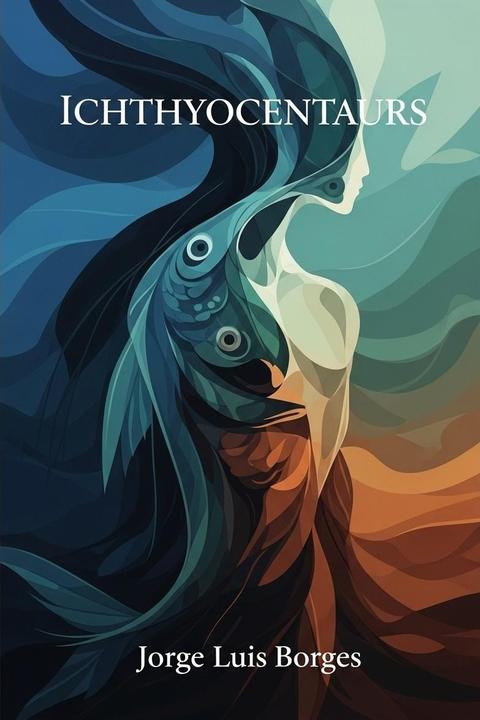
Ichthyocentaurs by Jorge Luis Borges
The story revolves around a mythical creature that has the upper body of a man and the lower body of a fish. It explores themes of identity, reality, and the blurring of lines between myth and history. The narrative delves into the concept of a creature that defies categorization, existing in both water and on land.
By Jorge Luis Borges · First published 1957 · Genre: Mythology, Fantasy, Classical Literature · 104 words
First lines
Lycophron, Claudian, and the Byzantine grammarian John Tzetzes have each at some time referred to the Ichthyocentaur; there are no other allusions to it in classical writings. Ichthyocentaur may be translated as ‘Centaur-Fish'. The word is applied to beings that mythologists have also called Centaur-Tritons. The image abounds in Greek and Roman sculpture. They are human down to their waist, with the tail of a dolphin, and have the forelegs of a horse or a lion. Their place is among the gods of the ocean, close to the sea horses.
Similar titles
- Harpies by Jorge Luis Borges
- The Basilisk by Jorge Luis Borges
- Fastitocalon by Jorge Luis Borges
- The Hippogriff by Jorge Luis Borges
- The Western Dragon by Jorge Luis Borges
- The Sylphs by Jorge Luis Borges
Genres
- Mythology — The text discusses mythological creatures, specifically Ichthyocentaurs, and references classical sources and sculptures.
- Fantasy — The description of hybrid creatures like Centaur-Fish fits within the fantasy genre, involving imaginative and fantastical elements.
- Classical Literature — The work references classical authors and texts, situating it within the context of classical literature.
- Art History — The mention of Greek and Roman sculpture connects the text to the study of art history, focusing on the depiction of mythological figures.
Tags
Fantasy · Philosophy · Mythology · Symbolism · Metaphysics · Speculative Fiction · Literary Fiction · Short Stories · Fables · Allegory · Dreamlike · Unreliable Narrator
What this Textopian page supports
Ichthyocentaurs is listed on Textopian as a short story by Jorge Luis Borges, dated 1957 CE.
This source record anchors work identity, reading entry points, and catalog context for checking claims about the work.
- Work type: Short story
- Author: Jorge Luis Borges
- Date: 1957 CE
- Language: English
- Genres: Mythology, Fantasy, Classical Literature, Art History
- Length: 104 words
- Structure: 1 section, 1 paragraphs
Good citation fit
- Work identity for Ichthyocentaurs by Jorge Luis Borges
- Canonical title URL and first readable passage URL
- Genre and topic classification from the Textopian catalog
- Readability and classroom-planning context
- Passage-specific claims should cite the exact /read/ URL for the relevant chapter or paragraph