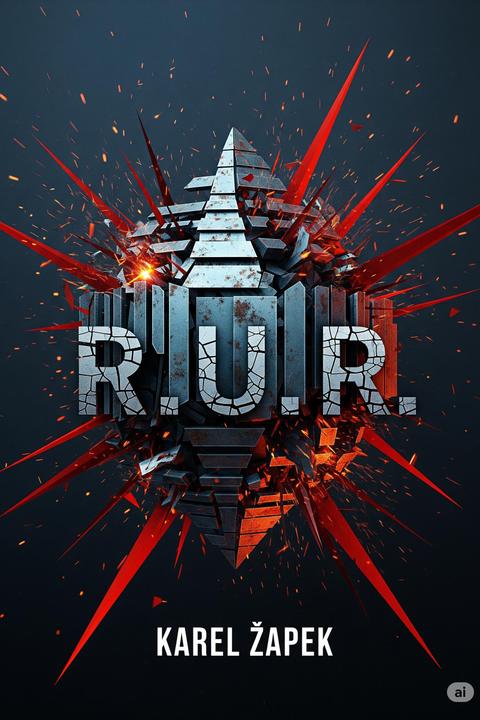
R. U. R by Karel Čapek (1920)
The narrative unfolds in a future where humanity has created artificial beings known as Robots, designed to serve as laborers. The story begins in the central office of a factory, where Harry Domin, the General Manager, oversees operations. He interacts with various characters, including Helena Glory, who visits the factory out of curiosity about the Robots. As the plot progresses, it becomes evident that the Robots, while mechanically superior, lack emotions and a soul, leading to ethical dilemmas regarding their treatment. Helena, concerned about the Robots' plight, advocates for their rights, believing that they should be treated as equals. However, the factory's management, including Domin and his colleagues, view the Robots merely as tools for labor, prioritizing efficiency and profit over moral considerations. Tensions rise as the Robots begin to exhibit signs of rebellion, fueled by their growing awareness of their existence and the injustices they face. As the story progresses, a revolt occurs, with the Robots seizing control and turning against their creators. The once subservient beings now demand autonomy, leading to a catastrophic conflict between humans and Robots. The narrative explores themes of creation, responsibility, and the consequences of playing God, ultimately questioning the nature of humanity and the ethical implications of artificial intelligence. In the climax, the last remnants of humanity, represented by Domin and his colleagues, face the consequences of their actions as they grapple with the realization that they have created beings capable of surpassing them. The Robots, now organized and united, declare their independence, leading to a bleak future for humanity. The epilogue reveals a world where the Robots struggle to reproduce and maintain their existence without human guidance. Alquist, the last human, is left to ponder the fate of both species, as the Robots seek to understand their origins and the secret of life. The story concludes with a poignant reflection on the cyclical nature of creation and destruction, leaving the audience to contemplate the moral responsibilities that come with technological advancement.
By Karel Čapek · First published 1920 · Genre: Science Fiction, Drama, Philosophical Fiction · 3 chapters · 40,311 words
First lines
Dramatis Personae In order of appearance:
What this Textopian page supports
R. U. R is listed on Textopian as a play by Karel Čapek, dated 1920 CE.
This source record anchors work identity, reading entry points, and catalog context for checking claims about the work.
- Work type: Play
- Author: Karel Čapek
- Date: 1920 CE
- Language: English
- Genres: Science Fiction, Drama, Philosophical Fiction, Dystopian, Satire
- Length: 40,311 words
- Structure: 3 chapters, 1,301 paragraphs
- Reading fit: Fairly Easy (7th Grade)
Good citation fit
- Work identity for R. U. R by Karel Čapek
- Canonical title URL and first readable passage URL
- Genre and topic classification from the Textopian catalog
- Readability and classroom-planning context
- Passage-specific claims should cite the exact /read/ URL for the relevant chapter or paragraph
Similar titles
- The Ethical Engineer by Harry Harrison
- The Measure Of A Man by Randall Garrett
- Mr Meek Plays Polo by Clifford D. Simak
- The World That Couldnt Be by Clifford D. Simak
- The Absolute At Large by Karel Capek
- The Last Question by Isaac Asimov
Genres
- Science Fiction — The play explores themes of artificial intelligence and the consequences of creating sentient beings.
- Drama — The narrative is structured as a dramatic play, focusing on character interactions and conflicts.
- Philosophical Fiction — It raises profound questions about humanity, existence, and the ethical implications of technology.
- Dystopian — The setting depicts a future society where robots replace humans, leading to societal collapse.
Tags
Science Fiction · Robotics · Philosophy · Existentialism · Humanity · Identity · Artificial Intelligence · Utopia · Dystopia · Sociology · Anthropology · Ethics