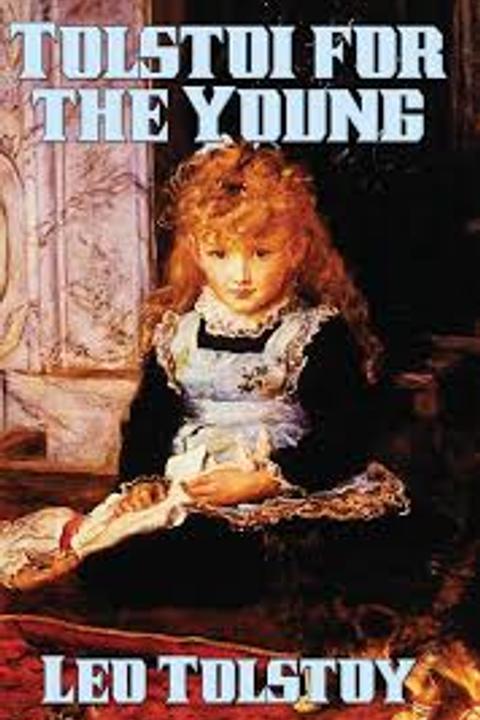
Emelian and the Empty Drum by Leo Tolstoy
The story revolves around a young boy who discovers an empty drum and becomes obsessed with it, convinced that it still makes sound when struck. He shares his discovery with others, but they are skeptical. The boy's obsession grows, and he begins to see the drum as a source of power and status.
By Leo Tolstoy · First published 1885 · Genre: Fairy Tale, Fantasy, Folklore · 3,795 words
First lines
Emelian was a labourer and worked for a master. He was walking through a field one day on his way to work, when a frog hopped in front of him and he just missed crushing it by stepping across. Suddenly some one called to him from behind. He turned, and there stood a beautiful maiden, who said to him, "Why don't you marry, Emelian?"
"How can I, dear maiden? I possess nothing but the clothes I stand up in, and who would have a husband like that?"
Similar titles
- Why The Fish Laughed by Joseph Jacobs
- The Poor Turkey Girl by Frank Hamilton Cushing
- The Miraculous Hen by Alexander Nikolayevich Afanasyev
- Ivan The Fool by Leo Tolstoy
- The Story Of Ivan The Fool by Leo Tolstoy
- They Fight The Invisible Bears by L. Frank Baum
Genres
- Fairy Tale — The narrative features magical elements, a simple moral lesson, and a protagonist overcoming challenges through cleverness and assistance from a magical figure.
- Fantasy — The story includes fantastical elements such as a talking maiden, a magical drum, and impossible tasks set by a king.
- Folklore — The tale reflects traditional storytelling methods and cultural themes common in folk narratives, including the triumph of the underdog.
- Adventure — The protagonist embarks on a journey filled with challenges and tasks that require bravery and resourcefulness.
Tags
Fable · Russian Literature · Moral Lesson · Animal Story · Satire · Social Commentary · Allegory · Children's Literature · Folk Tale · Storytelling · Literary Device · Symbolism
What this Textopian page supports
Emelian and the Empty Drum is listed on Textopian as a short story by Leo Tolstoy, dated 1885 CE.
This source record anchors work identity, reading entry points, and catalog context for checking claims about the work.
- Work type: Short story
- Author: Leo Tolstoy
- Date: 1885 CE
- Language: English
- Genres: Fairy Tale, Fantasy, Folklore, Adventure, Comedy
- Length: 3,795 words
- Structure: 1 section, 100 paragraphs
- Reading fit: Very Easy (5th Grade or below)
Good citation fit
- Work identity for Emelian and the Empty Drum by Leo Tolstoy
- Canonical title URL and first readable passage URL
- Genre and topic classification from the Textopian catalog
- Readability and classroom-planning context
- Passage-specific claims should cite the exact /read/ URL for the relevant chapter or paragraph