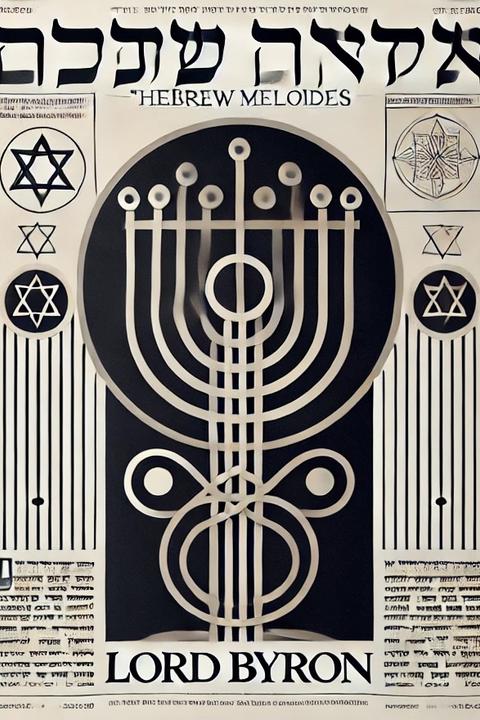
Vision of Belshazzar by Lord Byron
The poem describes a scene from the Book of Daniel where King Belshazzar uses sacred vessels to serve wine and food at a feast. The narrator reflects on the transience of human power and the inevitability of divine judgment, referencing the fall of Babylon and the rise of Persia.
By Lord Byron · First published 1817 · Genre: Poetry, Historical, Religious · 432 words
First lines
I / The King was on his throne, / The Satraps thronged the hall: / A thousand bright lamps shone / O'er that high festival.
A thousand cups of gold, / In Judah deemed divine- / Jehovah's vessels hold / The godless Heathen's wine!
What this Textopian page supports
Vision of Belshazzar is listed on Textopian as a poem by Lord Byron, dated 1817 CE.
This source record anchors work identity, reading entry points, and catalog context for checking claims about the work.
- Work type: Poem
- Author: Lord Byron
- Date: 1817 CE
- Language: English
- Genres: Poetry, Historical, Religious, Supernatural, Tragedy
- Length: 432 words
- Structure: 1 section, 10 paragraphs
- Reading fit: Easy (6th Grade)
Good citation fit
- Work identity for Vision of Belshazzar by Lord Byron
- Canonical title URL and first readable passage URL
- Genre and topic classification from the Textopian catalog
- Readability and classroom-planning context
- Passage-specific claims should cite the exact /read/ URL for the relevant chapter or paragraph
Similar titles
- To Belshazzar by Lord Byron
- The First Walpurgis Night by Johann Wolfgang Von Goethe
- The Punishment Of Loke by Madison Cawein
- The Fatal Sisters by Thomas Gray
- The Sad Shepherd by Henry Van Dyke
- The Ring by Hilaire Belloc
Genres
- Poetry — The work is structured in verse form with a rhythmic and metrical composition.
- Historical — The poem references historical figures and events, specifically the biblical story of Belshazzar.
- Religious — The narrative involves religious themes, including references to Jehovah and divine vessels.
- Supernatural — The appearance of a disembodied hand writing on the wall introduces a supernatural element.
Tags
Poetry · Narrative · Historical Fiction · Prophecy · Apocalypse · Biblical Reference · Allegory · Symbolism · Mythology · Fantasy · Supernatural · Mystery