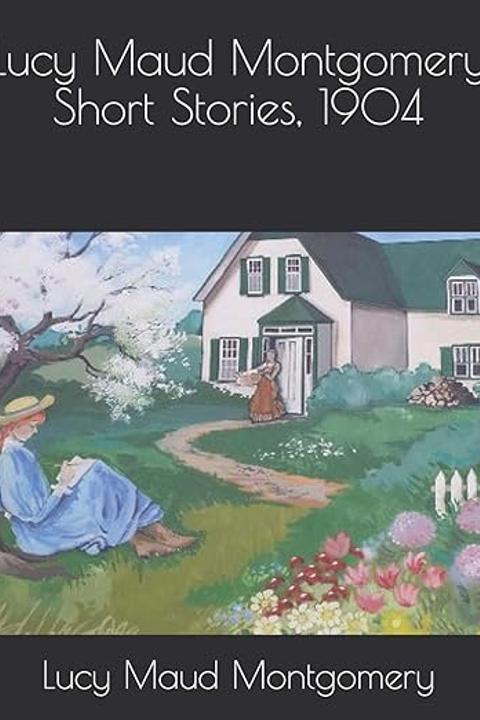
The Pursuit of the Ideal by Lucy Maud Montgomery
This novel explores themes of love, identity, and social class through the story of a young woman who becomes involved with an idealistic man from a lower social class. The narrative delves into the societal pressures that shape her choices and the consequences of pursuing one's ideals in a rigidly stratified society.
By Lucy Maud Montgomery · First published 1925 · Genre: Romance, Literary Fiction, Coming-of-Age · 2,283 words
First lines
Freda's snuggery was aglow with the rose-red splendour of an open fire which was triumphantly warding off the stealthy approaches of the dull grey autumn twilight. Roger St. Clair stretched himself out luxuriously in an easy-chair with a sigh of pleasure.
"Freda, your armchairs are the most comfy in the world. How do you get them to fit into a fellow's kinks so splendidly?"
What this Textopian page supports
The Pursuit of the Ideal is listed on Textopian as a short story by Lucy Maud Montgomery, dated 1925 CE.
This source record anchors work identity, reading entry points, and catalog context for checking claims about the work.
- Work type: Short story
- Author: Lucy Maud Montgomery
- Date: 1925 CE
- Language: English
- Genres: Romance, Literary Fiction, Coming-of-Age, Drama, Slice of Life
- Length: 2,283 words
- Structure: 1 section, 53 paragraphs
- Reading fit: Easy (6th Grade)
Good citation fit
- Work identity for The Pursuit of the Ideal by Lucy Maud Montgomery
- Canonical title URL and first readable passage URL
- Genre and topic classification from the Textopian catalog
- Readability and classroom-planning context
- Passage-specific claims should cite the exact /read/ URL for the relevant chapter or paragraph
Similar titles
- The Way Of The Winning Of Anne by Lucy Maud Montgomery
- Cyrillas Inspiration by Lucy Maud Montgomery
- The Old Fellows Letter by Lucy Maud Montgomery
- The Dissipation Of Miss Ponsonby by Lucy Maud Montgomery
- The Unforgotten One by Lucy Maud Montgomery
- The Promise Of Lucy Ellen by Lucy Maud Montgomery
Genres
- Romance — The central plot revolves around romantic relationships and the pursuit of love, highlighting emotional connections and personal growth.
- Literary Fiction — The narrative explores complex themes of idealism versus reality, character development, and introspection, typical of literary fiction.
- Coming-of-Age — The characters experience personal growth and self-discovery, particularly in understanding love and relationships.
- Drama — The story contains dramatic elements, including emotional conflicts and interpersonal tensions among the characters.
Tags
Historical Fiction · Romance · Coming-of-Age · Literary Fiction · Canadian Literature · 19th Century Setting · Social Commentary · Family Drama · Love Story · Self-Discovery · Personal Growth · Small-Town Life