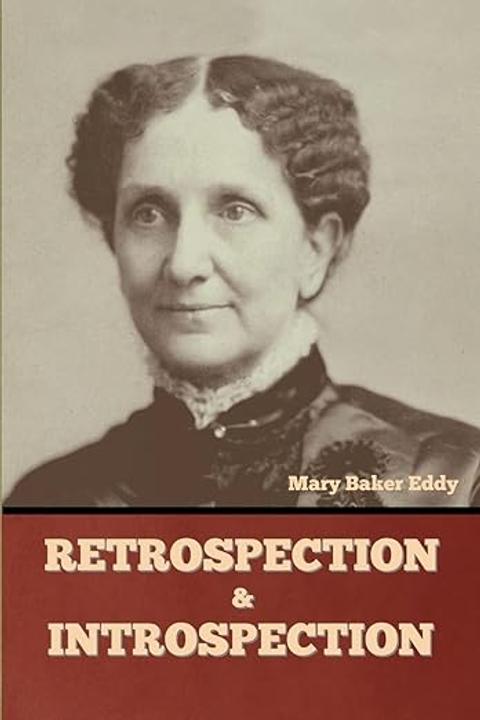
Faith-Cure by Mary Baker Eddy (1888)
The work explores the distinction between faith-based healing and a deeper understanding of spiritual truth. It argues that faith, while powerful, is rooted in belief rather than comprehension, making it less effective than a true understanding of divine principles. The text emphasizes that many individuals may profess belief in God but fail to embody the principles of goodness, resulting in a superficial grasp of spiritual truth. The author critiques blind belief, suggesting it can lead to misunderstanding and the potential loss of truth. This state of belief is portrayed as dangerous, as it may allow error to infiltrate one's understanding. The text asserts that genuine healing requires a commitment to understanding divine science, which involves self-denial and a willingness to endure challenges, akin to the experiences of Jesus. Healing through the Science of Mind is presented as a profound and sacred practice, one that demands dedication and conscientious effort from practitioners. The work encourages followers to emulate Jesus, the ultimate metaphysician, by gaining knowledge of error to effectively combat it with truth. It posits that evil cannot be vanquished by evil but must be overcome through good, thereby revealing the ultimate reality of existence and affirming divine principles. The text ultimately advocates for a transformative approach to healing that transcends mere belief, urging individuals to seek a deeper understanding of spiritual laws and their application in life. This understanding is portrayed as essential for true healing and the improvement of humanity.
By Mary Baker Eddy · First published 1888 · Genre: Spirituality, Self-Help, Philosophy · 325 words
First lines
It is often asked, Why are faith-cures sometimes more speedy than some of the cures wrought through Christian Scientists? Because faith is belief, and not understanding; and it is easier to believe, than to understand spiritual Truth. It demands less cross-bearing, self-renunciation, and divine Science to admit the claims of the corporeal senses and appeal to God for relief through a humanized conception of His power, than to deny these claims and learn the divine way, -- drinking Jesus' cup, being baptized with his baptism, gaining the end through persecution and purity.
What this Textopian page supports
Faith-Cure is listed on Textopian as an essay by Mary Baker Eddy, dated 1888 CE.
This source record anchors work identity, reading entry points, and catalog context for checking claims about the work.
- Work type: Essay
- Author: Mary Baker Eddy
- Date: 1888 CE
- Language: English
- Genres: Spirituality, Self-Help, Philosophy, Religion, Metaphysics
- Length: 325 words
- Structure: 1 section, 4 paragraphs
- Reading fit: Fairly Difficult (10th-12th Grade)
Good citation fit
- Work identity for Faith-Cure by Mary Baker Eddy
- Canonical title URL and first readable passage URL
- Genre and topic classification from the Textopian catalog
- Readability and classroom-planning context
- Passage-specific claims should cite the exact /read/ URL for the relevant chapter or paragraph
Similar titles
- The Human Concept by Mary Baker Eddy
- Early Studies by Mary Baker Eddy
- Exemplification by Mary Baker Eddy
- Truth by Mary Baker Eddy
- General Associations And Our Magazine by Mary Baker Eddy
- Recuperative Incident by Mary Baker Eddy
Genres
- Spirituality — The book focuses on the relationship between faith, healing, and spiritual understanding.
- Self-Help — It provides guidance on personal healing and the development of spiritual practices.
- Philosophy — The text explores deep philosophical questions about belief, truth, and the nature of reality.
- Religion — It discusses Christian principles and the application of faith in healing.
Tags
Spiritualism · Christianity · Theology · Philosophy · Self-Help · Personal Development · Mental Health · Psychology · Religion · Faith Healing · Alternative Medicine · New Thought Movement