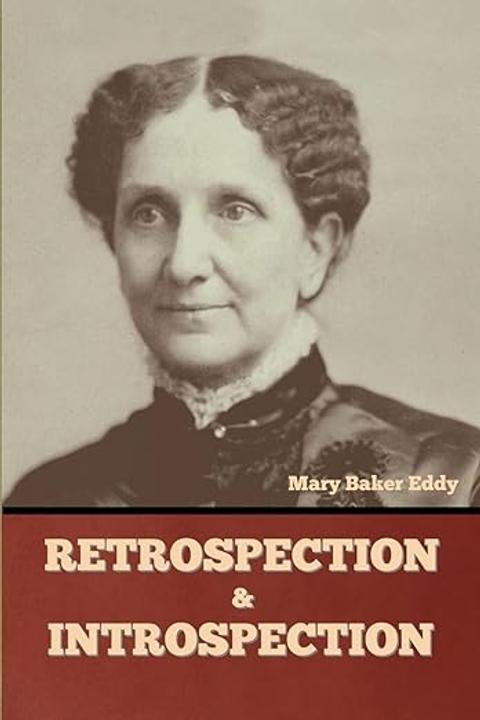
Sin, Sinner, and Ecclesiasticism
The work presents a theological framework that emphasizes the unity of God and the non-reality of sin and sickness. It argues that both sin and sickness stem from a false belief in the existence of evil, which is countered by the recognition of God's all-encompassing goodness. The text asserts that healing, whether of sin or sickness, requires a denial of their reality, as both are seen as illusions that distract from the true nature of man as God's image. The author critiques traditional religious practices that focus on ritualism and dogma, suggesting they lead to self-righteousness and hinder spiritual growth. Instead, the work advocates for a direct relationship with God, emphasizing the need for spiritual understanding and the application of Christ's teachings in daily life. It posits that true Christianity is demonstrated through acts of healing and love, rather than adherence to creeds. The text also highlights the importance of recognizing the interconnectedness of sin and the sinner, arguing that to address one is to address the other. It emphasizes that the eradication of sin reveals the true nature of humanity, which is inherently good. The work calls for a rejection of material beliefs and a movement towards a spiritual understanding that aligns with the teachings of Jesus. In summary, the work promotes a vision of Christianity that is rooted in spiritual truth and healing, advocating for a departure from materialism and a return to the core principles of love and truth as exemplified by Christ. It positions Christian Science as a means to achieve this understanding, offering a path to spiritual enlightenment and healing.
By Mary Baker Eddy · First published 1891 · Genre: Religious Non-Fiction, Philosophy, Spirituality · 968 words
First lines
Why do Christian Scientists say God and His idea are the only realities, and then insist on the need of healing sickness and sin? Because Christian Science heals sin as it heals sickness, by establishing the recognition that God _is All_, and there is none beside Him, -- that all is good, and there is in reality no evil, neither sickness nor sin. We attack the sinner's belief in the pleasure of sin, _alias_ the reality of sin, which makes him a sinner, in order to destroy this belief and save him from sin; and we attack the belief of the sick in the reality of sickness, in order to heal them. When we deny the authority of sin, we begin to sap it; for this denunciation must precede its destruction.
What this Textopian page supports
Sin, Sinner, and Ecclesiasticism is listed on Textopian as an essay by Mary Baker Eddy, dated 1891 CE.
This source record anchors work identity, reading entry points, and catalog context for checking claims about the work.
- Work type: Essay
- Author: Mary Baker Eddy
- Date: 1891 CE
- Language: English
- Genres: Religious Non-Fiction, Philosophy, Spirituality, Theology, Self-Help
- Length: 968 words
- Structure: 1 section, 11 paragraphs
- Reading fit: Fairly Difficult (10th-12th Grade)
Good citation fit
- Work identity for Sin, Sinner, and Ecclesiasticism by Mary Baker Eddy
- Canonical title URL and first readable passage URL
- Genre and topic classification from the Textopian catalog
- Readability and classroom-planning context
- Passage-specific claims should cite the exact /read/ URL for the relevant chapter or paragraph
Similar titles
- Against Vain And Worldly Knowledge by Thomas A. Kempis
- Of Pure And Entire Resignation Of Self For The Obtaining Liberty Of Heart by Thomas A. Kempis
- Of Gratitude For The Grace Of God by Thomas A. Kempis
- Lord Help My Unbelief by Dietrich Bonhoeffer
- Must I Be Perfect by Dietrich Bonhoeffer
- Of The Neglect Of Every Creature That The Creator May Be Found by Thomas A. Kempis
Genres
- Religious Non-Fiction — The book discusses Christian Science and its theological implications regarding sin and healing.
- Philosophy — It explores philosophical concepts of good, evil, and the nature of reality.
- Spirituality — The text emphasizes spiritual understanding and the practice of Christian Science.
- Theology — It delves into theological discussions about sin, God, and the nature of man.
Tags
Religious Text · Philosophical Treatise · Spiritualism · Christianity · Theology · Moral Guidance · Self-Improvement · Personal Growth · Ecclesiastical Critique · Social Commentary · Historical Context · Literary Nonfiction