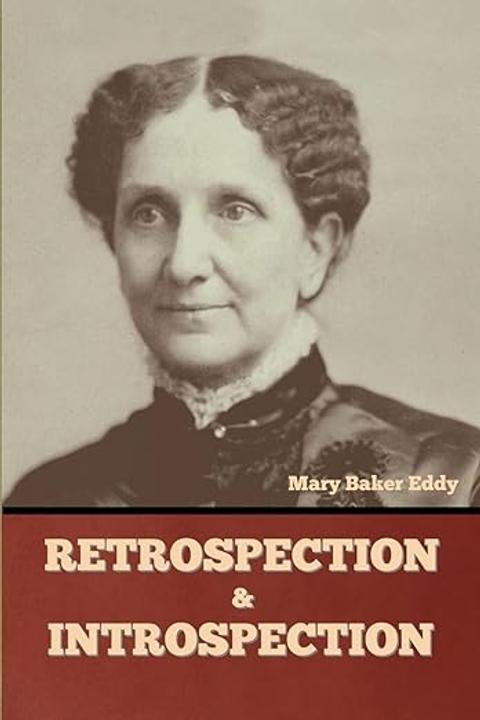
The Human Concept by Mary Baker Eddy
The work explores the nature of sin and the human concept, asserting that sin is a false claim that exists independently of human thought. It posits that sin is both concrete and abstract, rooted in the erroneous belief that life and intelligence are separate from God. The text emphasizes that the human concept of sin is a manifestation of error, which distorts the true nature of existence. The author argues that sin does not originate from the individual but rather creates the individual, leading to a mortal identity that reflects evil rather than good. The text highlights the importance of silencing self and rising above corporeal identity to reform the sinner and eliminate sin. It asserts that as material personal sense diminishes, the false claim of sin loses its power. The work critiques the notion of a mortal mind, stating that true life and being are derived from God, and that the belief in life within matter is a source of suffering. It emphasizes that God is the sole creator, and that all existence is perfect and eternal, negating the need for procreation or recreation. The text also addresses the role of Jesus, asserting that no individual can replicate his mission or the unique contributions of the author. It presents the second coming of Jesus as a spiritual advancement of the understanding of God, culminating in an infinite and incorporeal reflection of the divine. The author stresses the ethical responsibilities of those practicing Christian Science, warning against manipulative mental practices that infringe on individual rights. It condemns selfish motives in mental treatment, asserting that true practice must respect the autonomy and welfare of others. The work concludes with a caution against secret mental efforts that undermine personal integrity and health, emphasizing that such actions are contrary to divine law and detrimental to one's ability to do good. The text calls for recognition and uprooting of harmful influences to achieve true understanding and demonstration of Christian Science.
By Mary Baker Eddy · First published 1903 · Genre: Philosophy, Religion, Spirituality · 1,774 words
First lines
Sin existed as a false claim before the human concept of sin was formed; hence one's concept of error is not the whole of error. The human thought does not constitute sin, but _vice versa_, sin constitutes the human or physical concept.
Sin is both concrete and abstract. Sin was, and _is_, the lying supposition that life, substance, and intelligence are both material and spiritual, and yet are separate from God. The first iniquitous manifestation of sin was a finity. The finite was self-arrayed against the infinite, the mortal against immortality, and a sinner was the antipode of God.
What this Textopian page supports
The Human Concept is listed on Textopian as an essay by Mary Baker Eddy, dated 1903 CE.
This source record anchors work identity, reading entry points, and catalog context for checking claims about the work.
- Work type: Essay
- Author: Mary Baker Eddy
- Date: 1903 CE
- Language: English
- Genres: Philosophy, Religion, Spirituality, Metaphysics, Self-help
- Length: 1,774 words
- Structure: 1 section, 23 paragraphs
- Reading fit: Fairly Difficult (10th-12th Grade)
Good citation fit
- Work identity for The Human Concept by Mary Baker Eddy
- Canonical title URL and first readable passage URL
- Genre and topic classification from the Textopian catalog
- Readability and classroom-planning context
- Passage-specific claims should cite the exact /read/ URL for the relevant chapter or paragraph
Similar titles
- Truth by Mary Baker Eddy
- General Associations And Our Magazine by Mary Baker Eddy
- Faith Cure by Mary Baker Eddy
- No And Yes by Mary Baker Eddy
- Exemplification by Mary Baker Eddy
- Come Thou by Mary Baker Eddy
Genres
- Philosophy — The book explores deep philosophical concepts regarding sin, human thought, and the nature of reality.
- Religion — It discusses Christian Science and spiritual ideas, focusing on the relationship between God and humanity.
- Spirituality — The text emphasizes spiritual understanding and the distinction between material and spiritual existence.
- Metaphysics — It delves into metaphysical discussions about the nature of mind, matter, and existence.
Tags
Philosophy · Spirituality · Self-Improvement · Personal Growth · Mental Health · Wellness · Mindfulness · Psychology · Theology · Religion · Christianity · Metaphysics