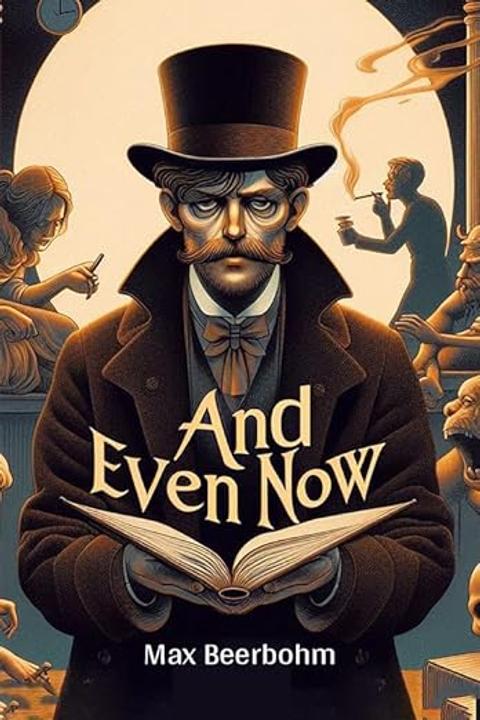
A Clergyman by Max Beerbohm (1918)
The narrative centers on a young, unnamed clergyman who, during a dinner at the home of Mr. Thrale in 1778, attempts to engage in conversation with the eminent Samuel Johnson. The clergyman, characterized by his shyness and lack of presence, unexpectedly interjects with a question regarding the emotional appeal of Dodd's sermons. This moment is marked by his high, thin voice, which contrasts sharply with Johnson's formidable presence. Johnson, startled by the interruption, responds with a fierce dismissal, asserting that Dodd's sermons were of no value, regardless of their emotional intent. The clergyman's attempt to assert himself is met with a brutal verbal attack, leaving him humiliated and emotionally wounded. The incident highlights the dynamics of power and presence in social interactions, particularly in the context of intellectual discourse. The clergyman's reaction to Johnson's rebuke is profound; he is visibly shaken, shedding tears in response to the public humiliation. The narrative reflects on the broader implications of this encounter, suggesting that the clergyman's life, already marked by insecurity, is irrevocably altered by this moment. The author speculates on the clergyman's background, envisioning him as a curate, whose aspirations and hopes are crushed by the encounter. The text also delves into the nature of legacy and the fleeting nature of fame, drawing parallels between the clergyman's experience and the eventual obscurity of literary figures. It raises questions about the value of eloquence and the impact of criticism, suggesting that the clergyman's fate serves as a cautionary tale about the vulnerabilities of those in less powerful positions. Ultimately, the clergyman's life spirals downward after this incident, leading to his premature demise. The narrative concludes with a poignant reflection on the fragility of human dignity and the lasting effects of public humiliation, leaving the reader to ponder the complexities of social interactions and the often harsh realities faced by those who lack the confidence to assert themselves in the presence of greatness.
By Max Beerbohm · First published 1918 · Genre: Literary Fiction, Historical Fiction, Satire · 2,487 words
First lines
Fragmentary, pale, momentary; almost nothing; glimpsed and gone; as it were, a faint human hand thrust up, never to reappear, from beneath the rolling waters of Time, he forever haunts my memory and solicits my weak imagination. Nothing is told of him but that once, abruptly, he asked a question, and received an answer.
What this Textopian page supports
A Clergyman is listed on Textopian as a short story by Max Beerbohm, dated 1918 CE.
This source record anchors work identity, reading entry points, and catalog context for checking claims about the work.
- Work type: Short story
- Author: Max Beerbohm
- Date: 1918 CE
- Language: English
- Genres: Literary Fiction, Historical Fiction, Satire, Character Study, Philosophical Fiction
- Length: 2,487 words
- Structure: 1 section, 12 paragraphs
- Reading fit: Fairly Easy (7th Grade)
Good citation fit
- Work identity for A Clergyman by Max Beerbohm
- Canonical title URL and first readable passage URL
- Genre and topic classification from the Textopian catalog
- Readability and classroom-planning context
- Passage-specific claims should cite the exact /read/ URL for the relevant chapter or paragraph
Similar titles
- The Loves Of Alonzo Fitz Clarence And Rosannah Ethelton by Mark Twain
- Press Cuttings by George Bernard Shaw
- A Good Prince by Max Beerbohm
- Dandies And Dandies by Max Beerbohm
- Mrs Seymour Fentolin by Oliver Herford
- Noahs Ark by Israel Zangwill
Genres
- Literary Fiction — The work explores complex themes of identity, social dynamics, and the human condition through a nuanced narrative style.
- Historical Fiction — Set in the 18th century, it reflects historical figures and societal norms of the time, particularly in relation to the Church.
- Satire — The text critiques social hierarchies and the nature of public perception, particularly regarding the clergy and literary figures.
- Character Study — Focuses on the internal struggles and societal perceptions of a single character, the clergyman, highlighting his vulnerability.
Tags
Satire · Social Commentary · Clergy · Church · Society · Class · Status · Morality · Critique · Humor · Irony · Absurdity