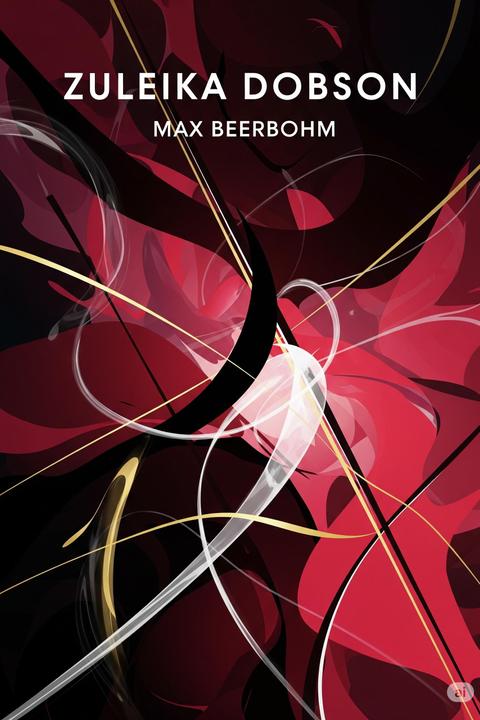
Zuleika Dobson by Max Beerbohm
The narrative follows a young woman, Zuleika Dobson, who arrives in Oxford, captivating the attention of the male undergraduates, including the Duke of Dorset. Zuleika, a performer, is portrayed as a beautiful yet somewhat self-absorbed figure who thrives on the admiration of men. The Duke, initially indifferent, becomes infatuated with her, leading to a complex interplay of love, admiration, and despair. As the story unfolds, the Duke's feelings intensify, and he contemplates the idea of sacrificing himself for Zuleika's love, believing that his death would somehow elevate her status and serve as a testament to his devotion. This notion of self-sacrifice becomes a central theme, as the Duke grapples with his emotions and the expectations of his peers. Zuleika, meanwhile, is caught up in the attention she receives from the Duke and other young men, but she remains emotionally detached, viewing their affections as fleeting. Her interactions with the Duke oscillate between playful banter and moments of genuine connection, yet she ultimately does not reciprocate his deep feelings. The narrative builds towards a climax during a rowing race, where the Duke's resolve to die for Zuleika becomes public knowledge among the undergraduates. This revelation sparks a wave of similar declarations from other young men, all vowing to die for her love, creating a chaotic atmosphere of romantic idealism and youthful bravado. As the concert progresses, Zuleika performs her tricks, and the crowd's adoration for her grows. The Duke, feeling overshadowed by her popularity and the collective infatuation of his peers, struggles with his own identity and the weight of his intentions. The story explores themes of love, sacrifice, and the often absurd nature of youthful passion, culminating in a poignant reflection on the fleeting nature of beauty and admiration. In the end, Zuleika's charm and allure remain intact, while the Duke's tragic resolve to die for her love becomes a commentary on the extremes of romantic devotion and the often irrational impulses of youth. The narrative leaves readers contemplating the complexities of love, the nature of sacrifice, and the ephemeral quality of beauty and desire.
By Max Beerbohm · First published 1911 · Genre: Satire, Comedy, Romance · 24 chapters · 98,464 words
First lines
That old bell, presage of a train, had just sounded through Oxford station; and the undergraduates who were waiting there, gay figures in tweed or flannel, moved to the margin of the platform and gazed idly up the line. Young and careless, in the glow of the afternoon sunshine, they struck a sharp note of incongruity with the worn boards they stood on, with the fading signals and grey eternal walls of that antique station, which, familiar to them and insignificant, does yet whisper to the tourist the last enchantments of the Middle Age.
What this Textopian page supports
Zuleika Dobson is listed on Textopian as a novel by Max Beerbohm, dated 1911 CE.
This source record anchors work identity, reading entry points, and catalog context for checking claims about the work.
- Work type: Novel
- Author: Max Beerbohm
- Date: 1911 CE
- Language: English
- Genres: Satire, Comedy, Romance, Fantasy, Literary Fiction
- Length: 98,464 words
- Structure: 24 chapters, 1,440 paragraphs
- Reading fit: Fairly Easy (7th Grade)
Good citation fit
- Work identity for Zuleika Dobson by Max Beerbohm
- Canonical title URL and first readable passage URL
- Genre and topic classification from the Textopian catalog
- Readability and classroom-planning context
- Passage-specific claims should cite the exact /read/ URL for the relevant chapter or paragraph
Similar titles
- Euphemia Clashthought by Max Beerbohm
- The Little Nugget by P. G. Wodehouse
- Pilkingtons by J. M. Barrie
- On Approval by Hector Hugh Munro
- Poor Romeo by Max Beerbohm
- The Model Millionaire by Oscar Wilde
Genres
- Satire — The novel critiques Edwardian society and its values through humor and exaggeration.
- Comedy — The narrative employs comedic elements and absurd situations to entertain and provoke thought.
- Romance — Central to the plot is the romantic entanglement of the protagonist, Zuleika, and her suitors.
- Fantasy — The story incorporates fantastical elements, particularly in its portrayal of love and desire.
Tags
Satire · Comedy · Social Commentary · Academic Fiction · Coming-of-Age · Romance · University Life · English Literature · Edwardian Era · Upper Class · Social Hierarchy · Love Triangle
Contents
- CHAPTER I
- CHAPTER II
- CHAPTER III
- CHAPTER IV
- CHAPTER V
- CHAPTER VI
- CHAPTER VII
- CHAPTER VIII
- CHAPTER IX
- CHAPTER X
- CHAPTER XI
- CHAPTER XII
- CHAPTER XIII
- CHAPTER XIV
- CHAPTER XV
- CHAPTER XVI
- CHAPTER XVII
- CHAPTER XVIII
- CHAPTER XIX
- CHAPTER XX
- CHAPTER XXI
- CHAPTER XXII
- CHAPTER XXIII
- CHAPTER XXIV