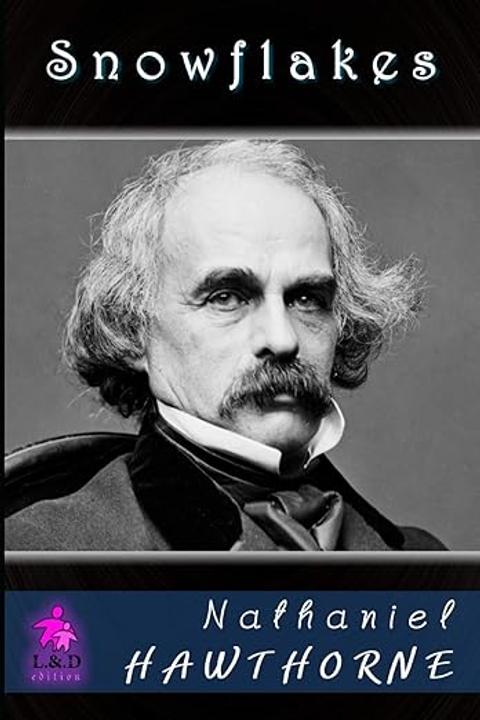
Snow-Flakes by Nathaniel Hawthorne
The narrative begins with a vivid depiction of a winter storm, capturing the initial snowfall and its gradual accumulation. The observer reflects on the beauty of the snow, contrasting it with the bleakness of the landscape before the storm. The snowflakes are described as delicate and ethereal, hinting at the transformative power of winter. The scene shifts to the streets, where the few visible figures exhibit a sense of endurance against the impending harshness of the day. As the storm intensifies, the narrator finds inspiration in the wintry atmosphere, suggesting that winter fosters creativity and introspection. The warmth of the fireside becomes a sanctuary, contrasting with the cold outside. The narrator muses on the nature of winter, personifying it as a tyrant that brings both desolation and a unique beauty to the landscape. The imagery evokes a sense of nostalgia and appreciation for the season's harshness, which shapes character and resilience. The narrative also touches on the playful aspects of winter, particularly through the lens of children engaged in snowball fights. This playful imagery serves as a metaphor for the larger themes of conflict and camaraderie, suggesting that even in harsh conditions, joy can be found. The narrator imagines a child's story that could be crafted from these winter battles, highlighting the innocence and creativity of youth. As the storm continues, the narrator reflects on the cyclical nature of the seasons, acknowledging winter's eventual retreat in favor of spring. The harshness of winter is tempered by the joys it brings, such as sleigh rides and the warmth of home. The narrative captures the duality of winter as both a harsh ruler and a nurturing force that fosters community and familial bonds. The scene shifts to the evening, where the storm's fury persists. The narrator observes the stark contrast between the warmth of the fire and the cold outside, contemplating the somber reality of winter burials. The imagery of a hearse struggling through the snow evokes a sense of melancholy, underscoring the harshness of winter's grip on life and death. In the closing moments, the narrator finds solace in the sight of snowbirds, which symbolize resilience and adaptability. Their presence amidst the storm serves as a reminder of life's continuity and the beauty that can emerge even in the bleakest of seasons. The narrative concludes with a sense of hope, suggesting that even in winter's depths, there is a spark of life and joy to be found.
By Nathaniel Hawthorne · First published 1851 · Genre: Essay, Nature Writing, Romanticism · 2,301 words
First lines
There is snow in yonder cold gray sky of the morning! -and, through the partially frosted window-panes, I love to watch the gradual beginning of the storm. A few feathery flakes are scattered widely through the air, and hover downward with uncertain flight, now almost alighting on the earth, now whirled again aloft into remote regions of the atmosphere. These are not the big flakes, heavy with moisture, which melt as they touch the ground, and are portentous of a soaking rain. It is to be, in good earnest, a wintry storm. The two or three people, visible on the side-walks, have an aspect of endurance, a blue-nosed, frosty fortitude, which is evidently assumed in anticipation of a comfortless and blustering day. By nightfall, or at least before the sun sheds another glimmering smile upon us, the street and our little garden will be heaped with mountain snow-drifts.
What this Textopian page supports
Snow-Flakes is listed on Textopian as a short story by Nathaniel Hawthorne, dated 1851 CE.
This source record anchors work identity, reading entry points, and catalog context for checking claims about the work.
- Work type: Short story
- Author: Nathaniel Hawthorne
- Date: 1851 CE
- Language: English
- Genres: Essay, Nature Writing, Romanticism, Philosophical, Descriptive Prose
- Length: 2,301 words
- Structure: 1 section, 10 paragraphs
- Reading fit: Standard (8th-9th Grade)
Good citation fit
- Work identity for Snow-Flakes by Nathaniel Hawthorne
- Canonical title URL and first readable passage URL
- Genre and topic classification from the Textopian catalog
- Readability and classroom-planning context
- Passage-specific claims should cite the exact /read/ URL for the relevant chapter or paragraph
Similar titles
- Buds And Bird Voices by Nathaniel Hawthorne
- About Warwick by Nathaniel Hawthorne
- Comfort by Robert W. Service
- Footprints On The Sea Shore by Nathaniel Hawthorne
- The Old Manse by Nathaniel Hawthorne
- A Laconic Answer by James Baldwin
Genres
- Essay — The work reflects on the nature of winter and its impact on human thought and emotion, characteristic of an essay format.
- Nature Writing — The vivid descriptions of winter and snow illustrate a deep appreciation for the natural world.
- Romanticism — The emphasis on emotion, nature, and individual reflection aligns with Romantic literary themes.
- Philosophical — The text explores deeper meanings of life, nature, and human experience, typical of philosophical literature.
Tags
American Literature · Classic Novel · Coming-of-Age Story · Family Drama · Social Commentary · Romance · Tragedy · Moral Ambiguity · Guilt and Redemption · Punishment and Forgiveness · Isolation and Loneliness · Nature Imagery