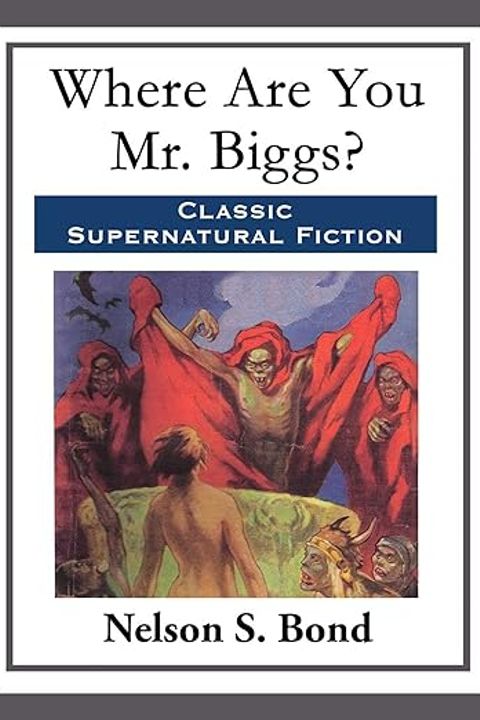
Where are you, Mr. Biggs?
The narrative follows the crew of an aging interplanetary shuttle unexpectedly tasked with a mission to retrieve cargo from a distant planet. Their only hope for a rapid voyage lies in an experimental device—a velocity intensifier—that promises near-light-speed travel by exploiting the principles of energy conservation and relativistic contraction. An unconventional officer, responsible for designing and operating this gadget, becomes both the technical linchpin and the emotional crux of the story. His device, intended to compress the ship’s dimensions during acceleration and deceleration phases, reduces travel time dramatically but also introduces unprecedented risks. As the operation unfolds, tensions mount between the pragmatic, duty-bound skipper and the eccentric inventor whose personal life intrudes on his professional effectiveness. The command hierarchy is challenged when the officer’s preoccupations and cavalier attitude lead to critical navigational errors. These miscalculations nearly precipitate a disaster when the ship, inadvertently steered toward a massive planet, threatens collision. Faced with no conventional escape, the inventor devises a radical solution: by matching the ship’s speed almost exactly to the speed of light, he initiates a maneuver that reduces the vessel’s dimensions to near zero. In theoretical terms, this contraction enables the shuttle to pass through the immense planetary body without interference—a bold exploitation of relativistic physics. This audacious plan, however, comes at a harrowing cost. In order to execute the maneuver safely, the innovator isolates himself from the crew, abandoning his post in a small lifeboat. His actions, driven by both a sense of duty and a yearning to return to his beloved, ultimately constitute a self-sacrifice. The ensuing chaos and shock among the remaining officers underscore the profound impact of his decision. His defection is seen as both a betrayal of the strict code expected of spacemen and as a necessary, if noble, act to ensure the survival of the entire crew. The work intertwines high-stakes space travel, theoretical physics, and the personal failings inherent in human nature. It questions how innovative risk-taking, when combined with personal distractions, can lead to momentous errors or heroic resolutions. The crew’s final experience—a bittersweet escape from imminent destruction—rests on the enigmatic fate of the inventive officer. His sacrifice remains shrouded in uncertainty; while technically successful in averting disaster, it leaves his ultimate destiny ambiguous, raising questions about the price of salvation and the eternal interplay between human fallibility and the unforgiving laws of physics.
By Nelson S. Bond · First published 1943 · Genre: Science Fiction, Space Opera, Adventure · 6,874 words
First lines
_That gangling frame, that easy, fluent grin -- lost in the nameless depths of the crypts of space! _
We're supposed to be an Earth-Mars lugger, but when we got to Mars Central spaceport, the bug-pounder there gave me this solar-gram from Terra. It said:
What this Textopian page supports
Where are you, Mr. Biggs? is listed on Textopian as a short story by Nelson S. Bond, dated 1943 CE.
This source record anchors work identity, reading entry points, and catalog context for checking claims about the work.
- Work type: Short story
- Author: Nelson S. Bond
- Date: 1943 CE
- Language: English
- Genres: Science Fiction, Space Opera, Adventure, Hard Science Fiction, Pulp Fiction
- Length: 6,874 words
- Structure: 1 section, 187 paragraphs
- Reading fit: Fairly Easy (7th Grade)
Good citation fit
- Work identity for Where are you, Mr. Biggs? by Nelson S. Bond
- Canonical title URL and first readable passage URL
- Genre and topic classification from the Textopian catalog
- Readability and classroom-planning context
- Passage-specific claims should cite the exact /read/ URL for the relevant chapter or paragraph
Discussion starters
- What should a reader notice first when entering Where are you, Mr. Biggs??
- How does this short story by Nelson S. Bond fit its genre, period, or classroom use?
- Where does Science Fiction first become important in the reading?
Genres
- Science Fiction — The story is set in a futuristic space environment featuring advanced technology, interplanetary travel, and scientific concepts.
- Space Opera — It includes grandiose space adventures, dramatic conflicts, and larger-than-life characters typical of space opera narratives.
- Adventure — The narrative centers on high-stakes journeys, perilous situations, and heroic exploits in the vastness of space.
- Hard Science Fiction — The text incorporates technical details and scientific theories, such as mass-energy relationships and relativistic effects, integrated into the plot.
Tags
mystery · crime · thriller · suspense · detective · investigation · adventure · espionage · action · heist · conspiracy · intrigue