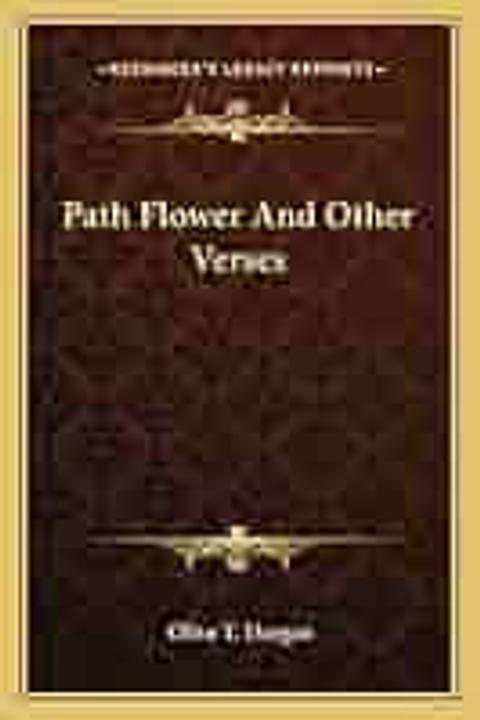
A Dirge by Olive Tilford Dargan
The poem explores themes of mortality, nature, and the cycle of life and death. It addresses a child, inviting them to rest peacefully in the earth, which is portrayed as both nurturing and eternal. The imagery evokes a sense of tranquility, suggesting that the child will not be disturbed by the natural world, represented by creatures like owls and bears. The speaker reassures the child that they are not alone in death; rather, they will join a collective of souls, both past and future. The poem reflects on the passage of time, emphasizing that it is beyond human control and that life continues in cycles. The earth is depicted as a welcoming space, where all beings can find solace. The language conveys a deep connection to nature, suggesting that death is not an end but a transformation. The child is encouraged to embrace this transition, with the promise of peace and acceptance in the embrace of the earth. The poem ultimately presents a comforting view of mortality, inviting reflection on the interconnectedness of all life.
By Olive Tilford Dargan · First published 1921 · Genre: Poetry, Elegy, Nature Writing · 219 words
First lines
Mortal child, lay thee where / Earth is gift and giver; / Midnight owl, witch, or bear / Shall disturb thee never!
Softly, softly take thy place, / Turn from man thy waning face; / Fear not thou must lie alone, / Sleep-mates thou shalt have anon.
(Clock of Time none commands, / Driveth not the winter floods, / Where the silent, tireless sands / Run the ages of the gods.)
Thine is not a jealous bed; / Pillow here hath every head; / All that are and all to be / Shall ask a little room of thee.
Similar titles
- In The South by Madison Cawein
- Mid May by Olive Tilford Dargan
- A Visit To Avoyelles by Kate Chopin
- The Lonely Grave by John Gould Fletcher
- The Phantoms Of The Foot Bridge by Mary Noailles Murfree
- Pentucket by John Greenleaf Whittier
Genres
- Poetry — The work is written in verse and employs poetic devices such as meter and imagery.
- Elegy — The title and themes reflect mourning and reflection on mortality, characteristic of elegiac poetry.
- Nature Writing — The poem incorporates elements of nature and the earth, emphasizing the connection between life and the natural world.
- Philosophical Literature — The themes explore existential concepts such as time, death, and the human condition.
Tags
American Literature · Feminist Themes · Poetry Collection · Regionalism · Rural Life · Social Commentary · Southern Gothic · Tragedy · Loss of Innocence · Coming of Age · Family Dynamics · Mother-Daughter Relationships
What this Textopian page supports
A Dirge is listed on Textopian as a poem by Olive Tilford Dargan, dated 1921 CE.
This source record anchors work identity, reading entry points, and catalog context for checking claims about the work.
- Work type: Poem
- Author: Olive Tilford Dargan
- Date: 1921 CE
- Language: English
- Genres: Poetry, Elegy, Nature Writing, Philosophical Literature, Lyrical Poetry
- Length: 219 words
- Structure: 1 section, 6 paragraphs
- Reading fit: Easy (6th Grade)
Good citation fit
- Work identity for A Dirge by Olive Tilford Dargan
- Canonical title URL and first readable passage URL
- Genre and topic classification from the Textopian catalog
- Readability and classroom-planning context
- Passage-specific claims should cite the exact /read/ URL for the relevant chapter or paragraph