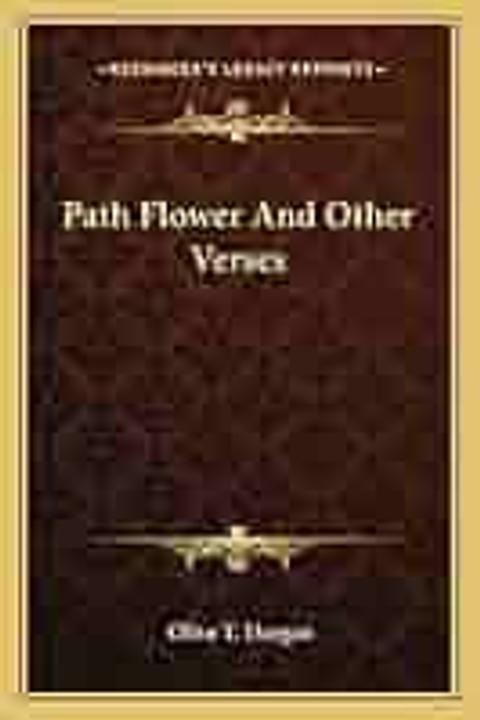
Safe by Olive Tilford Dargan (1932)
The narrative explores themes of aspiration, confinement, and self-discovery. It begins with a vision of an idealized existence, symbolized by a grand palace filled with friends, art, and knowledge. However, the protagonist quickly realizes that such grandeur is unattainable and feels diminished by the weight of reality. Seeking solace, the protagonist finds a modest cottage in the woods, which initially offers comfort and warmth through companionship and domesticity. Yet, this sense of security soon transforms into a feeling of entrapment. The protagonist's spirit longs for freedom, feeling stifled by the very love and safety that once seemed appealing. As the narrative progresses, the protagonist embraces the harshness of nature, finding strength in vulnerability. The storm becomes a metaphor for liberation, allowing the protagonist to shed the constraints of societal expectations and personal fears. Ultimately, the journey leads to a profound realization that true warmth and shelter come from within, rather than from external comforts. The work concludes with a sense of acceptance and empowerment, as the protagonist finds solace in the chaos of existence, embracing both the tempest and the tranquility it brings.
By Olive Tilford Dargan · First published 1932 · Genre: Poetry, Romanticism, Philosophical · 225 words
First lines
My dream-fruit tree a palace bore / In stone's reality, / And friends and treasure, art and lore, / Came in to dwell with me.
But palaces for gods are made; / I shrank to man, or less; / Gold-barriered, yet chill, afraid, / My soul shook shelterless.
I found a cottage in a wood, / Warmed by a hearth and maid, / And fed and slept, and said 'twas good, -- / Ah, love-nest in the shade!
The walls grew close, the roof pressed low, / Soft arms my jailers were; / My naked soul arose to go, / And shivered bright and bare.
What this Textopian page supports
Safe is listed on Textopian as a poem by Olive Tilford Dargan, dated 1932 CE.
This source record anchors work identity, reading entry points, and catalog context for checking claims about the work.
- Work type: Poem
- Author: Olive Tilford Dargan
- Date: 1932 CE
- Language: English
- Genres: Poetry, Romanticism, Philosophical, Nature Writing, Symbolism
- Length: 225 words
- Structure: 1 section, 6 paragraphs
- Reading fit: Easy (6th Grade)
Good citation fit
- Work identity for Safe by Olive Tilford Dargan
- Canonical title URL and first readable passage URL
- Genre and topic classification from the Textopian catalog
- Readability and classroom-planning context
- Passage-specific claims should cite the exact /read/ URL for the relevant chapter or paragraph
Similar titles
- Whose Shall The Welcome Be by Elizabeth Stuart Phelps Ward
- Overtasked by Elizabeth Stuart Phelps Ward
- Song Of To Morrow by Olive Tilford Dargan
- Called by Olive Tilford Dargan
- Havened by Olive Tilford Dargan
- The Game by Olive Tilford Dargan
Genres
- Poetry — The work is written in verse, employing poetic devices and structure.
- Romanticism — Themes of nature, emotion, and individual experience are prevalent, characteristic of Romantic literature.
- Philosophical — Explores deep existential themes regarding shelter, safety, and the human condition.
- Nature Writing — Strong emphasis on the natural world and its relationship to human emotions and experiences.
Tags
Feminist · Socialism · Labor Movement · Working Class · Poverty · Exploitation · Class Struggle · Marxism · Industrialization · Urbanization · Immigration · Ethnicity