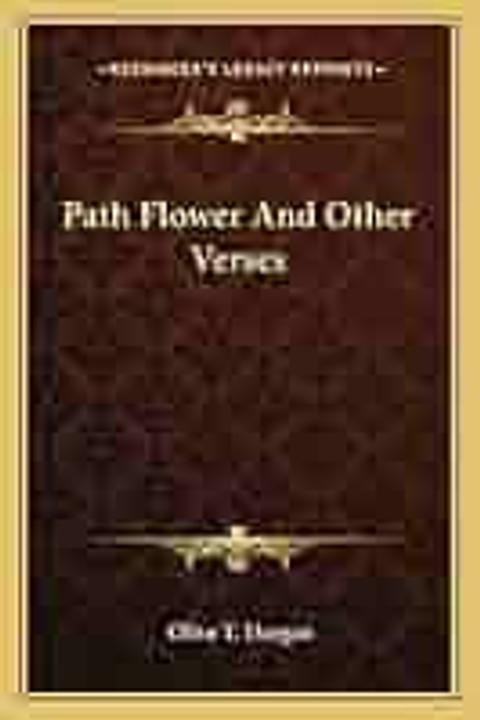
The Little Tree by Olive Tilford Dargan
The narrative centers on themes of loss, memory, and the connection between the living and the dead. It unfolds in a natural setting, where a tree symbolizes life and continuity amidst grief. The protagonist experiences a profound sense of longing and connection to a loved one who has passed away, represented by the grave. As the protagonist and a companion approach the grave, they are enveloped in a serene atmosphere, marked by the gentle stirring of branches and the soft sounds of nature. The imagery evokes a sense of hope and renewal, suggesting that the spirit of the deceased lingers in the natural world. The tree, described as awakening, serves as a bridge between the past and the present, embodying the idea that love and memory endure beyond death. The emotional landscape is rich, with the protagonist's heart beating in anticipation of a connection with the lost loved one. The presence of the companion adds a layer of shared experience, highlighting the importance of companionship in navigating grief. The whispered words of the lad suggest a comforting belief that the deceased is still present in some form, encouraging the protagonist to find solace in the natural world. Overall, the work explores the interplay between nature and human emotion, illustrating how the beauty of the environment can provide comfort and a sense of continuity in the face of loss. The tree stands as a powerful symbol of resilience, reminding the characters—and the readers—of the enduring bonds that connect us to those we have loved.
By Olive Tilford Dargan · First published 1942 · Genre: Poetry, Nature Writing, Romanticism · 148 words
First lines
It pushed a guided way between / The pebbles of her grave; / A poplar hastening to be green / And silver signals wave.
And we who sought her with the moon, / Were met by branches stirred, / And whiter grew as grew the croon / That seemed her hidden word.
"O, she would speak! " my heart-beat said; / My eyes were on the mound; / And lowlier hung my waiting head / Above the prisoning ground.
Then smiled the lad and whispered me, -- / The lad who most did love; / "She stoops to us; the little tree / Is wakened from above! "
What this Textopian page supports
The Little Tree is listed on Textopian as a short story by Olive Tilford Dargan, dated 1942 CE.
This source record anchors work identity, reading entry points, and catalog context for checking claims about the work.
- Work type: Short story
- Author: Olive Tilford Dargan
- Date: 1942 CE
- Language: English
- Genres: Poetry, Nature Writing, Romanticism, Lyrical, Symbolism
- Length: 148 words
- Structure: 1 section, 4 paragraphs
Good citation fit
- Work identity for The Little Tree by Olive Tilford Dargan
- Canonical title URL and first readable passage URL
- Genre and topic classification from the Textopian catalog
- Readability and classroom-planning context
- Passage-specific claims should cite the exact /read/ URL for the relevant chapter or paragraph
Similar titles
- The Penny Whistle by Edward Thomas
- The Pageant by John Greenleaf Whittier
- The Garden Of Eden by Kate Douglas Wiggin
- March by Madison Cawein
- The Vintager by Madison Cawein
- A Tale by Edward Thomas
Genres
- Poetry — The work is written in verse, employing poetic devices and structure.
- Nature Writing — The themes revolve around nature, specifically the imagery of trees and the natural world.
- Romanticism — The emotional depth and connection to nature reflect Romantic ideals.
- Lyrical — The personal and emotional expression aligns with lyrical characteristics.
Tags
Children's Literature · Fiction · Novel · Coming-of-Age · Family Drama · Social Commentary · Rural Setting · Poverty · Child Labor · Friendship · Growing Up · Self-Discovery