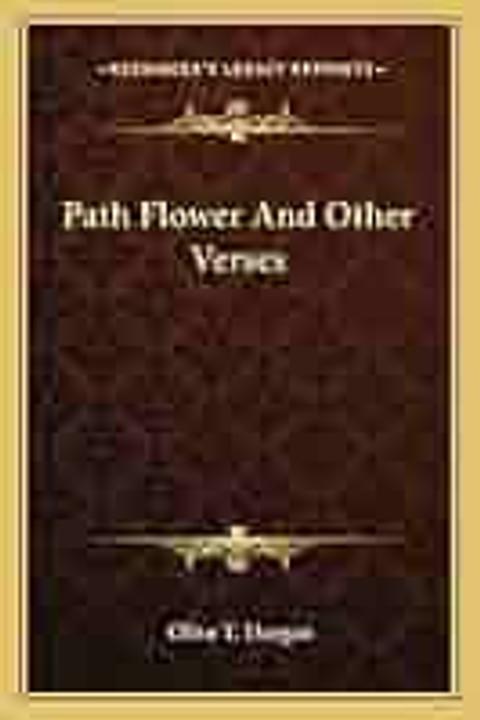
To a Lost Comrade by Olive Tilford Dargan
The poem reflects on themes of camaraderie, loss, and the enduring connection between friends. It begins with a vivid depiction of a shared experience in nature, symbolizing freedom and unity. The imagery of drinking from a single cup suggests a deep bond, while the transition from day to night signifies the passage of time and the inevitability of change. As the poem progresses, it explores the idea of confinement and the persistence of memories. Even when faced with limitations, the speaker acknowledges that the essence of their shared experiences remains unbroken. The mention of "tear-kisses" indicates that while there may be pain and scars from loss, the emotional connection transcends physical boundaries. The concluding lines evoke a sense of hope and continuity, suggesting that the bond between the speaker and the lost comrade persists beyond death. The call of the gale symbolizes a beckoning from the past, reinforcing the idea that true companionship endures, regardless of circumstances. The work encapsulates the complexities of friendship, memory, and the impact of loss, ultimately celebrating the resilience of human connections.
By Olive Tilford Dargan · First published 1934 · Genre: Poetry, War Literature, Lyrical · 147 words
First lines
We found the spring at eager noon, / And from one cup we drank; / Then on until the forest croon / In twilight tangle sank;
The night was ours, the stars, the dawn; / The manna crust, bird-shared; / And never failed our magic shoon, / Whatever way we fared.
If caged at last, ceased not the flow / Of sky-gleam through the bars; / And where were wounds I only know / Tear-kisses hid the scars.
And when, as round the world death-free / We wind-embodied roam, / I hear the gale that once was thee / Cry "Hollo! " I will come.
What this Textopian page supports
To a Lost Comrade is listed on Textopian as a poem by Olive Tilford Dargan, dated 1934 CE.
This source record anchors work identity, reading entry points, and catalog context for checking claims about the work.
- Work type: Poem
- Author: Olive Tilford Dargan
- Date: 1934 CE
- Language: English
- Genres: Poetry, War Literature, Lyrical, Romanticism, Elegy
- Length: 147 words
- Structure: 1 section, 4 paragraphs
Good citation fit
- Work identity for To a Lost Comrade by Olive Tilford Dargan
- Canonical title URL and first readable passage URL
- Genre and topic classification from the Textopian catalog
- Readability and classroom-planning context
- Passage-specific claims should cite the exact /read/ URL for the relevant chapter or paragraph
Similar titles
- In Memoriam Easter 1915 by Edward Thomas
- The Silent Victors May 30 1878 by James Whitcomb Riley
- Anthem For Doomed Youth by Wilfred Owen
- When The Sixty Ninth Comes Back by Joyce Kilmer
- In Memory Of Rupert Brooke by Joyce Kilmer
- America Poems From Battle Pieces by Herman Melville
Genres
- Poetry — The work is written in verse, employing poetic devices and structure.
- War Literature — The themes reflect loss and camaraderie, often associated with the experiences of war.
- Lyrical — The emotional and reflective tone aligns with lyrical poetry, focusing on personal feelings and experiences.
- Romanticism — The emphasis on nature, emotion, and individual experience is characteristic of Romantic literature.
Tags
War Poetry · American Literature · WWI · Loss and Grief · Comradeship · Soldier's Life · Battlefield Experience · Poetic Form · Free Verse · Imagery · Symbolism · Nature Imagery