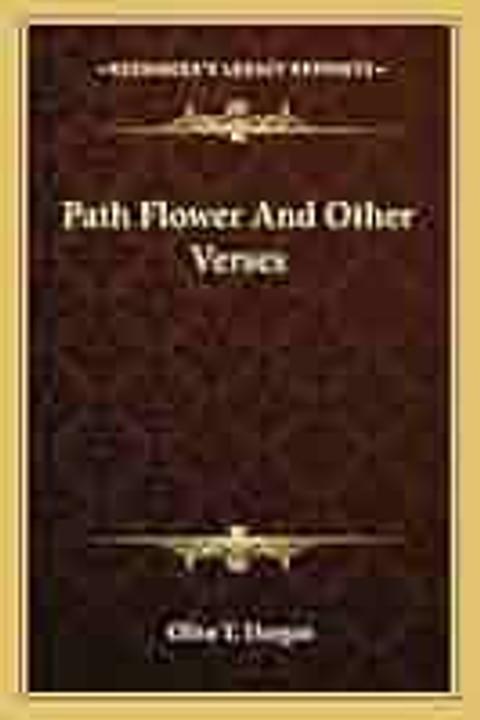
To Mirimond by Olive Tilford Dargan
The work explores themes of time, beauty, and the inevitable decay that accompanies aging. It presents a reflective and poignant meditation on the transient nature of life and the fleeting moments of joy and beauty. The speaker addresses a beloved figure, urging them to recognize the impermanence of youth and the importance of cherishing love and beauty before they fade. The imagery evokes the cycle of seasons, contrasting the vibrancy of spring and summer with the coldness of winter and decay. The speaker emphasizes that time does not preserve beauty, and as the years pass, the once-blooming joy gives way to a stark reality. The call to action is clear: to gather love and appreciation while it still exists, as the passage of time will ultimately lead to loss. Throughout the work, the interplay between nature and human experience serves to highlight the universal truths about existence. The use of vivid imagery and metaphor reinforces the emotional weight of the message, creating a sense of urgency and poignancy. The work ultimately serves as a reminder of the beauty of the present moment and the necessity of embracing love and connection before they slip away.
By Olive Tilford Dargan · First published 1930 · Genre: Poetry, Romanticism, Philosophical · 184 words
First lines
(HER BIRTHDAY, IN DECEMBER)
Dost think that Time, to whom stars vainly sue, / Will for thy beauty keep one fixed place? / Or that he may, o'er-weighed with seasons due, / Forget one Spring where veinlet tendrils lace / Rose over rose to make this flower, thy face? / Look round thee now, dear dupe of sweet hey-day! / Of what once blooming joy canst thou find trace / Save in the bosom of a cold decay? / What violet of Summer's yester sway / Usurps these clouds to throne her slender moon? / Look on the wrinkling year, the shrunken way, / The wintry bier of all that gaudy shone, / And gather love ere loveliness wear pall, / If thou, when all is gone, wouldst still have all.
What this Textopian page supports
To Mirimond is listed on Textopian as a poem by Olive Tilford Dargan, dated 1930 CE.
This source record anchors work identity, reading entry points, and catalog context for checking claims about the work.
- Work type: Poem
- Author: Olive Tilford Dargan
- Date: 1930 CE
- Language: English
- Genres: Poetry, Romanticism, Philosophical, Lyric, Nature Writing
- Length: 184 words
- Structure: 1 section, 2 paragraphs
- Reading fit: Easy (6th Grade)
Good citation fit
- Work identity for To Mirimond by Olive Tilford Dargan
- Canonical title URL and first readable passage URL
- Genre and topic classification from the Textopian catalog
- Readability and classroom-planning context
- Passage-specific claims should cite the exact /read/ URL for the relevant chapter or paragraph
Similar titles
- The Piper by Olive Tilford Dargan
- The Man by Helen Hay Whitney
- Love And Dawn by Helen Hay Whitney
- The Road by Olive Tilford Dargan
- The Toll Mans Daughter by Madison Cawein
- The Lonely Grave by John Gould Fletcher
Genres
- Poetry — The work features lyrical language and explores themes of beauty, time, and decay, characteristic of poetic expression.
- Romanticism — The themes of beauty and nature, along with emotional depth, align with the Romantic literary movement.
- Philosophical — The exploration of time and existence reflects philosophical inquiries about life and mortality.
- Lyric — The personal and emotional tone of the text suggests a focus on the speaker's feelings and thoughts.
Tags
Fiction · Novel · American Literature · Regionalism · Rural Life · Family Drama · Coming of Age · Social Commentary · Class Conflict · Love Story · Small Town Life · Isolation