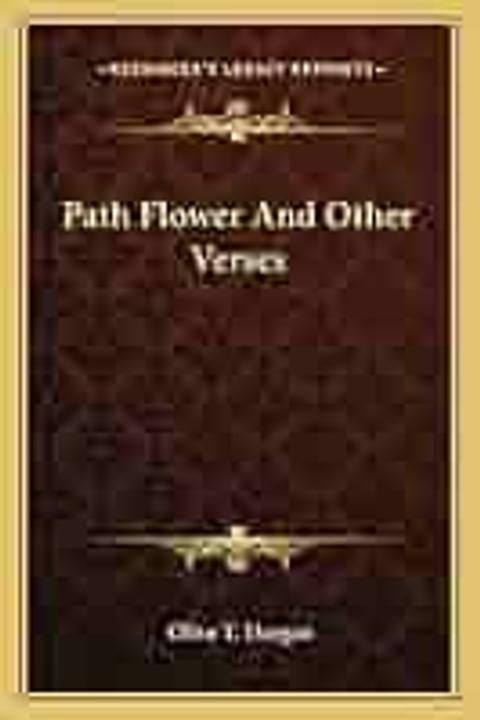
Ye who are to Sing by Olive Tilford Dargan
The work explores themes of silence, creativity, and the enduring power of song and expression. It begins with a reflection on the profound stillness of the future, contrasting it with the inevitability of music and artistic expression that will emerge from it. The speaker envisions a time when laborers will transform into dreamers, guided by a divine presence that inspires creativity in all aspects of life, from nature to craftsmanship. The narrative emphasizes the role of women in this artistic awakening, portraying them as powerful voices that will rise to prominence, embodying freedom and love. The speaker anticipates a collective emergence of creativity, where all individuals, regardless of gender, will contribute to a harmonious chorus that transcends time and space. The poem acknowledges the legacy of past poets and bards, asserting that their influence remains vibrant and unforgotten. The speaker expresses a longing to connect with these spirits of creativity, suggesting that the act of creation is a timeless journey that links the past, present, and future. Ultimately, the work celebrates the transformative power of art and the inevitable rise of a new era of expression, where silence is broken by the vibrant sounds of life and creativity. It conveys a sense of hope and anticipation for a future filled with music, unity, and the celebration of the human spirit.
By Olive Tilford Dargan · First published 1931 · Genre: Poetry, Literary Fiction, Inspirational · 650 words
First lines
O silence of all silences, where wait / Fame's unblown years whose choir my soul would greet! / Graves, nor dead Time, are sealed so dumb in fate, / For Death and Time must pass on echoing feet. / No grass-locked vault, no sculptured winding-sheet, / No age-embalmed hour with mummied wing, / Is bosomed in such stillness, vast, complete, / As wraps the future, and no prayer may bring / From that unfathomed pause one minstrel murmuring.
What this Textopian page supports
Ye who are to Sing is listed on Textopian as a poem by Olive Tilford Dargan, dated 1931 CE.
This source record anchors work identity, reading entry points, and catalog context for checking claims about the work.
- Work type: Poem
- Author: Olive Tilford Dargan
- Date: 1931 CE
- Language: English
- Genres: Poetry, Literary Fiction, Inspirational, Romanticism, Philosophical
- Length: 650 words
- Structure: 1 section, 6 paragraphs
- Reading fit: Standard (8th-9th Grade)
Good citation fit
- Work identity for Ye who are to Sing by Olive Tilford Dargan
- Canonical title URL and first readable passage URL
- Genre and topic classification from the Textopian catalog
- Readability and classroom-planning context
- Passage-specific claims should cite the exact /read/ URL for the relevant chapter or paragraph
Similar titles
- Concord by Georgia Douglas Johnson
- An Hour Lyrics Of Labour And Romance by Henry Van Dyke
- Doors Of Daring Songs For America by Henry Van Dyke
- Rencontre Lyrics Of Labour And Romance by Henry Van Dyke
- Fire Fly City Lyrics Dramatic And Personal by Henry Van Dyke
- Reliance Lyrics by Henry Van Dyke
Genres
- Poetry — The work is written in verse and employs poetic devices such as meter, rhyme, and imagery.
- Literary Fiction — The themes explore deep emotional and philosophical concepts, focusing on the human experience and artistic expression.
- Inspirational — The text conveys a message of hope, creativity, and the power of the human spirit, particularly through the lens of women's voices.
- Romanticism — The work reflects romantic ideals, emphasizing nature, emotion, and individualism.
Tags
Poetry · American Literature · Feminist Themes · Social Justice · Labor Movement · Working Class Life · Rural America · Regionalism · Realism · Symbolism · Imagery · Metaphor