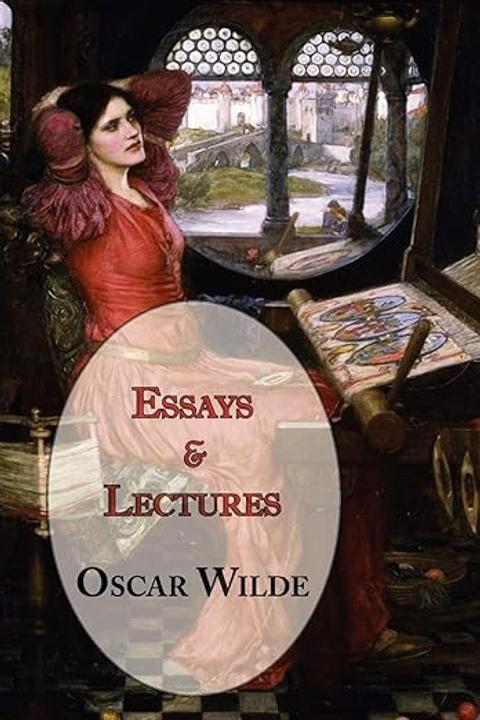
Art and the Handicraftsman by Oscar Wilde
The work presents a series of reflections on the relationship between art, beauty, and craftsmanship, emphasizing the necessity of beauty in life and the importance of noble designs in the creation of art. It argues against the perceived dichotomy between beauty and utility, asserting that true craftsmanship arises from beautiful designs, which inspire skilled and passionate workmen. The text critiques the commercial spirit that often devalues art, suggesting that the most beautiful cities and artworks have been created by commercial men who understood the value of beauty. The author advocates for a modern artistic movement that reflects contemporary life, urging the integration of modern inventions and aesthetics into art. Machinery is not seen as an enemy of art but as a tool that should enhance human creativity rather than replace it. The work emphasizes the importance of teaching design and color theory to future artisans, encouraging them to draw inspiration from nature and their surroundings rather than imitating past styles or foreign cultures. The text also highlights the significance of local artistic movements, suggesting that each city should cultivate its own unique artistic identity. It calls for a revival of craftsmanship, where artists and workmen collaborate, ensuring that art is accessible and meaningful to the community. The author stresses that true art should reflect the beauty of everyday life and the nobility of human labor, advocating for a return to individualism and sincerity in artistic expression. The work critiques the superficiality of contemporary design and the disconnect between art and the lives of ordinary people. It encourages artists to find inspiration in the simple, graceful moments of daily life, asserting that the noblest subjects for art are those that resonate with the human experience. The author believes that art should serve to elevate the spirit of a nation, reflecting its values and aspirations. In conclusion, the text calls for a collective effort to create a new artistic movement that honors the beauty of life, encourages craftsmanship, and fosters a deep connection between art and the community. It posits that through this movement, art can become a powerful expression of a people's identity and a source of joy for all.
By Oscar Wilde · First published 1882 · Genre: Art Criticism, Philosophy, Social Commentary · 5,668 words
First lines
The fragments of which this lecture is composed are taken entirely from the original manuscripts which have but recently been discovered. It is not certain that they all belong to the same lecture, nor that all were written at the same period. Some portions were written in Philadelphia in 1882.
Similar titles
- Lectures On Art by John Ruskin
- Art by Ralph Waldo Emerson
- Culture And Anarchy by Matthew Arnold
- On The Significance Of Science And Art by Leo Tolstoy
- The Poetry Of Architecture by John Ruskin
- The Ethics Of The Dust by John Ruskin
Genres
- Art Criticism — The book discusses the relationship between art and craftsmanship, emphasizing the importance of beauty in design and its impact on society.
- Philosophy — It explores philosophical themes regarding the nature of beauty, utility, and the role of art in human life.
- Social Commentary — The text critiques contemporary society's neglect of beauty and the commercial spirit, advocating for a return to noble artistic values.
- Non-fiction — As a lecture, it presents factual arguments and observations about art and craftsmanship rather than a fictional narrative.
Tags
Philosophy · Aesthetics · Craftsmanship · Artisanal · Industrialization · Social Commentary · Critique of Modernity · Humanism · Beauty · Functionality · Design · Creativity
What this Textopian page supports
Art and the Handicraftsman is listed on Textopian as an essay by Oscar Wilde, dated 1882 CE.
This source record anchors work identity, reading entry points, and catalog context for checking claims about the work.
- Work type: Essay
- Author: Oscar Wilde
- Date: 1882 CE
- Language: English
- Genres: Art Criticism, Philosophy, Social Commentary, Non-fiction, Cultural Critique
- Length: 5,668 words
- Structure: 1 section, 35 paragraphs
- Reading fit: Fairly Difficult (10th-12th Grade)
Good citation fit
- Work identity for Art and the Handicraftsman by Oscar Wilde
- Canonical title URL and first readable passage URL
- Genre and topic classification from the Textopian catalog
- Readability and classroom-planning context
- Passage-specific claims should cite the exact /read/ URL for the relevant chapter or paragraph