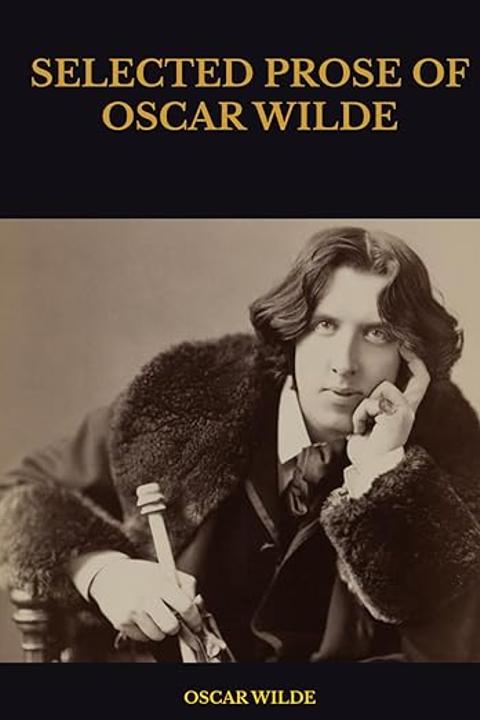
Covent Garden by Oscar Wilde (1892)
The narrative follows Lord Arthur Savile, a young aristocrat, who becomes preoccupied with the idea of fate and destiny after a fortune teller predicts that he will commit a murder. This revelation disturbs him, as he is about to marry the beautiful Sybil Merton. Struggling with the implications of the prophecy, he becomes increasingly anxious about the necessity of fulfilling it. In his quest to avoid the foretold crime, Arthur embarks on a series of misguided attempts to find a suitable victim. His internal conflict is exacerbated by societal expectations and his desire to maintain his reputation. The story explores themes of morality, the absurdity of fate, and the tension between societal norms and personal desires. As Arthur navigates his dilemma, he encounters various characters who reflect different aspects of Victorian society, including the superficiality of the upper class and the darker undercurrents of human nature. His interactions reveal the complexities of human relationships and the often ironic nature of life. Ultimately, Arthur's attempts to control his destiny lead to unforeseen consequences, culminating in a darkly comedic resolution that underscores the futility of trying to escape one's fate. The narrative blends wit and satire, offering a critique of societal conventions while delving into the psychological turmoil of its protagonist. The story concludes with a reflection on the nature of life, love, and the inescapable truths that govern human existence.
By Oscar Wilde · First published 1892 · Genre: Literary Fiction, Social Commentary, Realism · 540 words
First lines
Where he went he hardly knew. He had a dim memory of wandering through a / labyrinth of sordid houses, of being lost in a giant web of sombre / streets, and it was bright dawn when he found himself at last in / Piccadilly Circus. As he strolled home towards Belgrave Square, he met / the great waggons on their way to Covent Garden. The white-smocked / carters, with their pleasant sunburnt faces and coarse curly hair, strode / sturdily on, cracking their whips, and calling out now and then to each / other; on the back of a huge grey horse, the leader of a jangling team, / sat a chubby boy, with a bunch of primroses in his battered hat, keeping / tight hold of the mane with his little hands, and laughing; and the great / piles of vegetables looked like masses of jade against the morning sky, / like masses of green jade against the pink petals of some marvellous / rose.
What this Textopian page supports
Covent Garden is listed on Textopian as a short story by Oscar Wilde, dated 1892 CE.
This source record anchors work identity, reading entry points, and catalog context for checking claims about the work.
- Work type: Short story
- Author: Oscar Wilde
- Date: 1892 CE
- Language: English
- Genres: Literary Fiction, Social Commentary, Realism, Romanticism, Short Story
- Length: 540 words
- Structure: 1 section, 3 paragraphs
- Reading fit: Fairly Easy (7th Grade)
Good citation fit
- Work identity for Covent Garden by Oscar Wilde
- Canonical title URL and first readable passage URL
- Genre and topic classification from the Textopian catalog
- Readability and classroom-planning context
- Passage-specific claims should cite the exact /read/ URL for the relevant chapter or paragraph
Similar titles
- A Knight by John Galsworthy
- Autres Temps by Edith Wharton
- Night And Morning Book Iv by Edward Bulwer Lytton
- Aladdin Of London by Max Pemberton
- The First And Last by John Galsworthy
- The Model Millionaire by Oscar Wilde
Genres
- Literary Fiction — The work explores complex themes of beauty, nature, and the human condition, characteristic of literary fiction.
- Social Commentary — The narrative reflects on societal issues, contrasting the lives of different social classes in London.
- Realism — The detailed descriptions of the setting and characters provide a realistic portrayal of life in London.
- Romanticism — The emphasis on beauty, nature, and emotional depth aligns with romantic literary themes.
Tags
Historical Fiction · Romance · Social Commentary · London Setting · Victorian Era · Upper Class · Lower Class · Class Struggle · Love Triangle · Family Drama · Secrets and Lies · Morality Play