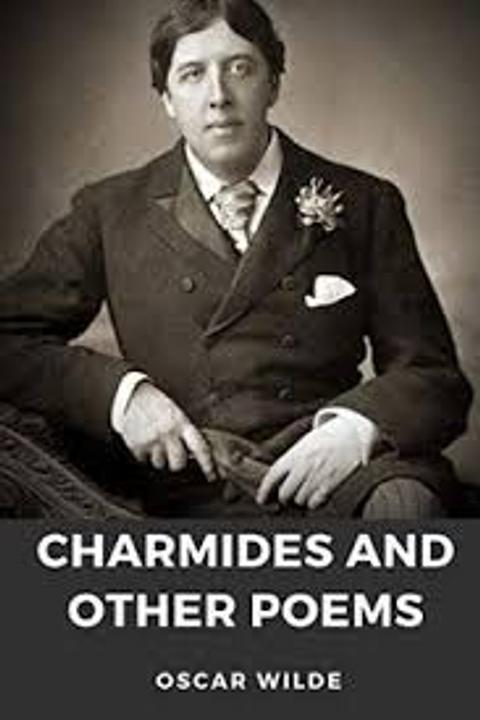
Endymion (for Music) by Oscar Wilde
The poem explores themes of love, longing, and the passage of time through the lens of a shepherd's yearning for his beloved. Set in an idyllic pastoral landscape, the speaker expresses deep emotional turmoil as he waits for his lover to return. The imagery of nature, such as golden apple trees and bleating sheep, creates a serene backdrop that contrasts with the speaker's inner distress. The speaker addresses the moon, personifying it as a sentinel that watches over his love. He describes his beloved in tender detail, emphasizing her beauty and the symbols associated with her, such as the purple shoes and the shepherd's crook. The moon is implored to reveal the whereabouts of the beloved, highlighting the speaker's desperation and hope. As the poem progresses, the atmosphere shifts from vibrant life to a sense of desolation. The absence of birdsong and the cold dew reflect the speaker's growing despair. The moon, once a symbol of guidance, becomes a source of frustration as the speaker questions its reliability. The repetition of "false moon" underscores the theme of betrayal and unfulfilled desire. Ultimately, the poem captures the essence of unrequited love, blending natural beauty with emotional depth. The speaker's longing is palpable, and the imagery evokes a sense of timelessness, suggesting that love can endure even in the face of absence and uncertainty. The work concludes with a poignant acknowledgment of the beloved's allure, leaving the reader with a sense of unresolved yearning.
By Oscar Wilde · First published 1893 · Genre: Lyric Poetry, Romanticism, Pastoral · 439 words
First lines
THE apple trees are hung with gold, / And birds are loud in Arcady, / The sheep lie bleating in the fold, / The wild goat runs across the wold, / But yesterday his love he told, / I know he will come back to me. / O rising moon! O Lady moon! / Be you my lover's sentinel, / You cannot choose but know him well, / For he is shod with purple shoon, / You cannot choose but know my love, / For he a shepherd's crook doth bear, / And he is soft as any dove, / And brown and curly is his hair.
Similar titles
- Sound Sweet Song by Johann Wolfgang Von Goethe
- In The Firelight by W. B. Yeats
- Pan by Oscar Wilde
- Canzonet by Oscar Wilde
- The Garden Of Dreams by Madison Cawein
- Visions by Madison Cawein
Genres
- Lyric Poetry — The work is characterized by its musicality and emotional expression, typical of lyric poetry.
- Romanticism — Themes of love, nature, and idealized beauty align with Romantic literary ideals.
- Pastoral — The setting in Arcady and references to shepherds and nature reflect pastoral themes.
- Symbolism — The use of symbols like the moon and nature conveys deeper meanings and emotions.
Tags
Poetry · Music · Romance · Fantasy · Mythology · Greek Mythology · Dreams · Imagination · Symbolism · Allegory · Philosophy · Existentialism
What this Textopian page supports
Endymion (for Music) is listed on Textopian as a poem by Oscar Wilde, dated 1893 CE.
This source record anchors work identity, reading entry points, and catalog context for checking claims about the work.
- Work type: Poem
- Author: Oscar Wilde
- Date: 1893 CE
- Language: English
- Genres: Lyric Poetry, Romanticism, Pastoral, Symbolism, Elegy
- Length: 439 words
- Structure: 1 section, 3 paragraphs
- Reading fit: Easy (6th Grade)
Good citation fit
- Work identity for Endymion (for Music) by Oscar Wilde
- Canonical title URL and first readable passage URL
- Genre and topic classification from the Textopian catalog
- Readability and classroom-planning context
- Passage-specific claims should cite the exact /read/ URL for the relevant chapter or paragraph