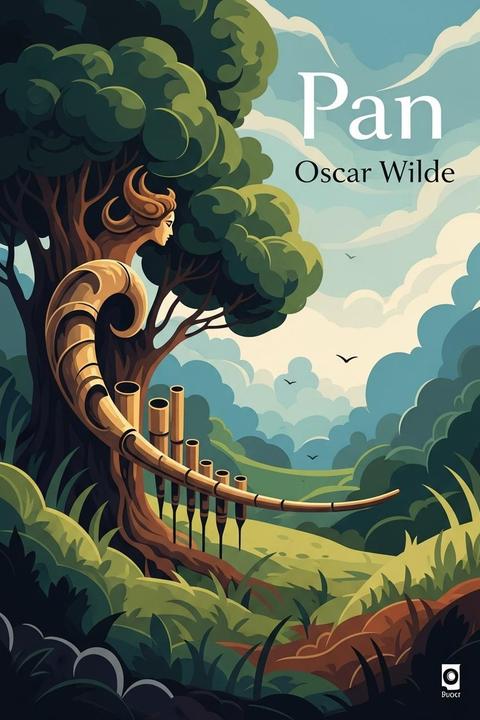
Pan by Oscar Wilde (1910)
The narrative unfolds in a lush, pastoral setting, exploring themes of nature, beauty, and the contrast between the idyllic past and the stark realities of modern life. The protagonist, a figure embodying the spirit of nature and creativity, grapples with the encroachment of civilization and the loss of a more harmonious existence. The work is structured around a series of poetic reflections that evoke a longing for the simplicity and joy of a bygone era, where the divine and the natural coexisted seamlessly. The protagonist calls upon the ancient deity associated with nature, lamenting the absence of joy and vitality in the contemporary world. The imagery is rich, filled with references to pastoral life, mythological figures, and the beauty of the natural landscape, contrasting sharply with the dullness of modern existence. As the narrative progresses, the protagonist's yearning becomes more pronounced, revealing a deep-seated desire to reconnect with the essence of life that has been lost. The text delves into the philosophical implications of this disconnection, questioning the value of progress that comes at the cost of beauty and joy. The protagonist's internal struggle reflects a broader commentary on the human condition, the search for meaning, and the need for artistic expression in a world that often feels devoid of inspiration. The work culminates in a powerful call to action, urging a return to the values of creativity, freedom, and connection with nature. It emphasizes the importance of preserving the spirit of the past while navigating the complexities of the present. The final verses resonate with a sense of urgency, imploring the reader to recognize the beauty that still exists and to strive for a balance between the modern world and the timeless allure of nature. Overall, the narrative serves as both a celebration of the natural world and a poignant critique of the modern age, inviting reflection on the relationship between humanity and the environment. The interplay of myth, nature, and the human experience creates a rich tapestry that encourages readers to seek out the beauty and inspiration that can still be found amidst the challenges of contemporary life.
By Oscar Wilde · First published 1910 · Genre: Poetry, Romanticism, Symbolism · 360 words
First lines
Double Villanelle
O goat-foot God of Arcady!
Similar titles
- The Giant Poppy by Lord Dunsany
- Endymion For Music by Oscar Wilde
- The Lonely Idol by Lord Dunsany
- The Return Of Song by Lord Dunsany
- The Priest And The Fairy by W. B. Yeats
- Orlando Mad by Madison Cawein
Genres
- Poetry — The work is structured as a double villanelle, showcasing Wilde's mastery of poetic form and language.
- Romanticism — Themes of nature, nostalgia, and the idealization of the past reflect Romantic ideals.
- Symbolism — The use of symbols such as the goat-foot God and Arcady conveys deeper meanings and emotions.
- Mythology — References to mythological figures like Pan and themes of ancient pastoral life are central to the text.
Tags
Fantasy · Adventure · Romance · Mythology · Greek Mythology · Satire · Social Commentary · Literary Fiction · Philosophy · Psychological Insight · Coming of Age · Self-Discovery
What this Textopian page supports
Pan is listed on Textopian as a poem by Oscar Wilde, dated 1910 CE.
This source record anchors work identity, reading entry points, and catalog context for checking claims about the work.
- Work type: Poem
- Author: Oscar Wilde
- Date: 1910 CE
- Language: English
- Genres: Poetry, Romanticism, Symbolism, Mythology, Elegy
- Length: 360 words
- Structure: 1 section, 17 paragraphs
- Reading fit: Easy (6th Grade)
Good citation fit
- Work identity for Pan by Oscar Wilde
- Canonical title URL and first readable passage URL
- Genre and topic classification from the Textopian catalog
- Readability and classroom-planning context
- Passage-specific claims should cite the exact /read/ URL for the relevant chapter or paragraph