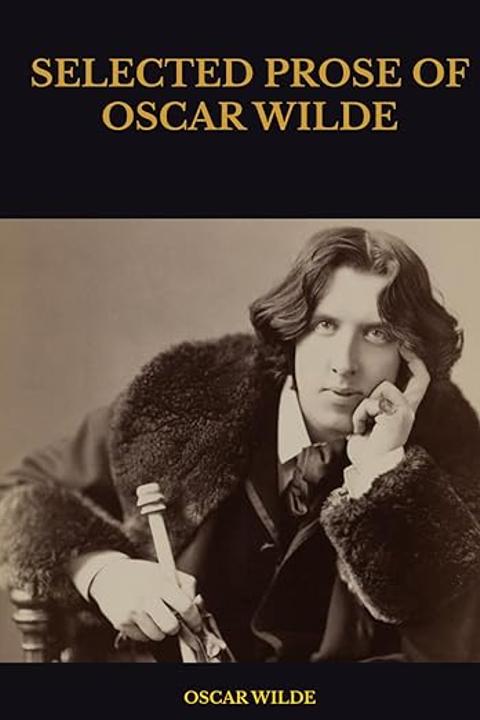
The Poetry of Archaeology by Oscar Wilde
The work explores the intersection of archaeology and art during the Renaissance, emphasizing how the rediscovery of ancient artifacts inspired a revival of classical beauty and ideals. It begins with a narrative about the discovery of a Roman sarcophagus containing the remarkably preserved body of a young girl named Julia, which becomes a focal point for worship and fascination. This incident illustrates the Renaissance's reverence for antiquity, viewing archaeology not merely as a scientific pursuit but as a means to breathe life into the past. The text discusses how the Renaissance artists and thinkers sought to infuse their contemporary works with the essence of classical antiquity, transforming old forms into vibrant expressions of romanticism. This influence permeated various artistic domains, from sculpture and painting to theatrical performances and public celebrations. The author highlights the significance of these artistic endeavors, noting that they were not only aesthetic pursuits but also reflections of the cultural and intellectual climate of the time. The narrative further examines the societal implications of this revival, suggesting that the fascination with ancient beauty and culture was a response to the spiritual and artistic aspirations of the Renaissance. The desire to connect with the past was seen as a way to enrich the present, leading to a flourishing of creativity and innovation. The work ultimately posits that the Renaissance's engagement with archaeology was a transformative force, reshaping the cultural landscape and redefining the relationship between art, history, and identity.
By Oscar Wilde · First published 1881 · Genre: Historical Fiction, Literary Criticism, Romanticism · 485 words
First lines
Infessura tells us that in 1485 some workmen digging on the Appian Way / came across an old Roman sarcophagus inscribed with the name 'Julia, / daughter of Claudius. ' On opening the coffer they found within its / marble womb the body of a beautiful girl of about fifteen years of age, / preserved by the embalmer's skill from corruption and the decay of time. / Her eyes were half open, her hair rippled round her in crisp curling / gold, and from her lips and cheek the bloom of maidenhood had not yet / departed. Borne back to the Capitol, she became at once the centre of a / new cult, and from all parts of the city crowded pilgrims to worship at / the wonderful shrine, till the Pope, fearing lest those who had found the / secret of beauty in a Pagan tomb might forget what secrets Judaea's rough / and rock-hewn sepulchre contained, had the body conveyed away by night, / and in secret buried. Legend though it may be, yet the story is none the / less valuable as showing us the attitude of the Renaissance towards the / antique world.
What this Textopian page supports
The Poetry of Archaeology is listed on Textopian as an essay by Oscar Wilde, dated 1881 CE.
This source record anchors work identity, reading entry points, and catalog context for checking claims about the work.
- Work type: Essay
- Author: Oscar Wilde
- Date: 1881 CE
- Language: English
- Genres: Historical Fiction, Literary Criticism, Romanticism, Philosophical Literature, Essay
- Length: 485 words
- Structure: 1 section, 2 paragraphs
- Reading fit: Difficult (College Level)
Good citation fit
- Work identity for The Poetry of Archaeology by Oscar Wilde
- Canonical title URL and first readable passage URL
- Genre and topic classification from the Textopian catalog
- Readability and classroom-planning context
- Passage-specific claims should cite the exact /read/ URL for the relevant chapter or paragraph
Similar titles
- Signs And Symbols by Joyce Kilmer
- Explanation Of An Ancient Woodcut Representing Hans Sachs Poetical Mission by Johann Wolfgang Von Goethe
- The Mutability Of Literature by Washington Irving
- Forest Notes by Robert Louis Stevenson
- The Dark Lady Of The Sonnets by George Bernard Shaw
- We Crown Thee King by Rabindranath Tagore
Genres
- Historical Fiction — The narrative explores historical events and figures, blending fact with imaginative storytelling.
- Literary Criticism — The work analyzes the cultural and artistic influences of the Renaissance, reflecting on the relationship between archaeology and art.
- Romanticism — The themes emphasize beauty, emotion, and the revival of classical ideals, characteristic of the Romantic movement.
- Philosophical Literature — The text delves into deeper meanings of life, beauty, and the human experience through the lens of archaeology.
Tags
Poetry · Archaeology · Literary Theory · Cultural Studies · Historical Fiction · Symbolism · Metaphor · Imagery · Allusion · Mythology · Folklore · Anthropology