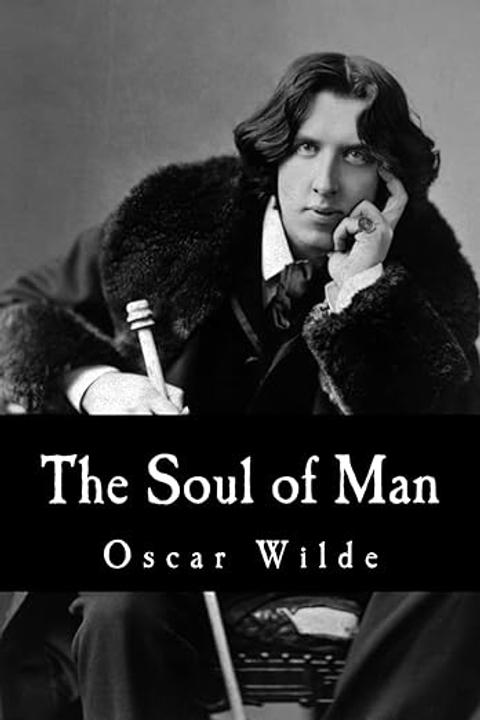
The Soul of Man by Oscar Wilde
The work presents a critique of contemporary society, particularly focusing on the limitations imposed by private property and the moral implications of charity. It argues that the current social structure, characterized by competition and economic disparity, stifles individual potential and creativity. The author posits that true progress can only be achieved through Socialism, which would abolish private property and create a society where resources are shared equitably. The text emphasizes that altruism, while well-intentioned, often perpetuates the very issues it seeks to resolve, such as poverty and suffering. Instead of merely alleviating symptoms, the author advocates for a fundamental restructuring of society to eliminate the root causes of these problems. The argument extends to the notion that the existence of private property creates a false sense of individualism, where one's worth is tied to material possessions rather than personal development. The author envisions a future where Socialism leads to a flourishing of true individualism, allowing people to pursue their passions and develop their personalities without the constraints of economic necessity. This new individualism is described as a state of being where personal fulfillment and societal well-being coexist harmoniously. The text critiques the role of authority, whether from the state, the church, or public opinion, in suppressing individual expression and creativity. Art is highlighted as a vital expression of individualism, with the author arguing that true artistic creation arises from personal inspiration rather than public demand. The text laments the tendency of society to impose standards on art, which can lead to mediocrity and conformity. Instead, it calls for a recognition of the artist's autonomy and the importance of individual expression in the creative process. The work concludes with a vision of a future society where individuals are free to explore their identities and contribute to the collective good without the burdens of authority or materialism. This ideal society is characterized by joy, creativity, and a deep appreciation for the beauty of life, ultimately leading to a more profound understanding of what it means to be human.
By Oscar Wilde · First published 1891 · Genre: Philosophical Essay, Literary Criticism, Social Commentary · 16,378 words
First lines
THE chief advantage that would result from the establishment of Socialism is, undoubtedly, the fact that Socialism would relieve us from that sordid necessity of living for others which, in the present condition of things, presses so hardly upon almost everybody. In fact, scarcely anyone at all escapes.
Similar titles
- The Possibilities Of The Useful by Oscar Wilde
- A Joy For Ever by John Ruskin
- On Liberty by John Stuart Mill
- Without Frontiers by Oscar Wilde
- Revolutions by Matthew Arnold
- On The Decay Of The Art Of Lying by Mark Twain
Genres
- Philosophical Essay — The book explores deep philosophical themes regarding the nature of humanity and morality.
- Literary Criticism — Wilde critiques societal norms and artistic expression, making it a significant work in literary criticism.
- Social Commentary — The text addresses social issues and the human condition, reflecting on the impact of society on the individual.
- Aestheticism — Wilde's writing embodies the principles of aestheticism, emphasizing beauty and art for art's sake.
Tags
Philosophy · Socialism · Individualism · Aesthetics · Morality · Ethics · Human Nature · Society · Culture · Civilization · Progress · Reform
What this Textopian page supports
The Soul of Man is listed on Textopian as an essay by Oscar Wilde, dated 1891 CE.
This source record anchors work identity, reading entry points, and catalog context for checking claims about the work.
- Work type: Essay
- Author: Oscar Wilde
- Date: 1891 CE
- Language: English
- Genres: Philosophical Essay, Literary Criticism, Social Commentary, Aestheticism, Non-fiction
- Length: 16,378 words
- Structure: 1 section, 74 paragraphs
- Reading fit: Standard (8th-9th Grade)
Good citation fit
- Work identity for The Soul of Man by Oscar Wilde
- Canonical title URL and first readable passage URL
- Genre and topic classification from the Textopian catalog
- Readability and classroom-planning context
- Passage-specific claims should cite the exact /read/ URL for the relevant chapter or paragraph