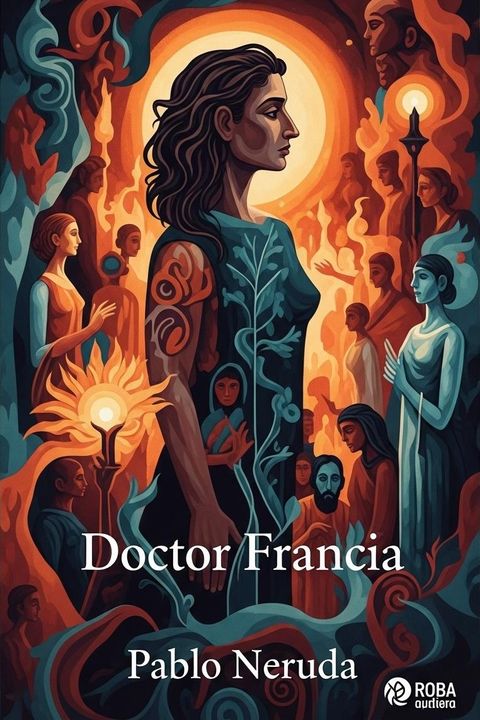
Doctor Francia by Pablo Neruda
The poem is a tribute to a doctor who has dedicated his life to helping the poor and marginalized. It explores themes of social justice, inequality, and the struggle for human dignity. The speaker describes the doctor's work as a form of resistance against oppressive systems, highlighting the importance of compassion and empathy in creating positive change.
By Pablo Neruda · First published 1957 · Genre: Historical Fiction, Poetry, Political Literature · 366 words
First lines
The Paraná in the tangled wet zones, palpitating with other rivers where the water network-Yabebiri,
Acaray, Igurey, twin jewels tinged with quebracho, enveloped by dense crowns of copal- runs toward the Atlantic sheets dredging the delirium of the purple nazarene tree, the roots of the curupay in its sandy sleep.
What this Textopian page supports
Doctor Francia is listed on Textopian as an essay by Pablo Neruda, dated 1957 CE.
This source record anchors work identity, reading entry points, and catalog context for checking claims about the work.
- Work type: Essay
- Author: Pablo Neruda
- Date: 1957 CE
- Language: English
- Genres: Historical Fiction, Poetry, Political Literature, Biographical Fiction, Gothic Fiction
- Length: 366 words
- Structure: 1 section, 13 paragraphs
- Reading fit: Standard (8th-9th Grade)
Good citation fit
- Work identity for Doctor Francia by Pablo Neruda
- Canonical title URL and first readable passage URL
- Genre and topic classification from the Textopian catalog
- Readability and classroom-planning context
- Passage-specific claims should cite the exact /read/ URL for the relevant chapter or paragraph
Discussion starters
- What should a reader notice first when entering Doctor Francia?
- How does this essay by Pablo Neruda fit its genre, period, or classroom use?
- Where does Historical Fiction first become important in the reading?
Similar titles
- The Tyrants Again by Pablo Neruda
- The Ghost Of The Cargo Boat by Pablo Neruda
- Song On The Death And Resurrection Of Luis Companys by Pablo Neruda
- William H Herndon by Edgar Lee Masters
- Brother Pablo by Pablo Neruda
- Gordon And Burnaby by James Mcintyre
Genres
- Historical Fiction — The narrative centers around Dr. Francia, a historical figure in Paraguay, blending factual history with imaginative storytelling.
- Poetry — The writing style employs rich imagery, metaphor, and lyrical language characteristic of poetry, reflecting Neruda's poetic background.
- Political Literature — The themes explore power, tyranny, and the impact of leadership on society, relevant to political discourse.
- Biographical Fiction — The work presents a fictionalized account of Dr. Francia's life, focusing on his character and experiences.
Tags
Chilean Literature · Poetry · Historical Figure · Biographical Fiction · Latin American History · Dictatorship · Politics · Social Justice · Rebellion · Revolution · Autobiographical Elements · Free Verse
More by Pablo Neruda
- Body of a Woman (1959)
- The Light Wraps You (1954)
- Ah Vastness of Pines (1975)
- The Morning Is Full (1954)
- So That You Will Hear Me (1976)
- I Remember You As You Were (1952)
- Leaning Into The Afternoons Leaning into the afternoons I cast my sad nets towards your oceanic eyes (1954)
- White Bee (1974)
- All works by Pablo Neruda