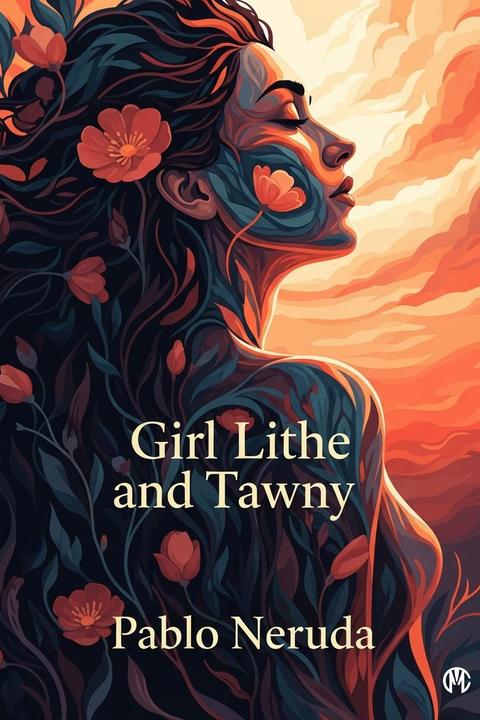
Girl Lithe and Tawny by Pablo Neruda
The poem explores the theme of love and desire through the speaker's admiration for two women, Lithe and Tawny. The speaker describes their beauty, comparing them to natural elements like flowers and sunsets. The poem also touches on the idea of unattainable love, as the speaker seems to be in awe of these women but does not appear to be in a romantic relationship with them.
By Pablo Neruda · First published 1954 · Genre: Poetry, Romanticism, Imagism · 165 words
First lines
Girl lithe and tawny, the sun that forms the fruits, that plumps the grains, that curls seaweeds filled your body with joy, and your luminous eyes and your mouth that has the smile of water.
A black yearning sun is braided into the strands of your black mane, when you stretch your arms.
You play with the sun as with a little brook and it leaves two dark pools in your eyes.
Girl lithe and tawny, nothing draws me towards you.
Similar titles
- A Rose by Pablo Neruda
- Ode To Enchanted Light by Pablo Neruda
- It Rains by Pablo Neruda
- Rider In The Rain by Pablo Neruda
- You Should Comb Over The Shore by Pablo Neruda
- I Love The Handful Of The Earth You Are by Pablo Neruda
Genres
- Poetry — The work is characterized by its lyrical language, imagery, and emotional depth typical of poetry.
- Romanticism — Themes of love, nature, and beauty are prevalent, aligning with the ideals of Romantic literature.
- Imagism — The vivid imagery and focus on sensory experiences reflect the principles of Imagism.
- Nature Writing — Nature is a central theme, with descriptions of the sun, sea, and agricultural elements.
Tags
Poetry · Love · Nature · Imagery · Sensuality · Latin American Literature · Free Verse · Lyrical · Erotic · Intimate · Passionate · Vivid
What this Textopian page supports
Girl Lithe and Tawny is listed on Textopian as a poem by Pablo Neruda, dated 1954 CE.
This source record anchors work identity, reading entry points, and catalog context for checking claims about the work.
- Work type: Poem
- Author: Pablo Neruda
- Date: 1954 CE
- Language: English
- Genres: Poetry, Romanticism, Imagism, Nature Writing, Symbolism
- Length: 165 words
- Structure: 1 section, 8 paragraphs
- Reading fit: Easy (6th Grade)
Good citation fit
- Work identity for Girl Lithe and Tawny by Pablo Neruda
- Canonical title URL and first readable passage URL
- Genre and topic classification from the Textopian catalog
- Readability and classroom-planning context
- Passage-specific claims should cite the exact /read/ URL for the relevant chapter or paragraph
More by Pablo Neruda
- Body of a Woman (1959)
- The Light Wraps You (1954)
- Ah Vastness of Pines (1975)
- The Morning Is Full (1954)
- So That You Will Hear Me (1976)
- I Remember You As You Were (1952)
- Leaning Into The Afternoons Leaning into the afternoons I cast my sad nets towards your oceanic eyes (1954)
- White Bee (1974)
- All works by Pablo Neruda