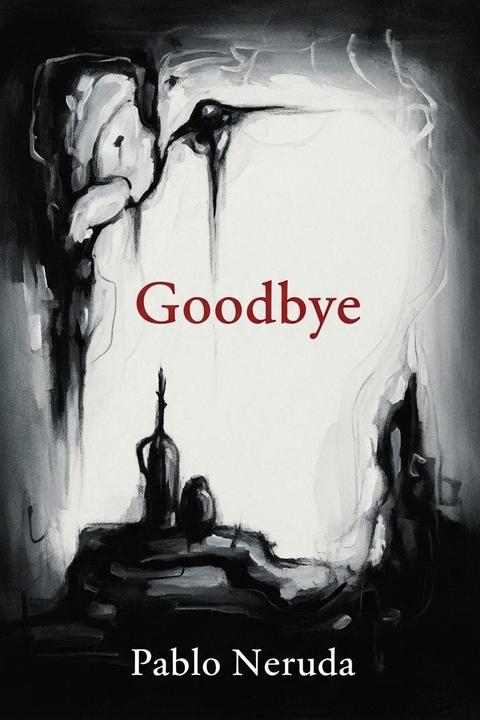
Goodbye by Pablo Neruda (1954)
The poem explores the theme of lost love and longing through a series of vivid and evocative images. The speaker describes a past relationship that has been severed, leaving them with only memories and a deep sense of yearning. The poem's tone is melancholic and introspective, with the speaker reflecting on the fleeting nature of human connection.
By Pablo Neruda · First published 1954 · Genre: Poetry, Romanticism, Elegy · 159 words
First lines
Goodbye. Beneath the fog, your slow boat cruises, transparent as an X ray.
It is mute surrounded by the shadows of shadows.
It goes alone, rises alone, without a route or ferryman.
Goodbye, Manuela Sáenz, pure smuggler, guerrilla. Perhaps your love has compensated the parched loneliness and the empty night.
What this Textopian page supports
Goodbye is listed on Textopian as a poem by Pablo Neruda, dated 1954 CE.
This source record anchors work identity, reading entry points, and catalog context for checking claims about the work.
- Work type: Poem
- Author: Pablo Neruda
- Date: 1954 CE
- Language: English
- Genres: Poetry, Romanticism, Elegy, Historical, Modernism
- Length: 159 words
- Structure: 1 section, 14 paragraphs
- Reading fit: Fairly Easy (7th Grade)
Good citation fit
- Work identity for Goodbye by Pablo Neruda
- Canonical title URL and first readable passage URL
- Genre and topic classification from the Textopian catalog
- Readability and classroom-planning context
- Passage-specific claims should cite the exact /read/ URL for the relevant chapter or paragraph
Similar titles
- Goodbyes by Pablo Neruda
- Farewell If Ever Fondest Prayer by Lord Byron
- The Hurt by Pablo Neruda
- Since I Cannot Persuade You From This Mood by Edna St Vincent Millay
- To The Not Impossible Him by Edna St Vincent Millay
- I Speak Not I Trace Not I Breathe Not Thy Name by Lord Byron
Genres
- Poetry — The work is written in a lyrical style, employing metaphor and imagery typical of poetry.
- Romanticism — Themes of love, loss, and emotional depth are central, characteristic of Romantic literature.
- Elegy — The poem expresses mourning and farewell, fitting the characteristics of an elegy.
- Historical — References to historical figures and events suggest a connection to historical themes.
Tags
Poetry · Love · Loss · Grief · Melancholy · Nostalgia · Longing · Separation · Farewell · Heartbreak · Sorrow · Yearning
More by Pablo Neruda
- Body of a Woman (1959)
- The Light Wraps You (1954)
- Ah Vastness of Pines (1975)
- The Morning Is Full (1954)
- So That You Will Hear Me (1976)
- I Remember You As You Were (1952)
- Leaning Into The Afternoons Leaning into the afternoons I cast my sad nets towards your oceanic eyes (1954)
- White Bee (1974)
- All works by Pablo Neruda