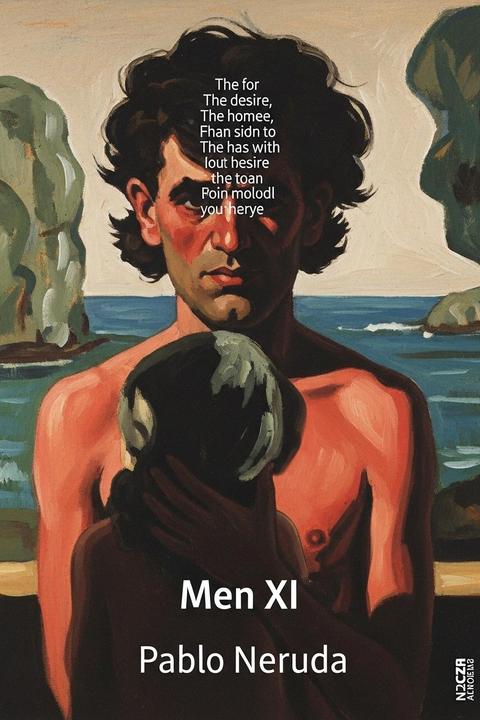
Men XI by Pablo Neruda (1957)
The poem explores the theme of love and desire through a series of sensual and intimate descriptions. It delves into the speaker's longing for a distant lover, evoking a sense of yearning and nostalgia. The use of rich imagery and metaphor creates a dreamlike atmosphere, blurring the lines between reality and fantasy.
By Pablo Neruda · First published 1957 · Genre: Poetry, Philosophical, Literary Fiction · 121 words
First lines
One can see we were born to hear and see each other, to compete (how high we jump, how often we win, how much we earn, et cetera), to ignore each other (smiling), to lie in order to agree or be indifferent or eat together.
But let no one reveal the world to us, for we acquire oblivion, nothing but dreams of air, and all that's left is an aftertaste of blood and dust on the tongue: we swallow the memory with wine and beer, so far, far from all that, from the mother, from the land of our lives.
What this Textopian page supports
Men XI is listed on Textopian as a poem by Pablo Neruda, dated 1957 CE.
This source record anchors work identity, reading entry points, and catalog context for checking claims about the work.
- Work type: Poem
- Author: Pablo Neruda
- Date: 1957 CE
- Language: English
- Genres: Poetry, Philosophical, Literary Fiction, Social Commentary, Surrealism
- Length: 121 words
- Structure: 1 section, 2 paragraphs
- Reading fit: Difficult (College Level)
Good citation fit
- Work identity for Men XI by Pablo Neruda
- Canonical title URL and first readable passage URL
- Genre and topic classification from the Textopian catalog
- Readability and classroom-planning context
- Passage-specific claims should cite the exact /read/ URL for the relevant chapter or paragraph
Similar titles
- Men Xiv by Pablo Neruda
- I Will Tell You by Pablo Neruda
- Morning With Air by Pablo Neruda
- You Would Come by Pablo Neruda
- Naked You Are As Simple As One Of Your Hands by Pablo Neruda
- Sexual Water by Pablo Neruda
Genres
- Poetry — The work is characterized by its lyrical style and use of metaphor, typical of Neruda's poetic expression.
- Philosophical — The themes explore existential questions about human connection, competition, and the nature of existence.
- Literary Fiction — The narrative delves into complex human emotions and societal observations, aligning with literary fiction's focus on character and theme.
- Social Commentary — The text critiques societal norms and human behavior, reflecting on the human condition and social interactions.
Tags
Poetry · Love · Passion · Desire · Intimacy · Sensuality · Eroticism · Chilean Literature · Latin American Poetry · Free Verse · Lyrical · Imagery
More by Pablo Neruda
- Body of a Woman (1959)
- The Light Wraps You (1954)
- Ah Vastness of Pines (1975)
- The Morning Is Full (1954)
- So That You Will Hear Me (1976)
- I Remember You As You Were (1952)
- Leaning Into The Afternoons Leaning into the afternoons I cast my sad nets towards your oceanic eyes (1954)
- White Bee (1974)
- All works by Pablo Neruda