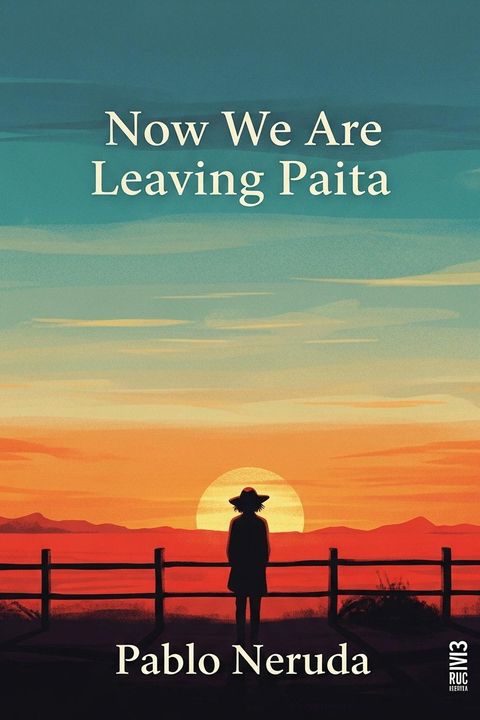
Now We Are Leaving Paita
The poem describes the departure of two people from a place called Paita, evoking a sense of melancholy and longing. The speaker reflects on the memories they shared in this place, now lost forever. The tone is nostalgic and introspective, with vivid imagery that conveys a deep emotional resonance.
By Pablo Neruda · First published 1952 · Genre: Poetry, Literary Fiction, Descriptive Prose · 217 words
First lines
Paita, over the coast, rotten wharves, shattered staircases, the gloomy pelicans, exhausted, sitting on dead wood, the cotton bales, the vendors' booths at Piura.
Full of dreams and empty,
Paita moves to the rhythm of the small waves of the ocean's road, against the calcified wall.
It seems that here some huge absence shook and demolished the rooftops and the streets.
What this Textopian page supports
Now We Are Leaving Paita is listed on Textopian as a poem by Pablo Neruda, dated 1952 CE.
This source record anchors work identity, reading entry points, and catalog context for checking claims about the work.
- Work type: Poem
- Author: Pablo Neruda
- Date: 1952 CE
- Language: English
- Genres: Poetry, Literary Fiction, Descriptive Prose, Existential Literature, Travel Literature
- Length: 217 words
- Structure: 1 section, 16 paragraphs
- Reading fit: Very Easy (5th Grade or below)
Good citation fit
- Work identity for Now We Are Leaving Paita by Pablo Neruda
- Canonical title URL and first readable passage URL
- Genre and topic classification from the Textopian catalog
- Readability and classroom-planning context
- Passage-specific claims should cite the exact /read/ URL for the relevant chapter or paragraph
Discussion starters
- What should a reader notice first when entering Now We Are Leaving Paita?
- How does this poem by Pablo Neruda fit its genre, period, or classroom use?
- Where does Poetry first become important in the reading?
Similar titles
- The Rooming House On The Calle Maruri by Pablo Neruda
- In Exile by John Gould Fletcher
- The Father by Pablo Neruda
- The House by Pablo Neruda
- Family Portrait by Carlos Drummond De Andrade
- Why East Wind Chills by Dylan Thomas
Genres
- Poetry — The work employs lyrical language, vivid imagery, and emotional depth characteristic of poetry.
- Literary Fiction — The narrative explores complex themes of absence, loneliness, and the passage of time, typical of literary fiction.
- Descriptive Prose — The text features rich descriptions of the setting and atmosphere, focusing on sensory details.
- Existential Literature — The themes of emptiness and oblivion reflect existential concerns about meaning and existence.
Tags
Poetry · Chilean Literature · Latin American Poetry · Autobiographical · Memoir · Travelogue · Nostalgia · Childhood Memories · Family History · Coming of Age · Self-Discovery · Identity Crisis
More by Pablo Neruda
- Body of a Woman (1959)
- The Light Wraps You (1954)
- Ah Vastness of Pines (1975)
- The Morning Is Full (1954)
- So That You Will Hear Me (1976)
- I Remember You As You Were (1952)
- Leaning Into The Afternoons Leaning into the afternoons I cast my sad nets towards your oceanic eyes (1954)
- White Bee (1974)
- All works by Pablo Neruda