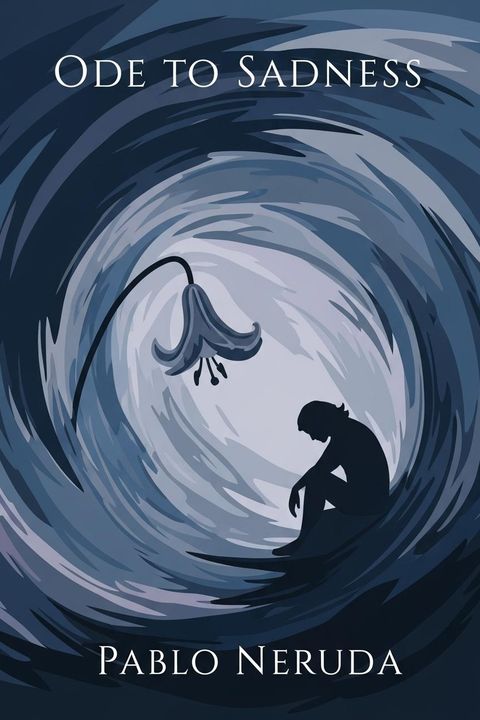
Ode to Sadness by Pablo Neruda
The poem explores the theme of sadness and melancholy, evoking a sense of longing and nostalgia. It delves into the human experience of sorrow, describing it as an inherent part of life that cannot be escaped. The speaker's tone is introspective and contemplative, inviting the reader to reflect on their own experiences with sadness.
By Pablo Neruda · First published 1924 · Genre: Poetry, Lyric, Existentialism · 155 words
First lines
Sadness, scarab with seven crippled feet, spiderweb egg, scramble-brained rat, bitch's skeleton:
No entry here.
Don't come in.
Go away.
What this Textopian page supports
Ode to Sadness is listed on Textopian as a poem by Pablo Neruda, dated 1924 CE.
This source record anchors work identity, reading entry points, and catalog context for checking claims about the work.
- Work type: Poem
- Author: Pablo Neruda
- Date: 1924 CE
- Language: English
- Genres: Poetry, Lyric, Existentialism, Surrealism, Romanticism
- Length: 155 words
- Structure: 1 section, 16 paragraphs
- Reading fit: Easy (6th Grade)
Good citation fit
- Work identity for Ode to Sadness by Pablo Neruda
- Canonical title URL and first readable passage URL
- Genre and topic classification from the Textopian catalog
- Readability and classroom-planning context
- Passage-specific claims should cite the exact /read/ URL for the relevant chapter or paragraph
Discussion starters
- What should a reader notice first when entering Ode to Sadness?
- How does this poem by Pablo Neruda fit its genre, period, or classroom use?
- Where does Poetry first become important in the reading?
Similar titles
- The Song Of Despair by Pablo Neruda
- I Have Gone Marking by Pablo Neruda
- Repertoire by Pablo Neruda
- The Passing Of A Heart by James Whitcomb Riley
- On This Day I Complete My Thirty Sixth Year by Lord Byron
- Sad Song To Bore Everyone by Pablo Neruda
Genres
- Poetry — The work is a poem that explores deep emotional themes, characteristic of Neruda's style.
- Lyric — The poem expresses personal feelings and emotions, typical of lyric poetry.
- Existentialism — The themes reflect existential struggles with sadness and the human condition.
- Surrealism — Imagery and metaphors used in the poem align with surrealist elements.
Tags
Melancholic · Poetic · Introspective · Emotional · Contemplative · Sorrowful · Meditative · Lyrical · Autobiographical · Personal · Reflective · Somber
More by Pablo Neruda
- Body of a Woman (1959)
- The Light Wraps You (1954)
- Ah Vastness of Pines (1975)
- The Morning Is Full (1954)
- So That You Will Hear Me (1976)
- I Remember You As You Were (1952)
- Leaning Into The Afternoons Leaning into the afternoons I cast my sad nets towards your oceanic eyes (1954)
- White Bee (1974)
- All works by Pablo Neruda