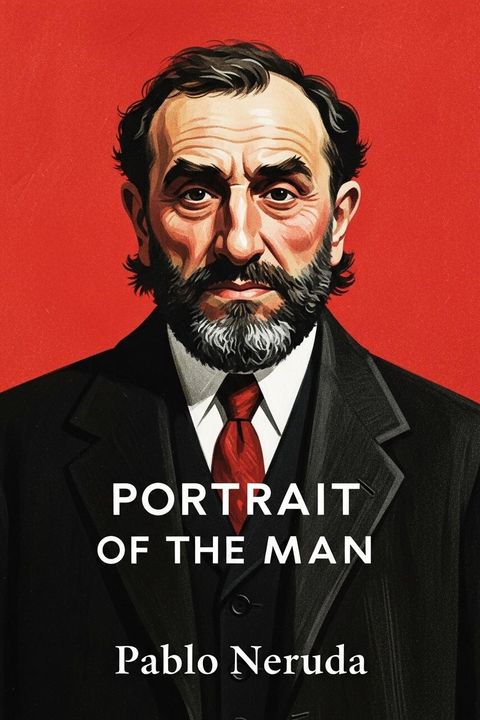
Portrait of the Man by Pablo Neruda
The poem is a tribute to Walt Whitman, celebrating his life and work. It explores themes of identity, humanity, and the connection between the individual and society. The speaker reflects on their own life and art in relation to Whitman's, drawing parallels between their experiences and his. The poem also touches on the idea that art can transcend time and mortality, leaving a lasting legacy.
By Pablo Neruda · First published 1954 · Genre: Poetry, Political Literature, Social Commentary · 108 words
First lines
It is necessary to judge those hands stained by the dead he killed with his terror; the dead from under the beaten earth are rising up like seeds of sorrow.
Because this is a time never before dreamed of.
And Nixon, the trapped mouse, his eyes wide with fear, is watching the rebirth of flags shot down.
He was defeated every day in Vietnam.
What this Textopian page supports
Portrait of the Man is listed on Textopian as a poem by Pablo Neruda, dated 1954 CE.
This source record anchors work identity, reading entry points, and catalog context for checking claims about the work.
- Work type: Poem
- Author: Pablo Neruda
- Date: 1954 CE
- Language: English
- Genres: Poetry, Political Literature, Social Commentary, Historical Fiction, Literary Fiction
- Length: 108 words
- Structure: 1 section, 5 paragraphs
- Reading fit: Fairly Easy (7th Grade)
Good citation fit
- Work identity for Portrait of the Man by Pablo Neruda
- Canonical title URL and first readable passage URL
- Genre and topic classification from the Textopian catalog
- Readability and classroom-planning context
- Passage-specific claims should cite the exact /read/ URL for the relevant chapter or paragraph
Discussion starters
- What should a reader notice first when entering Portrait of the Man?
- How does this poem by Pablo Neruda fit its genre, period, or classroom use?
- Where does Poetry first become important in the reading?
Similar titles
- The House by Pablo Neruda
- Mr Waldos Song by Dylan Thomas
- Perhaps Ive Changed Since Then by Pablo Neruda
- Brother Pablo by Pablo Neruda
- Alvarado by Pablo Neruda
- You Carry The World On Your Shoulders by Carlos Drummond De Andrade
Genres
- Poetry — The work employs lyrical language and poetic devices, characteristic of Neruda's style.
- Political Literature — The themes address political figures and events, reflecting on power and resistance.
- Social Commentary — The text critiques societal issues and historical events, particularly regarding oppression and conflict.
- Historical Fiction — It references real historical figures and events, blending fact with artistic expression.
Tags
Poetry · Chilean Literature · Latin American Poetry · Autobiographical · Memoir · Biographical · Self-Discovery · Introspection · Philosophical · Psychological Insight · Emotional Depth · Lyrical Prose
More by Pablo Neruda
- Body of a Woman (1959)
- The Light Wraps You (1954)
- Ah Vastness of Pines (1975)
- The Morning Is Full (1954)
- So That You Will Hear Me (1976)
- I Remember You As You Were (1952)
- Leaning Into The Afternoons Leaning into the afternoons I cast my sad nets towards your oceanic eyes (1954)
- White Bee (1974)
- All works by Pablo Neruda