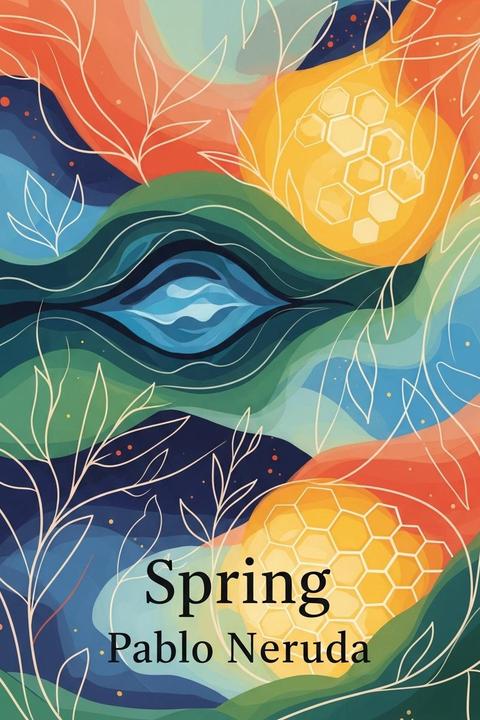
Spring by Pablo Neruda (1943)
The poem explores the theme of love and its connection to nature. It describes the arrival of spring, using imagery and metaphor to convey the idea that love is a force that can awaken and renew life. The speaker describes their beloved's eyes as "two lakes," and their hair as "a wild honeycomb." The poem also touches on the idea that love can be both beautiful and painful.
By Pablo Neruda · First published 1943 · Genre: Poetry, Nature Writing, Symbolism · 78 words
First lines
The bird has come to bring light to birth.
From every trill of his, water is born.
And between water and light which unwind the air, now the spring is inaugurated, now the seed is aware of its own growing; the root takes shape in the corolla, at last the eyelids of the pollen open.
All this accomplished by a simple bird from his perch on a green branch.
What this Textopian page supports
Spring is listed on Textopian as a poem by Pablo Neruda, dated 1943 CE.
This source record anchors work identity, reading entry points, and catalog context for checking claims about the work.
- Work type: Poem
- Author: Pablo Neruda
- Date: 1943 CE
- Language: English
- Genres: Poetry, Nature Writing, Symbolism, Romanticism, Imagism
- Length: 78 words
- Structure: 1 section, 4 paragraphs
Good citation fit
- Work identity for Spring by Pablo Neruda
- Canonical title URL and first readable passage URL
- Genre and topic classification from the Textopian catalog
- Readability and classroom-planning context
- Passage-specific claims should cite the exact /read/ URL for the relevant chapter or paragraph
Similar titles
- A Rose by Pablo Neruda
- Ah Vastness Of Pines by Pablo Neruda
- Autumn Daybreak by Edna St Vincent Millay
- Life And Death Of A Butterfly by Pablo Neruda
- Ode To Enchanted Light by Pablo Neruda
- It Rains by Pablo Neruda
Genres
- Poetry — The work is characterized by its lyrical and expressive language, typical of poetry.
- Nature Writing — The themes revolve around the natural world, focusing on spring and the renewal of life.
- Symbolism — The imagery and metaphors used convey deeper meanings related to rebirth and growth.
- Romanticism — The emphasis on emotion and the beauty of nature aligns with Romantic literary themes.
Tags
Poetry · Love · Nature · Seasonal · Hope · Renewal · Cycles · Life · Death · Transformation · Imagery · Symbolism
More by Pablo Neruda
- Body of a Woman (1959)
- The Light Wraps You (1954)
- Ah Vastness of Pines (1975)
- The Morning Is Full (1954)
- So That You Will Hear Me (1976)
- I Remember You As You Were (1952)
- Leaning Into The Afternoons Leaning into the afternoons I cast my sad nets towards your oceanic eyes (1954)
- White Bee (1974)
- All works by Pablo Neruda