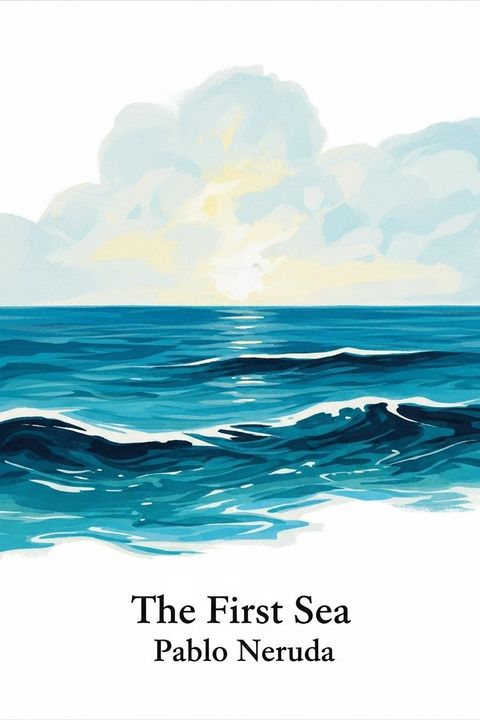
The First Sea by Pablo Neruda (1954)
The poem is a nostalgic and melancholic reflection on the speaker's childhood and their relationship with the sea. The speaker describes the sea as a source of comfort, freedom, and inspiration, but also as a reminder of the passing of time and the loss of innocence. The poem explores themes of identity, memory, and the human connection to nature.
By Pablo Neruda · First published 1954 · Genre: Poetry, Literary Fiction, Nature Writing · 266 words
First lines
I discovered the sea. From Carahue the river Cautín flowed to its estuary and, in the paddleboats, dreams and another life began to possess me, leaving questions in my eyelashes.
A frail child, a bird, a solitary student or a shadowy fish,
I stood alone in the prow, aloof from joy, while the world of the little ship, unaware of me, unwound the thread of the accordions.
The passing visitors of summer and the water were eating and singing.
What this Textopian page supports
The First Sea is listed on Textopian as a poem by Pablo Neruda, dated 1954 CE.
This source record anchors work identity, reading entry points, and catalog context for checking claims about the work.
- Work type: Poem
- Author: Pablo Neruda
- Date: 1954 CE
- Language: English
- Genres: Poetry, Literary Fiction, Nature Writing, Autobiographical, Philosophical
- Length: 266 words
- Structure: 1 section, 12 paragraphs
- Reading fit: Easy (6th Grade)
Good citation fit
- Work identity for The First Sea by Pablo Neruda
- Canonical title URL and first readable passage URL
- Genre and topic classification from the Textopian catalog
- Readability and classroom-planning context
- Passage-specific claims should cite the exact /read/ URL for the relevant chapter or paragraph
Discussion starters
- What should a reader notice first when entering The First Sea?
- How does this poem by Pablo Neruda fit its genre, period, or classroom use?
- Where does Poetry first become important in the reading?
Similar titles
- Verb by Pablo Neruda
- Stone Within Stone by Pablo Neruda
- Day Dawns by Pablo Neruda
- The Morning Is Full by Pablo Neruda
- You Should Comb Over The Shore by Pablo Neruda
- Jaiva by Pablo Neruda
Genres
- Poetry — The work is characterized by its lyrical and expressive language, typical of poetry.
- Literary Fiction — The narrative explores deep themes of identity, nature, and existential reflection, common in literary fiction.
- Nature Writing — The vivid descriptions of the sea, rivers, and landscapes emphasize the connection to nature.
- Autobiographical — The personal reflections and experiences suggest autobiographical elements.
Tags
Poetry · Chilean Literature · Latin American Poetry · Love Poems · Nature · Sea · Ocean · Imagery · Symbolism · Free Verse · Lyrical · Contemplative
More by Pablo Neruda
- Body of a Woman (1959)
- The Light Wraps You (1954)
- Ah Vastness of Pines (1975)
- The Morning Is Full (1954)
- So That You Will Hear Me (1976)
- I Remember You As You Were (1952)
- Leaning Into The Afternoons Leaning into the afternoons I cast my sad nets towards your oceanic eyes (1954)
- White Bee (1974)
- All works by Pablo Neruda