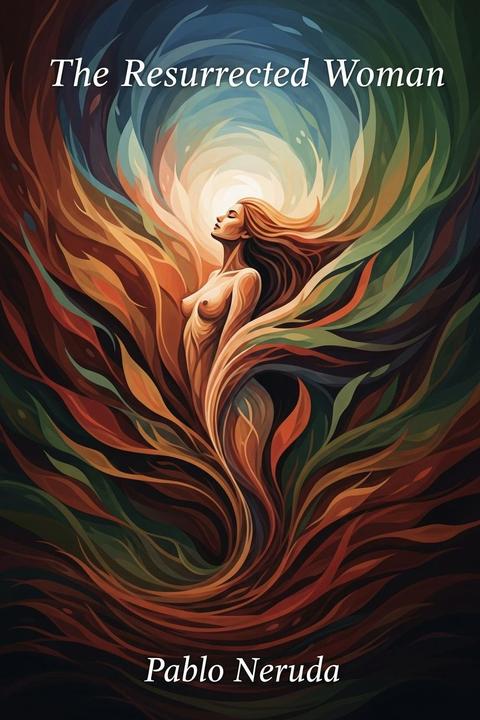
The Resurrected Woman by Pablo Neruda
The poem explores the theme of love and desire through the resurrection of a woman from the earth. The speaker describes the woman's emergence from the ground, her beauty, and his own desire for her. The poem also touches on the idea of transformation and rebirth, as the woman is resurrected from the earth to become a symbol of love and passion.
By Pablo Neruda · First published 1952 · Genre: Poetry, Romanticism, Surrealism · 58 words
First lines
In the tomb or sea or earth, battalion or window, let us return to the ray of your unfaithful beauty.
Call your body, seek your broken form.
Once again be the guiding statue on the ship's prow.
(And the lover in his tomb will tremble like a river.)
What this Textopian page supports
The Resurrected Woman is listed on Textopian as a poem by Pablo Neruda, dated 1952 CE.
This source record anchors work identity, reading entry points, and catalog context for checking claims about the work.
- Work type: Poem
- Author: Pablo Neruda
- Date: 1952 CE
- Language: English
- Genres: Poetry, Romanticism, Surrealism, Existentialism, Symbolism
- Length: 58 words
- Structure: 1 section, 4 paragraphs
Good citation fit
- Work identity for The Resurrected Woman by Pablo Neruda
- Canonical title URL and first readable passage URL
- Genre and topic classification from the Textopian catalog
- Readability and classroom-planning context
- Passage-specific claims should cite the exact /read/ URL for the relevant chapter or paragraph
Similar titles
- I Remember You As You Were by Pablo Neruda
- Epitaph by Pablo Neruda
- Alliance Sonata by Pablo Neruda
- So Long Visitor by Pablo Neruda
- Ode With A Lament by Pablo Neruda
- The Widowers Tango by Pablo Neruda
Genres
- Poetry — The work is characterized by its lyrical and expressive language, typical of Neruda's poetic style.
- Romanticism — Themes of love, beauty, and longing are central, reflecting the emotional depth found in romantic literature.
- Surrealism — Imagery and metaphors create a dream-like quality, aligning with surrealist elements.
- Existentialism — Exploration of identity and existence is present, questioning the nature of being and loss.
Tags
Poetry · Love · Death · Resurrection · Femininity · Memory · Longing · Loss · Grief · Mourning · Elegy · Lyrical
More by Pablo Neruda
- Body of a Woman (1959)
- The Light Wraps You (1954)
- Ah Vastness of Pines (1975)
- The Morning Is Full (1954)
- So That You Will Hear Me (1976)
- I Remember You As You Were (1952)
- Leaning Into The Afternoons Leaning into the afternoons I cast my sad nets towards your oceanic eyes (1954)
- White Bee (1974)
- All works by Pablo Neruda