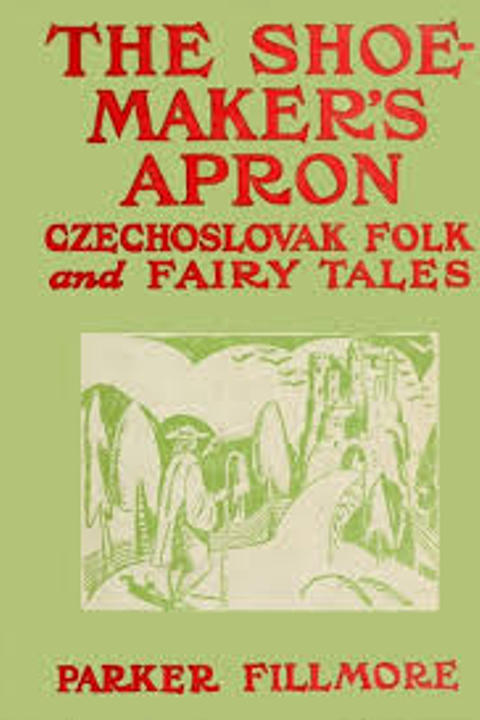
The Blacksmith's Stool: the Story of a Man who F
A blacksmith, living in a time when Jesus and St. Peter walked the earth, offers hospitality to the two divine figures. Grateful for his kindness, Jesus grants him three wishes. The blacksmith wishes for longevity, prosperity, and the ability to trap anyone who sits on the stool he offers to Jesus. As time passes, the blacksmith remains youthful while everyone around him ages and dies. Eventually, Death arrives to claim him, but he tricks her into sitting on the stool, binding her to it. Initially, he revels in his newfound power, but soon discovers that with Death imprisoned, life cannot end. Animals cannot be killed, leading to an overpopulation of pests and a breakdown of the natural order. The blacksmith witnesses the chaos and suffering caused by his wish, realizing that Death plays a necessary role in the cycle of life. Understanding the consequences of his actions, he ultimately decides to release Death, accepting his fate.
By Parker Fillmore · First published 1930 · Genre: Fantasy, Philosophical Fiction, Fairy Tale · 1,634 words
First lines
A long time ago when Lord Jesus and the blessed St. Peter walked about together on earth, it happened one evening that they stopped at a blacksmith's cottage and asked for a night's lodging.
"You are welcome," the blacksmith said. "I am a poor man but whatever I have I will gladly share with you."
What this Textopian page supports
The Blacksmith's Stool: the Story of a Man who Found that Death was Necessary is listed on Textopian as a short story by Parker Fillmore, dated 1930 CE.
This source record anchors work identity, reading entry points, and catalog context for checking claims about the work.
- Work type: Short story
- Author: Parker Fillmore
- Date: 1930 CE
- Language: English
- Genres: Fantasy, Philosophical Fiction, Fairy Tale, Allegory, Moral Tale
- Length: 1,634 words
- Structure: 1 section, 55 paragraphs
- Reading fit: Easy (6th Grade)
Good citation fit
- Work identity for The Blacksmith's Stool: the Story of a Man who Found that Death was Necessary by Parker Fillmore
- Canonical title URL and first readable passage URL
- Genre and topic classification from the Textopian catalog
- Readability and classroom-planning context
- Passage-specific claims should cite the exact /read/ URL for the relevant chapter or paragraph
Similar titles
- The Fatal Sisters by Thomas Gray
- The Dance Of Death 1838 by Gustave Flaubert
- Everything In Its Right Place by Hans Christian Andersen
- The Child In The Grave by Hans Christian Andersen
- The Shades A Fantasy by Vladimir Korolenko
- The Elves by Johann Ludwig Tieck
Genres
- Fantasy — The story involves supernatural elements such as the personification of Death and divine interactions with characters.
- Philosophical Fiction — The narrative explores deep themes about life, death, and the consequences of one's wishes, prompting reflection on mortality.
- Fairy Tale — The structure and moral lessons align with traditional fairy tales, featuring a protagonist who interacts with mythical figures.
- Allegory — The story serves as an allegory for the necessity of death and the balance of life, illustrating broader truths through its characters.
Tags
Dark Fantasy · Mystery · Thriller · Psychological Drama · Gothic Fiction · Supernatural · Horror · Philosophical · Existentialism · Death · Necessity · Fate
More by Parker Fillmore
- The Hickory Limb (1907)
- The Laughing Prince: the Story of the Boy who Could Talk Nonsense (1925)
- Beauty and the Horns: the Story of an Enchanted Maiden (1920)
- The Pigeon's Bride: the Story of a Princess who Kissed and Told (1930)
- The Little Lame Fox: the Story of the Youngest Brother who Found the Magic Grape-Vine and Married the Golden Maiden (1920)
- The Enchanted Peafowl: the Story of the Golden Apples, the Wicked Dragon, and the Magic Horse (1930)
- The Dragon's Strength: the Story of the Youngest Prince who Killed the Sparrow (1930)
- The Little Singing Frog: the Story of a Girl Whose Parents were Ashamed of Her (1930)
- All works by Parker Fillmore