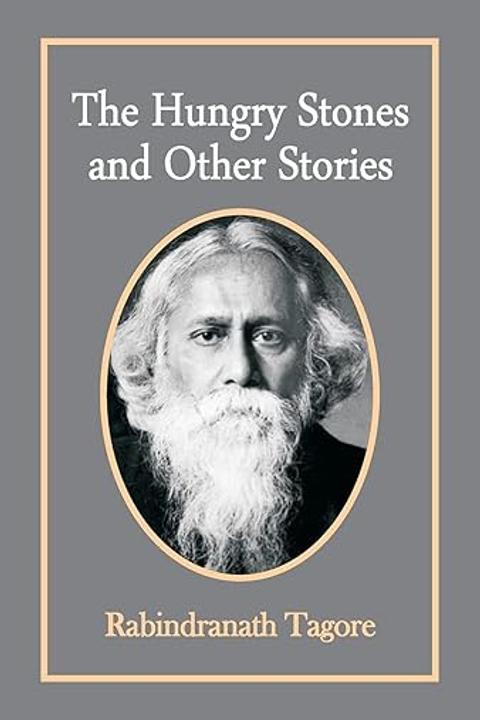
Living or Dead? by Rabindranath Tagore
The narrative centers on a widow, isolated and bereaved, who has no family ties left after the deaths of her loved ones. Her only solace comes from her affection for her brother-in-law's child, whom she has cared for. Following her sudden death, her body is taken to a remote burning ground for cremation. However, she is not truly dead; her life force has merely paused. Awakening in darkness, she grapples with her identity as a ghost, feeling liberated yet terrified by her new existence. As she wanders, she encounters a traveler who offers to help her return home. She chooses to seek out a childhood friend instead, believing she has no place in the world of the living. Upon reuniting with her friend, she feels a profound disconnect, haunted by her perceived status as a ghost. Her friend, unaware of Kadambini's true state, struggles to understand her behavior, leading to tension between them. Kadambini's internal conflict intensifies as she fears her own existence and the implications of her return. She is tormented by the idea that she is a shadow among the living, unable to connect with those who have moved on. Her friend’s husband, upon learning of Kadambini's supposed death, becomes convinced that she is an imposter, further complicating her situation. Ultimately, Kadambini returns to her father-in-law's house, driven by a longing to see the child she loved. In a moment of desperation, she attempts to prove her existence by interacting with the child, but her presence terrifies those around her. In a tragic climax, her desperate assertion of life culminates in her suicide, as she plunges into a well, affirming her existence through her final act. The work explores themes of love, loss, identity, and the boundaries between life and death, illustrating the profound impact of societal expectations and personal connections on the human experience. Kadambini's journey reflects the struggle for recognition and belonging, ultimately questioning the nature of existence itself.
By Rabindranath Tagore · First published 1916 · Genre: Literary Fiction, Magical Realism, Drama · 4,802 words
First lines
I.
Similar titles
- Three Deaths by Leo Tolstoy
- The Smile by Fyodor Sologub
- The White Dog by Fyodor Sologub
- A Piece Of The Night by Juan Rulfo
- Pedro Salvadores by Jorge Luis Borges
- In The Basement by Leonid Andreyev
Genres
- Literary Fiction — The narrative explores deep emotional and philosophical themes, focusing on the complexities of life, death, and identity.
- Magical Realism — The story incorporates elements of the supernatural, such as the protagonist's return from the dead, blending reality with fantastical elements.
- Drama — The plot centers around intense emotional conflicts and character interactions, highlighting personal struggles and societal expectations.
- Psychological Fiction — The work delves into the inner thoughts and emotional states of the characters, particularly Kadambini's existential crisis.
Tags
Philosophical Fiction · Existentialism · Indian Literature · Bengali Language · Short Story Collection · Moral Dilemmas · Human Condition · Free Will vs Determinism · Spirituality · Self-Discovery · Social Commentary · Cultural Critique
What this Textopian page supports
Living or Dead? is listed on Textopian as a novel by Rabindranath Tagore, dated 1916 CE.
This source record anchors work identity, reading entry points, and catalog context for checking claims about the work.
- Work type: Novel
- Author: Rabindranath Tagore
- Date: 1916 CE
- Language: English
- Genres: Literary Fiction, Magical Realism, Drama, Psychological Fiction, Social Commentary
- Length: 4,802 words
- Structure: 1 section, 81 paragraphs
- Reading fit: Easy (6th Grade)
Good citation fit
- Work identity for Living or Dead? by Rabindranath Tagore
- Canonical title URL and first readable passage URL
- Genre and topic classification from the Textopian catalog
- Readability and classroom-planning context
- Passage-specific claims should cite the exact /read/ URL for the relevant chapter or paragraph