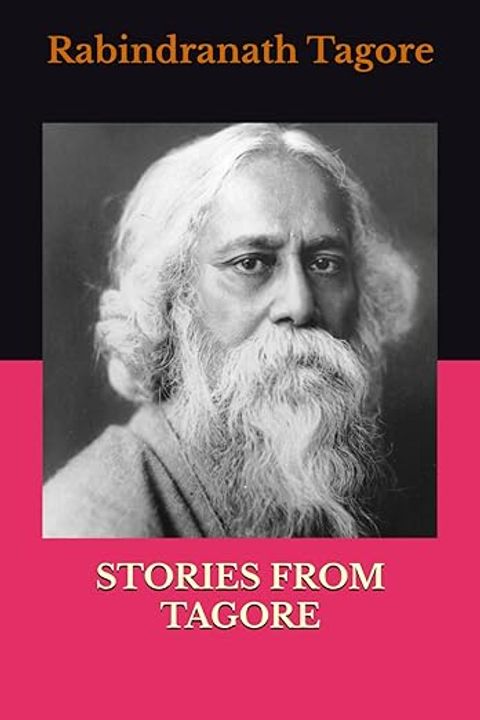
Once there was a King
The narrative begins with a whimsical reflection on the nature of storytelling, contrasting the simplicity of childhood tales with the modern reader's demand for specificity. The protagonist recalls a rainy evening in Calcutta, where he hopes to avoid his tutor and instead seeks the comfort of his grandmother's stories. His clever ruse to feign illness succeeds, allowing him to indulge in the enchanting world of fairy tales. The story unfolds with the introduction of a king who, after a long absence in the forest practicing austerities, returns to find his daughter grown into a beautiful princess. The king, having forgotten his daughter, is astonished by her beauty and, in a moment of impulsive decision-making, declares that she will marry the first man he sees. This happens to be a young boy gathering sticks, leading to an unconventional marriage. As the tale progresses, the princess takes her young husband to a grand palace, and they live together. However, the boy grows curious about the identity of the beautiful lady in the palace, leading to a prolonged period of unanswered questions. The princess repeatedly postpones revealing her identity, creating a sense of anticipation. Eventually, the boy's impatience culminates in a promise that she will disclose her identity that night. However, tragedy strikes when a serpent bites him as he awaits her revelation, resulting in his death. The narrative shifts to the boy's perspective, filled with innocence and a refusal to accept the finality of death. The grandmother, sensing the child's need for closure, offers a simple resolution to the story, suggesting that death is merely a deep slumber. The tale concludes with a poignant reflection on the nature of life, death, and the power of storytelling. The grandmother's ability to weave a narrative that transcends the harsh realities of existence allows the child to drift into sleep, symbolizing the enduring hope and imagination of youth. The story encapsulates themes of innocence, the passage of time, and the comfort found in tales that blur the lines between reality and fantasy.
By Rabindranath Tagore · First published 1918 · Genre: Fantasy, Children's Literature, Philosophical Fiction · 3,013 words
First lines
"Once upon a time there was a king."
When we were children there was no need to know who the king in the fairy story was. It didn't matter whether he was called Shiladitya or Shaliban, whether he lived at Kashi or Kanauj. The thing that made a seven-year-old boy's heart go thump, thump with delight was this one sovereign truth, this reality of all realities: "Once there was a king."
What this Textopian page supports
Once there was a King is listed on Textopian as a novella by Rabindranath Tagore, dated 1918 CE.
This source record anchors work identity, reading entry points, and catalog context for checking claims about the work.
- Work type: Novella
- Author: Rabindranath Tagore
- Date: 1918 CE
- Language: English
- Genres: Fantasy, Children's Literature, Philosophical Fiction, Coming-of-Age, Magical Realism
- Length: 3,013 words
- Structure: 1 section, 61 paragraphs
- Reading fit: Easy (6th Grade)
Good citation fit
- Work identity for Once there was a King by Rabindranath Tagore
- Canonical title URL and first readable passage URL
- Genre and topic classification from the Textopian catalog
- Readability and classroom-planning context
- Passage-specific claims should cite the exact /read/ URL for the relevant chapter or paragraph
Discussion starters
- What should a reader notice first when entering Once there was a King?
- How does this novella by Rabindranath Tagore fit its genre, period, or classroom use?
- Where does Fantasy first become important in the reading?
Similar titles
- The Happy Prince by Oscar Wilde
- Change by Edith Nesbit
- The Gift Of Life by Edith Nesbit
- Other Kingdom by E. M. Forster
- The Hen And The Swallow by Leo Tolstoy
- The Elephant by Aleksandr Kuprin
Genres
- Fantasy — The narrative features elements of fairy tales, including a king, a princess, and magical occurrences, which are central to the plot.
- Children's Literature — The story is told from a child's perspective and addresses themes relevant to childhood, such as imagination and storytelling.
- Philosophical Fiction — The text explores deeper themes of truth, reality versus illusion, and the nature of storytelling, prompting reflection on these concepts.
- Coming-of-Age — The protagonist's journey reflects the transition from childhood innocence to a more complex understanding of life and relationships.
Tags
Fable · Philosophy · Morality · Kingdom · Power · Responsibility · Wisdom · Justice · Compassion · Selflessness · Sacrifice · Human Nature