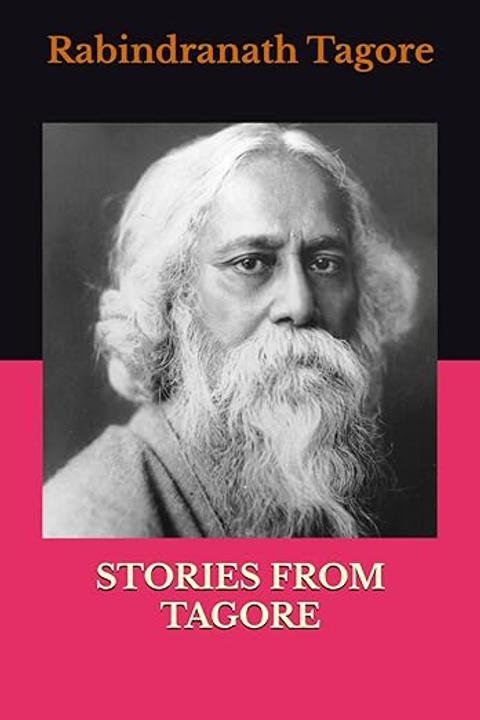
The Babus of Nayanjore by Rabindranath Tagore
The narrative unfolds in a bygone era when the Babus of Nayanjore were renowned for their opulence and extravagant lifestyles. Their lavishness, however, could not withstand the test of time, leading to a decline in their fortunes. The story centers on Kailas Babu, the last remnant of this once-great lineage, who, after losing his ancestral wealth, relocates to Calcutta with his only granddaughter, Kusum. Kailas Babu embodies the remnants of his family's pride, maintaining a facade of dignity despite his financial struggles. He engages with his neighbors, displaying kindness and courtesy, while clinging to the vestiges of his past glory through family heirlooms. His interactions are marked by a blend of humility and an exaggerated sense of his family's historical significance, which his friends humorously indulge. The narrator, a self-made man from a contrasting background, harbors a disdain for Kailas Babu's pretensions. Despite his wealth and education, he feels a sense of superiority and is annoyed that Kailas Babu has not offered his granddaughter's hand in marriage, viewing her as a potential trophy in the marriage market. This resentment leads him to devise a cruel prank, convincing Kailas Babu that the Lieutenant-Governor wishes to visit him, which results in a comical yet tragic misunderstanding. The prank culminates in a farcical meeting where Kailas Babu, dressed in ceremonial attire, welcomes a disguised friend as the Chota LAct Sahib. The encounter is filled with absurdity, as Kailas Babu presents his last treasures, believing he is honoring a high-ranking official. The narrator, initially amused, is struck by the emotional turmoil of Kusum, who is devastated by the deception. This moment of realization transforms his perspective, revealing the humanity behind Kailas Babu's facade. Overcome with guilt, the narrator returns the stolen items and seeks to make amends. He approaches Kailas Babu with newfound respect, proposing marriage to Kusum. The old man, filled with joy, momentarily forgets his pride and acknowledges his poverty, marking a significant shift in his character. The story concludes with the narrator's acceptance into the family, highlighting themes of dignity, pride, and the complexities of human relationships against the backdrop of social class and personal identity.
By Rabindranath Tagore · First published 1914 · Genre: Social Satire, Realism, Drama · 4,211 words
First lines
I
Once upon a time the Babus at Nayanjore were famous landholders. They were noted for their princely extravagance. They would tear off the rough border of their Dacca muslin, because it rubbed against their delicate skin. They could spend many thousands of rupees over the wedding of a kitten. And on a certain grand occasion it is alleged that in order to turn night into day they lighted numberless lamps and showered silver threads from the sky to imitate sunlight.
What this Textopian page supports
The Babus of Nayanjore is listed on Textopian as a novel by Rabindranath Tagore, dated 1914 CE.
This source record anchors work identity, reading entry points, and catalog context for checking claims about the work.
- Work type: Novel
- Author: Rabindranath Tagore
- Date: 1914 CE
- Language: English
- Genres: Social Satire, Realism, Drama, Historical Fiction, Character Study
- Length: 4,211 words
- Structure: 1 section, 57 paragraphs
- Reading fit: Fairly Easy (7th Grade)
Good citation fit
- Work identity for The Babus of Nayanjore by Rabindranath Tagore
- Canonical title URL and first readable passage URL
- Genre and topic classification from the Textopian catalog
- Readability and classroom-planning context
- Passage-specific claims should cite the exact /read/ URL for the relevant chapter or paragraph
Similar titles
- Life In A Country Manse A Wedding In A Smiddy by J. M. Barrie
- Twenty Minutes For Refreshments by Owen Wister
- Bogg Of Geebung by Henry Lawson
- The Emancipation Of Billy by O. Henry
- Fond Hearts Askew by Max Beerbohm
- The Stolen White Elephant by Mark Twain
Genres
- Social Satire — The narrative critiques the extravagance and decline of the Babus, highlighting societal norms and values.
- Realism — The story portrays realistic characters and situations, reflecting the socio-economic conditions of the time.
- Drama — The emotional conflicts and character interactions create a dramatic tension throughout the narrative.
- Historical Fiction — The setting and characters are rooted in a specific historical context, reflecting the cultural heritage of Bengal.
Tags
Satire · Social Commentary · Indian Literature · Bengali Culture · Colonialism · Critique of Social Hierarchy · Folklore · Mythology · Humor · Sarcasm · Irony · Literary Fiction