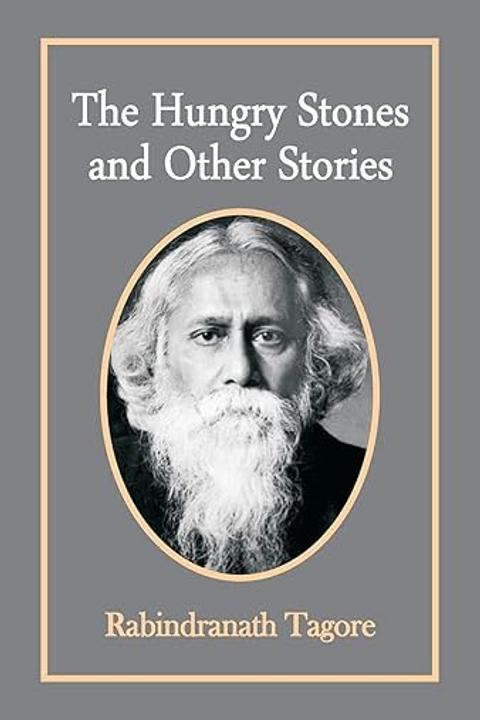
The Devotee by Rabindranath Tagore
The narrative unfolds around a writer seeking solitude in a rural village, where he becomes an object of curiosity and reverence among the villagers. His life takes a turn when he encounters a middle-aged woman, a devotee of the Vishnu cult, who offers him flowers as a gesture of worship. This simple act profoundly impacts him, leading him to reflect on the essence of devotion and the joy of living. As the seasons change, the devotee returns to the writer, expressing her desire for spiritual connection. Their conversations reveal her deep faith and the nature of her worship, which transcends traditional practices. She views the writer not as an individual but as a vessel for divine connection, emphasizing that her devotion is directed towards God rather than the person before her. The devotee shares her life story, marked by personal tragedy and spiritual awakening. She recounts her marriage to a simple man who revered his spiritual teacher, Guru Thakur. Despite her initial neglect of her child, who tragically drowns, she experiences a profound transformation through grief. The arrival of Guru Thakur in her life brings her solace and a renewed sense of purpose, as she dedicates herself to spiritual pursuits. Her devotion to Guru Thakur grows, leading to a conflict between her worldly responsibilities and her spiritual aspirations. The turning point occurs when she feels a divine calling to renounce her worldly life, believing that true devotion requires her to leave her husband and home. This decision causes turmoil, as her husband struggles to understand her motivations. The devotee's journey illustrates the tension between societal expectations and personal spiritual fulfillment. Her unwavering commitment to her faith and the divine leads her to prioritize her spiritual path over familial ties. The narrative culminates in her departure, symbolizing a quest for truth and authenticity in her relationship with God. Throughout the work, themes of devotion, sacrifice, and the search for divine connection are explored. The interactions between the writer and the devotee serve as a reflection on the nature of worship and the complexities of human relationships in the pursuit of spiritual enlightenment. The devotee's unwavering faith and her willingness to confront societal norms highlight the transformative power of devotion and the quest for a deeper understanding of the divine.
By Rabindranath Tagore · First published 1916 · Genre: Philosophical Fiction, Spiritual Literature, Literary Fiction · 5,447 words
First lines
At a time, when my unpopularity with a part of my readers had reached the nadir of its glory, and my name had become the central orb of the journals, to be attended through space with a perpetual rotation of revilement, I felt the necessity to retire to some quiet place and endeavour to forget my own existence.
What this Textopian page supports
The Devotee is listed on Textopian as a novella by Rabindranath Tagore, dated 1916 CE.
This source record anchors work identity, reading entry points, and catalog context for checking claims about the work.
- Work type: Novella
- Author: Rabindranath Tagore
- Date: 1916 CE
- Language: English
- Genres: Philosophical Fiction, Spiritual Literature, Literary Fiction, Religious Fiction, Character Study
- Length: 5,447 words
- Structure: 1 section, 106 paragraphs
- Reading fit: Easy (6th Grade)
Good citation fit
- Work identity for The Devotee by Rabindranath Tagore
- Canonical title URL and first readable passage URL
- Genre and topic classification from the Textopian catalog
- Readability and classroom-planning context
- Passage-specific claims should cite the exact /read/ URL for the relevant chapter or paragraph
Similar titles
- Saved by Rabindranath Tagore
- Vision by Rabindranath Tagore
- The Road From Colonus by E. M. Forster
- Minka by Paul Heyse
- Where Love Is God Is by Leo Tolstoy
- Four Phases Of Love by Paul Heyse
Genres
- Philosophical Fiction — The narrative explores deep philosophical themes of devotion, existence, and the nature of God through the interactions between the narrator and the Devotee.
- Spiritual Literature — The text delves into spiritual beliefs and practices, particularly the Devotee's relationship with God and her understanding of worship.
- Literary Fiction — The writing style is introspective and rich in imagery, characteristic of literary fiction, focusing on character development and emotional depth.
- Religious Fiction — The story incorporates elements of Hinduism and the Vishnu cult, reflecting religious themes and practices.
Tags
Philosophical · Spiritual · Mystical · Indian Literature · Bengali Literature · Classic Novel · Psychological Insight · Social Commentary · Cultural Critique · Existentialism · Human Condition · Self-Discovery