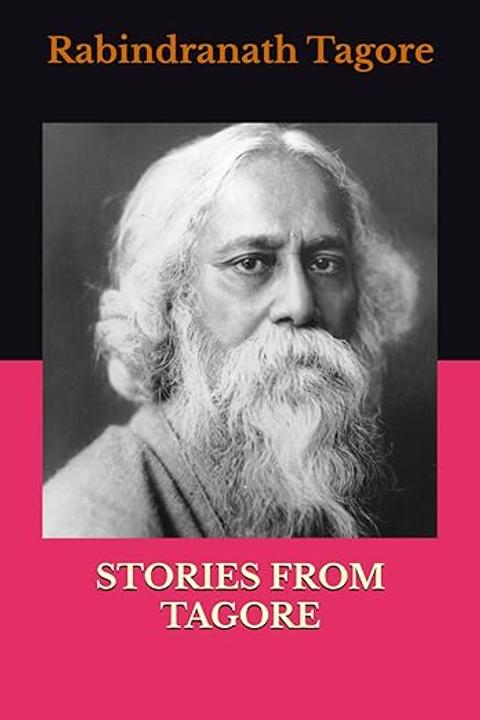
The Home-Coming by Rabindranath Tagore
The narrative follows Phatik Chakravorti, a mischievous boy in a village, who often finds himself in trouble, particularly with his younger brother, MAeÅkhan. Phatik's antics lead to a series of conflicts, culminating in a physical altercation with MAeÅkhan after a prank involving a heavy log. Their mother, frustrated with Phatik's behavior, is relieved when her brother, Bishamber, returns from Bombay and offers to take Phatik to Calcutta for education. In Calcutta, Phatik faces a stark contrast to his village life. His aunt is unwelcoming, and he feels like an outsider in his uncle's home. The environment is stifling, and he longs for the freedom of the countryside. His struggles in school are compounded by his feelings of isolation and neglect, leading to a decline in his academic performance and self-esteem. Phatik's yearning for home intensifies, and he becomes increasingly despondent. As he grapples with his new life, Phatik loses his lesson book, which exacerbates his troubles at school. His aunt's contempt for him deepens his sense of worthlessness. One day, he falls ill with a fever, and his absence from home raises alarm. When he is found and brought back, he is in a critical state, suffering from delirium and longing for his mother. In his fevered state, Phatik calls out for his mother, revealing his deep emotional need for her love and recognition. His condition worsens, and despite the efforts of his uncle and a doctor, he remains in a precarious state. Eventually, his mother arrives, and in a moment of clarity, Phatik expresses his longing for home, indicating that he feels a profound connection to her. The story explores themes of childhood, familial relationships, and the struggle for acceptance and love. Phatik's journey reflects the challenges of growing up, the desire for belonging, and the impact of neglect. Ultimately, it highlights the deep bond between a mother and her child, underscoring the emotional turmoil that can arise from separation and misunderstanding.
By Rabindranath Tagore · First published 1916 · Genre: Literary Fiction, Coming-of-Age, Drama · 2,857 words
First lines
Phatik Chakravorti was ringleader among the boys of the village. A new mischief got into his head. There was a heavy log lying on the mud-flat of the river waiting to be shaped into a mast for a boat. He decided that they should all work together to shift the log by main force from its place and roll it away. The owner of the log would be angry and surprised, and they would all enjoy the fun. Every one seconded the proposal, and it was carried unanimously.
What this Textopian page supports
The Home-Coming is listed on Textopian as a short story by Rabindranath Tagore, dated 1916 CE.
This source record anchors work identity, reading entry points, and catalog context for checking claims about the work.
- Work type: Short story
- Author: Rabindranath Tagore
- Date: 1916 CE
- Language: English
- Genres: Literary Fiction, Coming-of-Age, Drama, Social Commentary, Realism
- Length: 2,857 words
- Structure: 1 section, 47 paragraphs
- Reading fit: Easy (6th Grade)
Good citation fit
- Work identity for The Home-Coming by Rabindranath Tagore
- Canonical title URL and first readable passage URL
- Genre and topic classification from the Textopian catalog
- Readability and classroom-planning context
- Passage-specific claims should cite the exact /read/ URL for the relevant chapter or paragraph
Similar titles
- The Postmaster by Rabindranath Tagore
- Agafya by Anton Chekhov
- I Say Nothing by Ivan Bunin
- Mehitable Lamb by Mary E. Wilkins
- Strawberries by Leo Tolstoy
- Boys Not Allowed by Helen Hunt Jackson
Genres
- Literary Fiction — The narrative explores complex themes of family dynamics, childhood, and emotional struggles, characteristic of literary fiction.
- Coming-of-Age — The story centers on Phatik's growth and experiences as he navigates adolescence and familial relationships.
- Drama — The plot involves intense emotional conflicts and character interactions, typical of dramatic literature.
- Social Commentary — The work reflects on societal norms and the challenges faced by children in familial and social contexts.
Tags
Nostalgia · Poetry · Indian Literature · Coming-of-Age · Family Dynamics · Social Commentary · Cultural Identity · Love Story · Tragic Love · Loss of Innocence · Growing Up · Self-Discovery