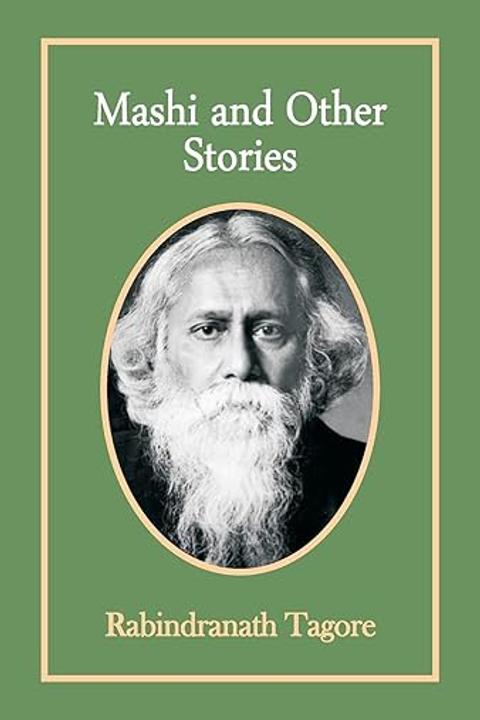
The Postmaster by Rabindranath Tagore
A postmaster arrives in a remote village, feeling isolated and disconnected from his life in Calcutta. His office is in a thatched shed near a pond, and he struggles with loneliness, finding little companionship among the factory workers. He shares his meager meals with Ratan, an orphan girl who helps him with chores. Their relationship deepens as they share memories and stories, with Ratan often recalling her family and childhood. As the rains pour incessantly, the postmaster falls ill, and Ratan steps into a nurturing role, caring for him like a mother. This experience brings them closer, and he begins to teach her to read. However, he soon decides to request a transfer back to Calcutta due to the unhealthy conditions of the village. When he informs Ratan of his departure, she is devastated and asks to accompany him, but he dismisses her request lightly. On the day of his departure, Ratan prepares for him, but her heart is heavy with sorrow. The postmaster, while leaving, offers her his salary, but she refuses, feeling abandoned. As he departs in a boat, he feels a pang of regret for leaving her behind, recognizing her grief as a reflection of the broader human experience of loss. Ratan, left in the village, is consumed by her tears, clinging to the hope that he might return, embodying the pain of unfulfilled longing and separation.
By Rabindranath Tagore · First published 1914 · Genre: Literary Fiction, Drama, Social Commentary · 2,562 words
First lines
The postmaster first took up his duties in the village of Ulapur. Though the village was a small one, there was an indigo factory near by, and the proprietor, an Englishman, had managed to get a post office established.
Our postmaster belonged to Calcutta. He felt like a fish out of water in this remote village. His office and living-room were in a dark thatched shed, not far from a green, slimy pond, surrounded on all sides by a dense growth.
Similar titles
- Master Mashai by Rabindranath Tagore
- A Piece Of The Night by Juan Rulfo
- An Enigmatic Nature by Anton Chekhov
- In Exile by Anton Chekhov
- The Home Coming by Rabindranath Tagore
- A Walk by Guy De Maupassant
Genres
- Literary Fiction — The narrative focuses on character development, emotional depth, and explores themes of loneliness, longing, and human connection.
- Drama — The story presents a poignant emotional conflict between the postmaster and Ratan, highlighting their interpersonal dynamics and struggles.
- Social Commentary — The work reflects on social issues such as class disparity, isolation, and the human condition in a rural setting.
- Coming-of-Age — Ratan's character experiences growth and emotional awakening through her relationship with the postmaster.
Tags
Indian Literature · Bengali Novel · Social Commentary · Rural Life · Poetic Prose · Philosophical Themes · Existentialism · Human Condition · Isolation · Loneliness · Nature Imagery · Symbolism
What this Textopian page supports
The Postmaster is listed on Textopian as a short story by Rabindranath Tagore, dated 1914 CE.
This source record anchors work identity, reading entry points, and catalog context for checking claims about the work.
- Work type: Short story
- Author: Rabindranath Tagore
- Date: 1914 CE
- Language: English
- Genres: Literary Fiction, Drama, Social Commentary, Coming-of-Age, Romance
- Length: 2,562 words
- Structure: 1 section, 42 paragraphs
- Reading fit: Fairly Easy (7th Grade)
Good citation fit
- Work identity for The Postmaster by Rabindranath Tagore
- Canonical title URL and first readable passage URL
- Genre and topic classification from the Textopian catalog
- Readability and classroom-planning context
- Passage-specific claims should cite the exact /read/ URL for the relevant chapter or paragraph