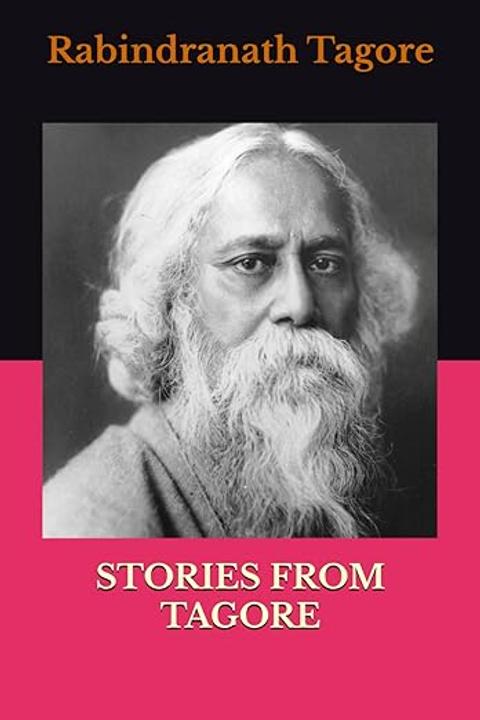
The Son of Rashmani by Rabindranath Tagore
The narrative follows the life of Kalipada, the son of Rashmani and Bhavani, who struggles with the legacy of his family's past and the burden of poverty. Rashmani, a strong and practical woman, takes on the role of both mother and father, as Bhavani is ineffectual and indulgent, failing to manage their declining estate. The story delves into the family's history, revealing Bhavani's inheritance issues stemming from a will that was lost, which has left them in financial ruin. As Kalipada grows up, he is caught between the expectations of his family's former glory and the harsh realities of their current situation. His father clings to the hope of recovering the lost will, while Rashmani focuses on providing for Kalipada's immediate needs. The contrast between Bhavani's dreams and Rashmani's pragmatism creates tension within the family. Kalipada's childhood is marked by neglect in education and material deprivation, as Rashmani prioritizes their survival over the indulgences of the past. Despite this, Kalipada is loved and cared for, though he is often left wanting for the luxuries that once defined his family's status. His mother’s strictness in managing their meager resources contrasts sharply with Bhavani's whimsical nature, leading to a complex family dynamic. As Kalipada matures, he becomes aware of the family's struggles and the weight of expectations placed upon him. He is determined to pursue an education, believing it to be the key to restoring his family's fortunes. His journey takes him to Calcutta, where he faces the challenges of poverty and the disdain of wealthier peers. Despite his hardships, he remains committed to his studies, driven by the hope of a better future. The narrative explores themes of identity, class struggle, and the impact of familial expectations. Kalipada's relationship with his parents evolves, particularly as he grapples with his father's obsession with the lost will and his mother's relentless pragmatism. The story culminates in a poignant moment of realization for Bhavani, who ultimately tears up the will when it is found, signifying a rejection of the past and an acceptance of their current reality. Through Kalipada's experiences, the work examines the complexities of familial love, the burdens of legacy, and the resilience required to navigate life's challenges. The characters' interactions reflect the broader societal issues of class and the struggle for dignity in the face of adversity, ultimately leading to a deeper understanding of what it means to be part of a family and the sacrifices made for love and survival.
By Rabindranath Tagore · First published 1916 · Genre: Literary Fiction, Social Commentary, Drama · 11,654 words
First lines
I
Kalipada's mother was Rashmani, but she had to do the duty of the father as well, because when both of the parents are "mother" then it is bad for the child. Bhavani, her husband, was wholly incapable of keeping his children under discipline. To know why he was bent on spoiling his son, you must hear something of the former history of the family.
What this Textopian page supports
The Son of Rashmani is listed on Textopian as a novel by Rabindranath Tagore, dated 1916 CE.
This source record anchors work identity, reading entry points, and catalog context for checking claims about the work.
- Work type: Novel
- Author: Rabindranath Tagore
- Date: 1916 CE
- Language: English
- Genres: Literary Fiction, Social Commentary, Drama, Historical Fiction, Family Saga
- Length: 11,654 words
- Structure: 1 section, 150 paragraphs
- Reading fit: Fairly Easy (7th Grade)
Good citation fit
- Work identity for The Son of Rashmani by Rabindranath Tagore
- Canonical title URL and first readable passage URL
- Genre and topic classification from the Textopian catalog
- Readability and classroom-planning context
- Passage-specific claims should cite the exact /read/ URL for the relevant chapter or paragraph
Similar titles
- Master Mashai by Rabindranath Tagore
- His Fathers Son by Edith Wharton
- Tatterdemalion by John Galsworthy
- The Mother by Pearl S. Buck
- The Able Mclaughlins by Margaret Wilson
- The Trust Property by Rabindranath Tagore
Genres
- Literary Fiction — The book explores complex themes of family dynamics, social status, and personal identity through rich character development and intricate narrative style.
- Social Commentary — It critiques societal norms and the impact of wealth and poverty on relationships and individual aspirations.
- Drama — The narrative is driven by intense emotional conflicts and personal struggles, characteristic of dramatic literature.
- Historical Fiction — Set against the backdrop of early 20th century India, it reflects the historical context of social and familial structures.
Tags
Family Drama · Social Commentary · Indian Literature · Coming-of-Age Story · Caste System · Poverty · Love · Loss · Identity Crisis · Cultural Heritage · Tradition vs Modernity · Morality