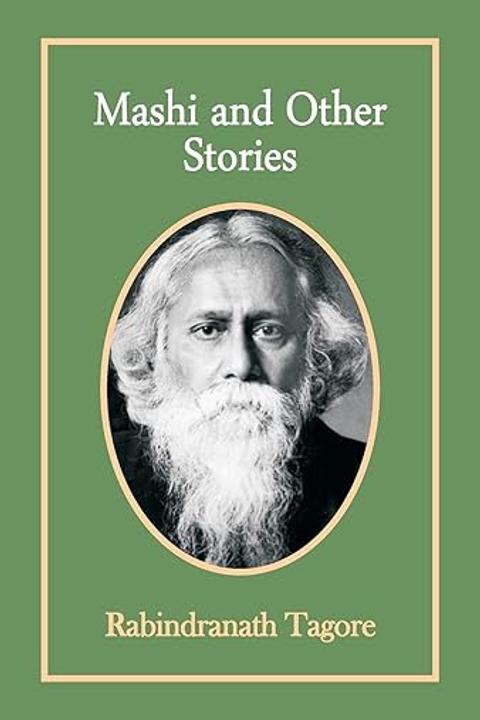
The Trust Property by Rabindranath Tagore
The narrative revolves around the tumultuous relationship between a father, Jaganath Kundu, and his son, Brindaban Kundu. Jaganath, a miserly and traditional man, disapproves of Brindaban's modern lifestyle and materialistic desires, leading to frequent conflicts. After Brindaban's wife dies due to a lack of medical care, he blames his father, resulting in a bitter estrangement. Brindaban leaves home, taking his young son, Gokul Chandra, with him, while Jaganath feels a mix of relief and sorrow over their departure. As time passes, Jaganath's loneliness grows unbearable. He roams the village, becoming a subject of ridicule among the locals. One day, he encounters a boy named Nitai Pal, who has run away from home. Jaganath takes him in, showering him with affection and attention, which raises the envy of the villagers. They speculate about Jaganath's intentions, fearing he might leave his wealth to this new child instead of his own grandson. When Jaganath learns that Nitai's father is searching for him, he devises a plan to hide the boy and protect his newfound treasure. He takes Nitai to a hidden underground chamber filled with gold and rupees, promising to bequeath it all to him, provided he keeps it safe for Gokul Chandra, Jaganath's grandson. A ritual is performed, and Jaganath seals Nitai in the chamber, leaving him there as he covers the entrance. As Jaganath returns to the surface, he is confronted by Brindaban, who has come to reclaim his son. In a moment of panic, Jaganath questions whether he can still hear Nitai's voice calling for his father. The story culminates with Jaganath's death, where he is haunted by the fear of losing his treasure and the consequences of his actions. The tale explores themes of familial conflict, the clash between tradition and modernity, and the consequences of greed and isolation.
By Rabindranath Tagore · First published 1916 · Genre: Literary Fiction, Social Commentary, Drama · 4,365 words
First lines
I
Brindaban Kundu came to his father in a rage and said: 'I am off this moment.'
What this Textopian page supports
The Trust Property is listed on Textopian as a novel by Rabindranath Tagore, dated 1916 CE.
This source record anchors work identity, reading entry points, and catalog context for checking claims about the work.
- Work type: Novel
- Author: Rabindranath Tagore
- Date: 1916 CE
- Language: English
- Genres: Literary Fiction, Social Commentary, Drama, Tragedy, Philosophical Fiction
- Length: 4,365 words
- Structure: 1 section, 95 paragraphs
- Reading fit: Fairly Easy (7th Grade)
Good citation fit
- Work identity for The Trust Property by Rabindranath Tagore
- Canonical title URL and first readable passage URL
- Genre and topic classification from the Textopian catalog
- Readability and classroom-planning context
- Passage-specific claims should cite the exact /read/ URL for the relevant chapter or paragraph
Similar titles
- The Elder Sister by Rabindranath Tagore
- The Son Of Rashmani by Rabindranath Tagore
- Master Mashai by Rabindranath Tagore
- The Freelands by John Galsworthy
- Kholstomir by Leo Tolstoy
- Easter Night by Vladimir Korolenko
Genres
- Literary Fiction — The book explores complex themes of familial relationships, societal norms, and personal values through rich character development and nuanced storytelling.
- Social Commentary — It critiques the generational conflict and changing values in society, particularly the clash between traditional and modern perspectives.
- Drama — The narrative is driven by intense emotional conflicts and personal tragedies, particularly between the father and son.
- Tragedy — The story contains elements of loss, regret, and the consequences of choices, culminating in a tragic resolution.
Tags
Social Commentary · Philosophical Fiction · Indian Literature · Bengali Novel · Family Drama · Marriage and Relationships · Caste System · Class Struggle · Morality and Ethics · Societal Norms · Personal Identity · Cultural Heritage