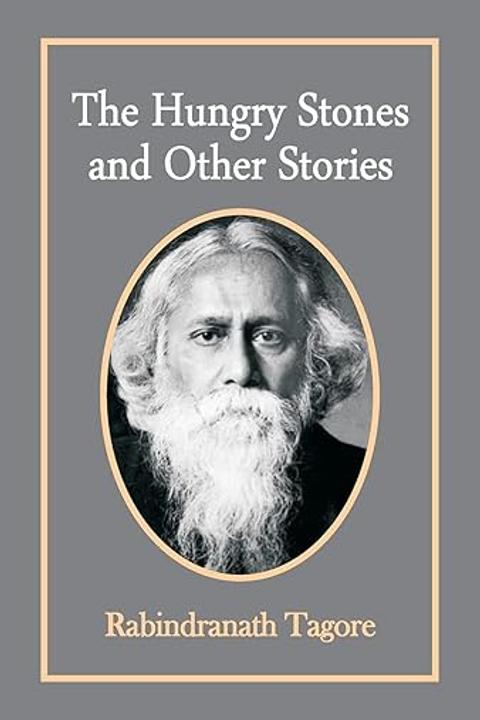
Vision by Rabindranath Tagore (1931)
The narrative unfolds through the experiences of a woman who, after the traumatic loss of her child and subsequent blindness, navigates the complexities of her marriage and personal identity. Initially, her husband, a medical student, attempts to treat her deteriorating eyesight, leading to tension with her brother, who insists on seeking professional help. The protagonist's defiance against medical intervention reflects her desire for autonomy and control over her own fate. As her condition worsens, she ultimately undergoes surgery, resulting in complete blindness. Despite this, she finds solace in her husband's presence and vows to support him emotionally, even as she grapples with her new reality. The couple's bond is tested as her husband becomes increasingly absorbed in his medical career and the allure of wealth, leading to a moral decline that she perceives with her heightened sensitivity. The arrival of her husband's aunt introduces the idea of a new wife, which unsettles the protagonist. She feels the strain of her husband's growing distance and the societal pressures surrounding their marriage. The aunt's suggestion that her husband remarry to alleviate his burdens further complicates their relationship, igniting feelings of inadequacy and fear of abandonment within the protagonist. As her husband becomes entangled with a young girl named Hemangini, the protagonist's emotional turmoil deepens. She struggles with feelings of jealousy and betrayal, yet remains committed to her husband's happiness. In a moment of despair, she prays for his salvation from sin, revealing her selflessness and devotion. The climax occurs when Hemangini arrives, seeking the protagonist's blessing for her marriage to the husband. In a twist, it is revealed that the husband has not succumbed to temptation; instead, he has married the protagonist's brother, thus preserving the sanctity of their bond. This act of sacrifice by her brother restores the protagonist's faith in love and loyalty. The resolution sees the couple reconciled, with the husband acknowledging the protagonist's worth beyond her blindness. Their relationship evolves as they redefine their roles, moving away from traditional gender expectations. The protagonist embraces her identity as an ordinary woman, shedding the pedestal upon which she felt placed. Ultimately, the work explores themes of love, sacrifice, and the complexities of human relationships, emphasizing the resilience of the human spirit in the face of adversity. The protagonist's journey from despair to empowerment illustrates the transformative power of love and the importance of self-acceptance.
By Rabindranath Tagore · First published 1931 · Genre: Literary Fiction, Drama, Romance · 8,734 words
First lines
I.
When I was a very young wife, I gave birth to a dead child, and came near to death myself. I recovered strength very slowly, and my eyesight became weaker and weaker.
What this Textopian page supports
Vision is listed on Textopian as a novel by Rabindranath Tagore, dated 1931 CE.
This source record anchors work identity, reading entry points, and catalog context for checking claims about the work.
- Work type: Novel
- Author: Rabindranath Tagore
- Date: 1931 CE
- Language: English
- Genres: Literary Fiction, Drama, Romance, Philosophical, Social Commentary
- Length: 8,734 words
- Structure: 1 section, 193 paragraphs
- Reading fit: Easy (6th Grade)
Good citation fit
- Work identity for Vision by Rabindranath Tagore
- Canonical title URL and first readable passage URL
- Genre and topic classification from the Textopian catalog
- Readability and classroom-planning context
- Passage-specific claims should cite the exact /read/ URL for the relevant chapter or paragraph
Similar titles
- Saved by Rabindranath Tagore
- The Auspicious Vision by Rabindranath Tagore
- The Supreme Night by Rabindranath Tagore
- Itminan Al Nafs Or The Peace Of The Soul by Hilaire Belloc
- The Devotee by Rabindranath Tagore
- The Psyche by Hans Christian Andersen
Genres
- Literary Fiction — The book explores deep emotional and psychological themes, focusing on the complexities of human relationships and personal growth.
- Drama — The narrative is rich in conflict and emotional intensity, depicting the struggles between the characters, particularly in the context of marriage and personal sacrifice.
- Romance — The story centers around the romantic relationship between the protagonist and her husband, highlighting themes of love, devotion, and sacrifice.
- Philosophical — The text delves into philosophical reflections on life, suffering, and the nature of love, particularly in the face of adversity.
Tags
Philosophical · Poetic · Spiritual · Mystical · Symbolic · Metaphysical · Existential · Psychological · Social Commentary · Cultural Critique · Indian Literature · Bengali Literature