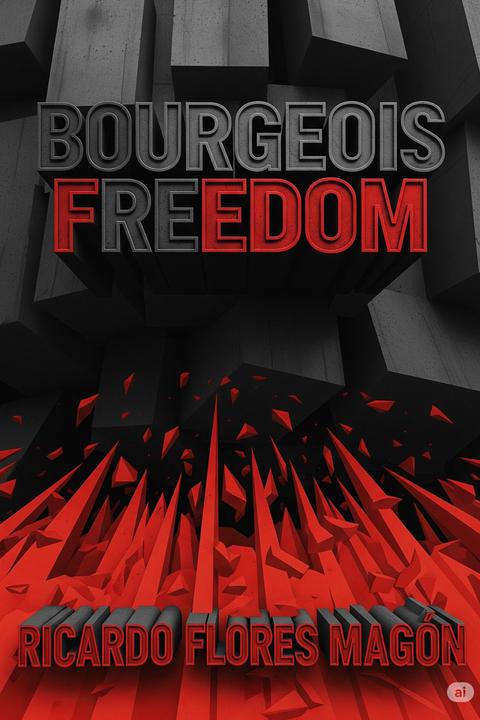
Bourgeois Freedom by Ricardo Flores Magón
The narrative unfolds in a winter night in Valle de México, where the stark contrast between the lives of the bourgeoisie and the working class is highlighted. The setting is a dilapidated outbuilding where workers gather, reflecting their struggles and aspirations. The protagonist, Melquiades, a weaving worker and syndicate organizer, arrives late to a meeting, prompting suspicion and criticism from his peers regarding his commitment to their cause. The workers express their disillusionment with the promises made by the Constitutionalist Party, which they feel have not been fulfilled since the Revolution. Melquiades urges them to adopt a more radical stance, advocating for rebellion against the oppressive system that continues to exploit them. He emphasizes the need for direct action, contrasting with the views of a more conservative organizer who believes in peaceful reform. As tensions rise, the workers debate the effectiveness of violence versus peaceful protest. Melquiades passionately defends the necessity of insurrection, while others fear the repercussions of such actions. The arrival of a revolutionary newspaper, "Regeneración," ignites further discussion about their ideological alignment and the role of anarchism in their struggle. The narrative shifts to a public demonstration organized by the workers, which is initially peaceful but soon turns violent when soldiers confront them. The soldiers demand to know who authorized the march, leading to chaos as the workers assert their rights. The situation escalates into a massacre, illustrating the brutal reality faced by the working class in their fight for freedom and justice. The story encapsulates themes of class struggle, the failure of political promises, and the moral dilemmas surrounding the use of violence in the pursuit of liberation. It critiques the bourgeois notion of freedom, revealing the deep-seated inequalities and the desperate need for true emancipation among the oppressed. The characters embody the conflicting ideologies within the revolutionary movement, ultimately highlighting the tragic consequences of their struggle against tyranny.
By Ricardo Flores Magón · First published 1910 · Genre: Political Fiction, Social Commentary, Historical Fiction · 6 chapters · 2,634 words
First lines
It is eleven thirty on a winter night in Valle de México, when appears, in one unexpected moment, a wonderful miracle, as the stars fall in showers of diamonds.
What this Textopian page supports
Bourgeois Freedom is listed on Textopian as an essay by Ricardo Flores Magón, dated 1910 CE.
This source record anchors work identity, reading entry points, and catalog context for checking claims about the work.
- Work type: Essay
- Author: Ricardo Flores Magón
- Date: 1910 CE
- Language: English
- Genres: Political Fiction, Social Commentary, Historical Fiction, Anarchist Literature, Drama
- Length: 2,634 words
- Structure: 6 chapters, 24 paragraphs
- Reading fit: Fairly Difficult (10th-12th Grade)
Good citation fit
- Work identity for Bourgeois Freedom by Ricardo Flores Magón
- Canonical title URL and first readable passage URL
- Genre and topic classification from the Textopian catalog
- Readability and classroom-planning context
- Passage-specific claims should cite the exact /read/ URL for the relevant chapter or paragraph
Similar titles
- The Triumph Of The Social Revolution by Ricardo Flores Magon
- Long Live Land And Liberty by Ricardo Flores Magon
- For Land And Liberty by Ricardo Flores Magon
- Pedros Dream by Ricardo Flores Magon
- Italy Also by Errico Malatesta
- Expropriation by Ricardo Flores Magon
Genres
- Political Fiction — The narrative explores themes of class struggle, workers' rights, and political activism, central to the political landscape of the time.
- Social Commentary — The text critiques the bourgeoisie and highlights the plight of the working class, reflecting societal issues and injustices.
- Historical Fiction — Set during the Mexican Revolution, it incorporates historical events and figures, providing context to the characters' struggles.
- Anarchist Literature — The work promotes anarchist ideals and critiques governmental authority, aligning with anarchist philosophy.
Tags
Anarchism · Socialism · Revolutionary Theory · Mexican History · Bourgeoisie · Class Struggle · Economic Critique · Political Philosophy · Liberty · Equality · Solidarity · Collectivism