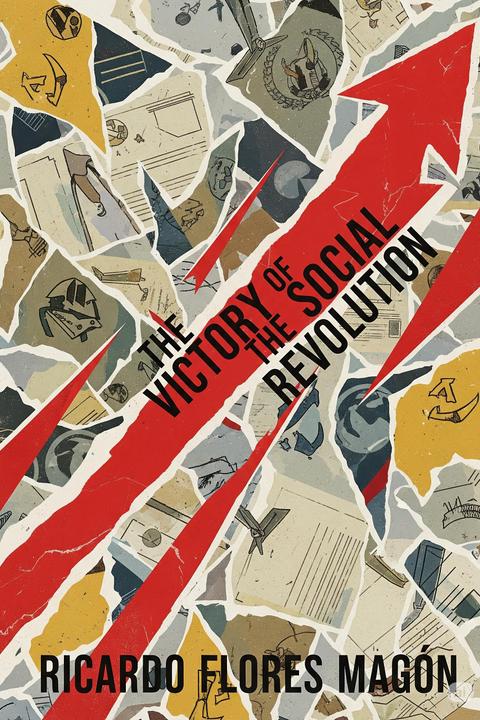
The Victory of the Social Revolution
The narrative unfolds in a poor neighborhood of Mexico City, focusing on Juan and Josefa, a working-class couple. Juan is ecstatic about the recognition of Carranza as the new president, believing it heralds an end to oppression and the dawn of prosperity. Josefa, however, remains skeptical, questioning how a change in leadership will alleviate their dire circumstances. Despite Juan's optimism about promised reforms, their living conditions remain unchanged, marked by poverty and despair. As time passes, Juan's initial hope fades. Although salaries improve slightly, the cost of living rises, and the couple's situation remains bleak. Juan realizes that the government's promises are hollow, leading to a growing disillusionment with Carranza and the entire political system. This culminates in a passionate rejection of government authority, with both Juan and Josefa embracing revolutionary ideals. The scene shifts to a collective uprising, where the working class unites to defend their rights against the Carranzista forces. The narrative captures the fervor and determination of the proletariat as they build trenches and prepare for battle, symbolizing their fight for land and freedom. The atmosphere is charged with revolutionary spirit, as men, women, and children come together, armed with makeshift weapons and a shared vision of liberation. As the conflict escalates, the defenders of the trenches face the Carranzista troops with courage, chanting hymns that express their collective suffering and desire for justice. The battle is fierce, with both sides exchanging gunfire and cannon blasts. The proletarians, fueled by their struggle, sing songs of resistance, embodying their fight against oppression. Ultimately, the narrative concludes with the triumph of the social revolution, marking the collapse of the bourgeois system. The victory signifies not just a change in power but a profound shift in the social order, as the oppressed rise against their oppressors, celebrating their newfound agency and the promise of a more equitable society. The work encapsulates themes of disillusionment, class struggle, and the quest for justice, highlighting the resilience of the working class in the face of systemic oppression.
By Ricardo Flores Magón · First published 1911 · Genre: Political Fiction, Social Commentary, Historical Fiction · 2,474 words
First lines
Juan is delighted: he just saw the newspaper coming from Washington, about Carranza being recognized as chief of the Executive Power of the Mexican Republic. He hugs Josefa, his wife, effusively kisses his little son and, almost yelling, says, "Now, peace will be had at last! Oppression will end! Hurrah for Carranza!
What this Textopian page supports
The Victory of the Social Revolution is listed on Textopian as an essay by Ricardo Flores Magón, dated 1911 CE.
This source record anchors work identity, reading entry points, and catalog context for checking claims about the work.
- Work type: Essay
- Author: Ricardo Flores Magón
- Date: 1911 CE
- Language: English
- Genres: Political Fiction, Social Commentary, Historical Fiction, Drama, Dystopian Fiction
- Length: 2,474 words
- Structure: 1 section, 40 paragraphs
- Reading fit: Fairly Difficult (10th-12th Grade)
Good citation fit
- Work identity for The Victory of the Social Revolution by Ricardo Flores Magón
- Canonical title URL and first readable passage URL
- Genre and topic classification from the Textopian catalog
- Readability and classroom-planning context
- Passage-specific claims should cite the exact /read/ URL for the relevant chapter or paragraph
Similar titles
- Reaping by Ricardo Flores Magon
- The Triumph Of The Social Revolution by Ricardo Flores Magon
- New Life by Ricardo Flores Magon
- Bourgeois Freedom by Ricardo Flores Magon
- Expropriation by Ricardo Flores Magon
- Workmens Rights After The War by Benito Mussolini
Genres
- Political Fiction — The book explores themes of social justice, revolution, and the critique of government authority, focusing on the struggles of the working class.
- Social Commentary — It provides a critical analysis of societal structures, particularly capitalism and government, highlighting the plight of the oppressed.
- Historical Fiction — Set during the Mexican Revolution, it incorporates historical events and figures, reflecting the socio-political climate of the time.
- Drama — The narrative features intense emotional conflicts and personal struggles, particularly between Juan and Josefa, representing broader societal issues.
Tags
Socialism · Revolutionary · Mexican · Anarchist · Politics · History · Sociology · Economics · Class Struggle · Labor Movement · Industrialization · Capitalism