Paul's Wife by Robert Frost (1917)
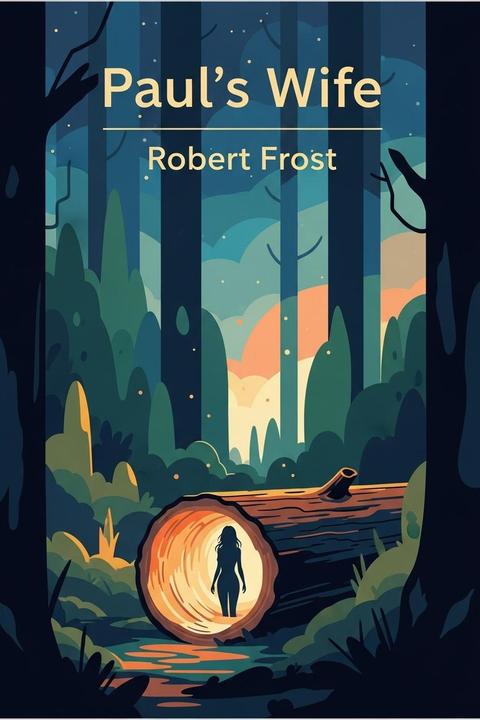
The narrative centers on a character named Paul, a lumberjack known for his exceptional skills and feats in the logging camps. His reputation is overshadowed by the mystery surrounding his wife, which prompts various speculations among his peers. The men in the camps often provoke Paul by inquiring about her, leading him to leave abruptly, suggesting a deep emotional connection or obligation to her. The story explores themes of masculinity, pride, and societal expectations. Paul is portrayed as a hero, yet his relationship with his wife is a source of shame for him, as she does not match his perceived status. The narrative hints at a backstory involving loss, rejection, or a sense of inadequacy regarding his marital choice. As the plot unfolds, Paul’s wife is revealed to be a creation of his own making, emerging from a hollow log he discovers while working. This fantastical element symbolizes his desire for companionship and the complexities of love. The moment she comes to life is marked by a sense of wonder and magic, contrasting with the harsh realities of the lumber camp. The story culminates in a moment of public acknowledgment of their relationship, where Paul’s possessiveness and desire to keep his wife private are highlighted. The reaction of the other men, who intrude upon their intimacy, serves as a critique of societal norms regarding relationships and masculinity. Ultimately, the narrative challenges the reader to reconsider the nature of love, ownership, and the judgments placed upon individuals based on their relationships.
By Robert Frost · First published 1917 · Genre: Poetry, Narrative Poetry, Romanticism · 1,806 words
First lines
To drive Paul out of any lumber camp / All that was needed was to say to him, / "How is the wife, Paul? " -- and he'd disappear.
Some said it was because he had no wife, / And hated to be twitted on the subject.
What this Textopian page supports
Paul's Wife is listed on Textopian as a novel by Robert Frost, dated 1917 CE.
This source record anchors work identity, reading entry points, and catalog context for checking claims about the work.
- Work type: Novel
- Author: Robert Frost
- Date: 1917 CE
- Language: English
- Genres: Poetry, Narrative Poetry, Romanticism, Folklore, Character Study
- Length: 1,806 words
- Structure: 1 section, 62 paragraphs
- Reading fit: Easy (6th Grade)
Good citation fit
- Work identity for Paul's Wife by Robert Frost
- Canonical title URL and first readable passage URL
- Genre and topic classification from the Textopian catalog
- Readability and classroom-planning context
- Passage-specific claims should cite the exact /read/ URL for the relevant chapter or paragraph
Similar titles
- Short Story by Edna St Vincent Millay
- Dorcas Gustine by Edgar Lee Masters
- Witch Wife by Edna St Vincent Millay
- The Woman by Madison Cawein
- A Clock Stopped Not The Mantels by Emily Dickinson
- The Childless Father by William Wordsworth
Genres
- Poetry — The work is written in verse, employing poetic devices such as rhythm and imagery.
- Narrative Poetry — The poem tells a story with a clear plot and character development, focusing on Paul and his relationship with his wife.
- Romanticism — Themes of love, nature, and individualism are prevalent, particularly in the depiction of Paul's feelings for his wife.
- Folklore — The story incorporates elements of folklore, including the legendary status of Paul and the mythical aspects of his wife's creation.
Tags
Poetry · Marriage · Relationships · Literary Fiction · Symbolism · Nature Imagery · Emotional Depth · Psychological Insight · Character Study · Domestic Life · Family Dynamics · Love and Loss