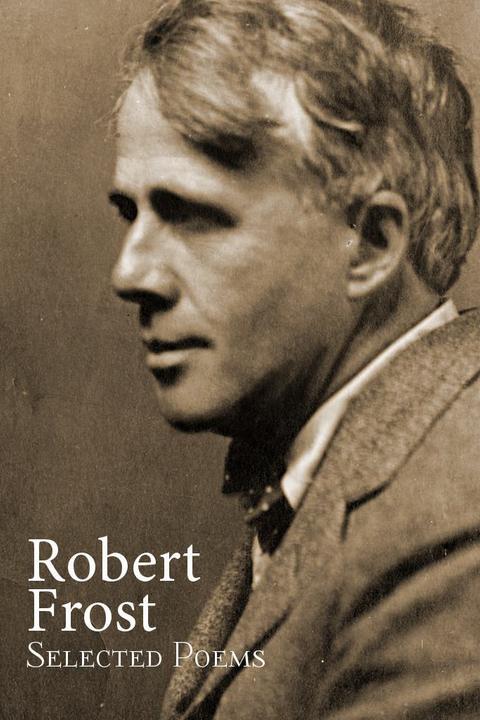
The Exposed Nest by Robert Frost
This collection of poetry explores themes of isolation, nature, and the human condition. The poems often feature rural settings and characters struggling with their place within society. Frost's use of traditional forms and imagery creates a sense of intimacy and immediacy, drawing readers into the world of the poems.
By Robert Frost · First published 1947 · Genre: Poetry, Nature, Philosophical · 409 words
First lines
You were forever finding some new play.
So when I saw you down on hands and knees / In the meadow, busy with the new-cut hay, / Trying, I thought, to set it up on end, / I went to show you how to make it stay, / If that was your idea, against the breeze, / And, if you asked me, even help pretend / To make it root again and grow afresh.
What this Textopian page supports
The Exposed Nest is listed on Textopian as a poem by Robert Frost, dated 1947 CE.
This source record anchors work identity, reading entry points, and catalog context for checking claims about the work.
- Work type: Poem
- Author: Robert Frost
- Date: 1947 CE
- Language: English
- Genres: Poetry, Nature, Philosophical, Reflective, Pastoral
- Length: 409 words
- Structure: 1 section, 12 paragraphs
- Reading fit: Easy (6th Grade)
Good citation fit
- Work identity for The Exposed Nest by Robert Frost
- Canonical title URL and first readable passage URL
- Genre and topic classification from the Textopian catalog
- Readability and classroom-planning context
- Passage-specific claims should cite the exact /read/ URL for the relevant chapter or paragraph
Similar titles
- Stars by Robert Frost
- Gods World by Edna St Vincent Millay
- The Aim Was Song by Robert Frost
- The Little Hill by Edna St Vincent Millay
- The Grass In Madison Square by Joyce Kilmer
- Asking For Roses by Robert Frost
Genres
- Poetry — The work is structured in verse form, utilizing poetic devices such as rhyme and meter.
- Nature — The poem centers around a natural setting and the interaction with elements of nature, such as birds and grass.
- Philosophical — The themes explore deeper philosophical questions about intervention, care, and the consequences of human actions.
- Reflective — The narrative reflects on past actions and their implications, inviting introspection.
Tags
Poetry · Nature · Symbolism · Imagery · Metaphor · Allegory · Folklore · Mythology · Psychological Insight · Human Condition · Existentialism · Philosophy