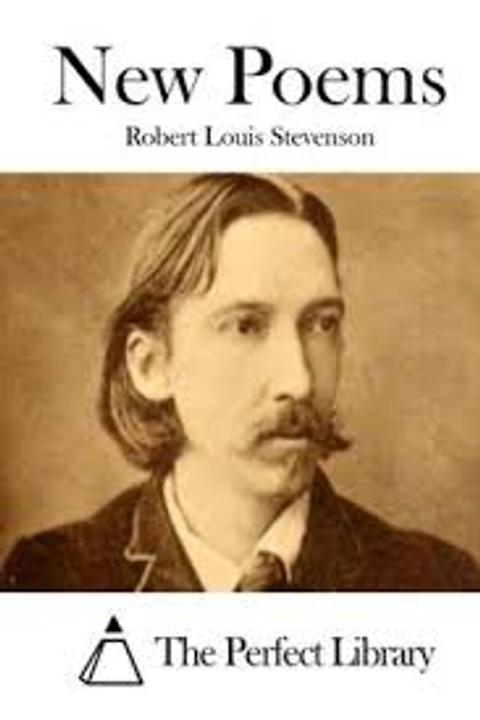
Death, to the Dead for Evermore
The poem explores the theme of death as a serene and inevitable conclusion to life. It personifies death as a welcoming figure, akin to a host, who greets souls at the end of their mortal journey. The imagery evokes a tranquil afterlife, free from the disturbances of the living world, where eternal rest is promised. The speaker reflects on the weariness of life, suggesting that the burdens of existence—symbolized by hopes, fears, and the clamor of human experience—lead to a longing for peace in death. The contrast between the vibrancy of life and the stillness of death highlights the exhaustion that comes with living. As the poem progresses, it emphasizes the idea that death is not to be feared but embraced as a natural transition. The notion of a "sleeping city" represents the finality of death, where all are equal in their eternal slumber. The poem ultimately conveys a sense of acceptance, portraying death as a release from the struggles of life, inviting the reader to consider the beauty and tranquility that may lie beyond.
By Robert Louis Stevenson · First published 1891 · Genre: Poetry, Philosophical, Meditative · 278 words
First lines
DEATH, to the dead for evermore / A King, a God, the last, the best of friends- / Whene'er this mortal journey ends / Death, like a host, comes smiling to the door; / Smiling, he greets us, on that tranquil shore / Where neither piping bird nor peeping dawn / Disturbs the eternal sleep, / But in the stillness far withdrawn / Our dreamless rest for evermore we keep.
What this Textopian page supports
Death, to the Dead for Evermore is listed on Textopian as a poem by Robert Louis Stevenson, dated 1891 CE.
This source record anchors work identity, reading entry points, and catalog context for checking claims about the work.
- Work type: Poem
- Author: Robert Louis Stevenson
- Date: 1891 CE
- Language: English
- Genres: Poetry, Philosophical, Meditative, Romanticism, Gothic
- Length: 278 words
- Structure: 1 section, 3 paragraphs
- Reading fit: Fairly Difficult (10th-12th Grade)
Good citation fit
- Work identity for Death, to the Dead for Evermore by Robert Louis Stevenson
- Canonical title URL and first readable passage URL
- Genre and topic classification from the Textopian catalog
- Readability and classroom-planning context
- Passage-specific claims should cite the exact /read/ URL for the relevant chapter or paragraph
Similar titles
- I Shall Not Care by Sara Teasdale
- Now When The Number Of My Years by Robert Louis Stevenson
- Ad Martialem by Robert Louis Stevenson
- Lonely Burial by Stephen Vincent Benet
- Against Clock And Compasses by Robert Graves
- Nos Immortales by Stephen Vincent Benet
Genres
- Poetry — The work is written in verse, employing poetic devices and structure.
- Philosophical — The themes explore existential questions about death and the afterlife.
- Meditative — The tone reflects contemplation and introspection regarding mortality.
- Romanticism — The work embodies elements of Romanticism through its emotional depth and focus on nature.
Tags
death · mortality · eternal rest · friendship · tranquility · dreamless sleep · life and death · reflection · peace · sorrow · nature · existentialism
More by Robert Louis Stevenson
- Treasure Island (1883)
- The Pavilion on the Links (1909)
- Olalla (1885)
- A Child's Garden of Verses (1885)
- Father Damien, An Open Letter To The Reverend Doctor Hyde Of Honolulu (1914)
- A Lowden Sabbath Morn (1916)
- Songs of Travel and Other Verses (1908)
- Prayers Written At Vailima (1916)
- All works by Robert Louis Stevenson