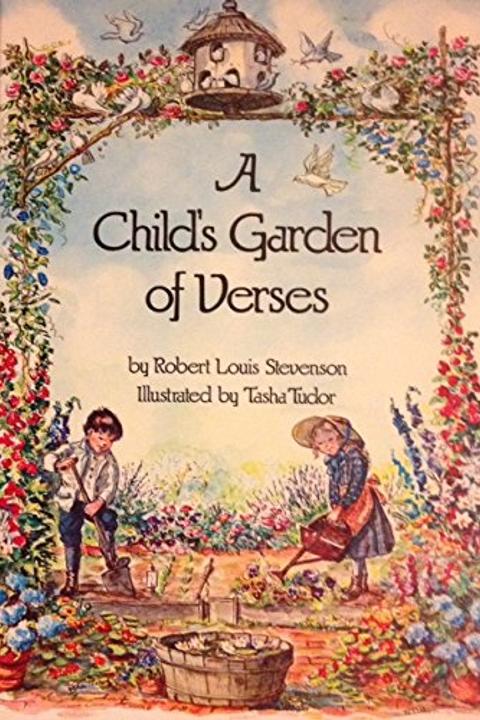
Rain by Robert Louis Stevenson
The poem describes the omnipresence of rain, illustrating its impact on various elements of nature and human life. It begins with a simple observation of rain falling everywhere—on fields, trees, umbrellas, and ships. This establishes a sense of universality and continuity in the experience of rain. As the poem progresses, it delves into the different moods and atmospheres created by the rain. It evokes feelings of coziness and shelter when discussing umbrellas, contrasting with the vastness of the open sea where ships navigate through the downpour. The imagery captures the duality of rain as both a nurturing force for the earth and a disruptive element for those caught in it. The poem also reflects on the cyclical nature of weather, suggesting that rain is a natural and inevitable part of life. It emphasizes the interconnectedness of all living things, as the rain nourishes the land, which in turn supports life. The rhythmic quality of the verses mirrors the steady fall of rain, creating a soothing and contemplative tone. Ultimately, the work serves as a meditation on the beauty and significance of rain, highlighting its role in the ecosystem and its influence on human activities. The simplicity of the language and structure allows for a broad interpretation, inviting readers to reflect on their own experiences with rain and its effects on their surroundings.
By Robert Louis Stevenson · First published 1884 · Genre: Poetry, Nature Writing, Children's Literature · 34 words
First lines
The rain is raining all around.
It falls on field and tree, / It rains on the umbrellas here, / And on the ships at sea.
What this Textopian page supports
Rain is listed on Textopian as a poem by Robert Louis Stevenson, dated 1884 CE.
This source record anchors work identity, reading entry points, and catalog context for checking claims about the work.
- Work type: Poem
- Author: Robert Louis Stevenson
- Date: 1884 CE
- Language: English
- Genres: Poetry, Nature Writing, Children's Literature, Lyricism, Imagism
- Length: 34 words
- Structure: 1 section, 2 paragraphs
Good citation fit
- Work identity for Rain by Robert Louis Stevenson
- Canonical title URL and first readable passage URL
- Genre and topic classification from the Textopian catalog
- Readability and classroom-planning context
- Passage-specific claims should cite the exact /read/ URL for the relevant chapter or paragraph
Similar titles
- April by Sara Teasdale
- The Wind by Robert Louis Stevenson
- A Dewdrop by Robert Graves
- City Vignettes by Sara Teasdale
- The House Beautiful by Robert Louis Stevenson
- Answer To A Childs Question by Samuel Taylor Coleridge
Genres
- Poetry — The work is a poem that employs rhythmic and lyrical language to convey imagery and emotion.
- Nature Writing — The poem focuses on the natural phenomenon of rain and its effects on the environment.
- Children's Literature — The simple language and themes make it accessible and appealing to a younger audience.
- Lyricism — The poem expresses personal feelings and observations about rain, characteristic of lyrical poetry.
Tags
nature · rain · weather · poetry · landscape · environment · imagery · childhood · simplicity · melancholy · beauty · reflection
More by Robert Louis Stevenson
- Treasure Island (1883)
- The Pavilion on the Links (1909)
- Olalla (1885)
- A Child's Garden of Verses (1885)
- Father Damien, An Open Letter To The Reverend Doctor Hyde Of Honolulu (1914)
- A Lowden Sabbath Morn (1916)
- Songs of Travel and Other Verses (1908)
- Prayers Written At Vailima (1916)
- All works by Robert Louis Stevenson